Taiwan’s National Museum of History in Wanhua District was built over a former Japanese guest house and was later expanded to its current size to include six floors. It was also recently renovated, including a large exhibit on the historical significance of the building itself, but it also includes many artifacts and art exhibits.
🏯 Planning your trip to Taipei? 🏮
Here are some top travel tips for you:
- You can buy tickets to the museum for a discount on Klook here
- How to get there: Taiwan High Speed Railway and Inter-City Bus
- Best places to stay: Yuanshan Grand Hotel or Fu Chang Hotel
- Book tours and activities in Taipei on Klook
- Stay connected with a local SIM
- Rent a car to explore distant sights
Historical Background:
The National Museum of History (often called the History Museum) is a public museum located in the Nanhai Academy area of Taipei. Originally founded in 1956 as the National Museum of Historical Artifacts and Fine Arts, it was the first public museum established by the government of the Republic of China after relocating to Taiwan. Some of its earliest collections came from the former Henan Museum. The museum occupies a site originally built in 1916 during Japanese rule as the Taiwan Governor-General’s Product Exhibition Hall, which was later remodeled into a traditional Chinese palace-style building. Over the decades, the museum expanded its collections, organized numerous international exhibitions, and collaborated with institutions around the world. Due to limited space and the building’s protected historic status, the museum launched a major renovation project in 2018 that moved offices and storage elsewhere to increase exhibition space. After several years of reconstruction, the museum reopened to the public in February 2024.
Hours:
Closed on Mondays, except National Holidays
Open 10 AM to 6 PM
Price:
80 NT per person.
You can buy tickets at a discount on Klook here.
Where to stay:
We recommend Fullon Hotel, which has locations in Tamsui and Fulong near the beach (book on Booking.com here, Tripadvisor here, Agoda here, or Hotels.com here).
We have stayed at and recommend Gold Mountain Ranch, which is a horse ranch and glamping destination in Jinshan. You can book a night at Gold Mountain Ranch on Klook here. You can also check out our full blog on the ranch here.
We have also stayed at and recommend Hai Xia Your Home, which is right in front of Fulong Beach (book on Booking.com here, Tripadvisor here, Agoda here, or Hotels.com here).
Activities in Taipei:
There are many activities available to enjoy in Taipei, such as kayaking, canoeing, snorkeling, SUP / paddle boarding, water biking, and more activities which you can book on Klook here or KKday here.
How to get there:
By Car/Scooter: The museum is on Nanhai Road behind Taipei Botanical Garden in Taipei. The museum will be on the north side of the road and is hard to miss. There is limited paid parking nearby.
Looking for scooter rental in Taipei? You can search on Klook here or KKday here to search for options. You can also check out our scooter rental guide here.
If you are looking for car rentals, you can also search Qeeq here, Klook here, or KKday here. You can also check out our car rental guide here.
By MRT/Bus: The museum is within walking distance of Chiang Kai-shek Memorial Hall MRT Station. You can also book an MRT travel pass on Klook here.
By Bicycle:
Cycling is the best way to enjoy Taiwan’s landscapes if you have the time and energy. Looking for bicycle rentals in Taiwan? You can use Taiwan’s many Youbike sharing stations, or search for rentals on KKday here, and search for tours on Klook here. You can also check out our Taiwan cycling guide here. You can also book a Sunset Riverside Bike Ride and Historical Tour, 4 Hour Cycling in Taipei, Ultimate 8-Hour Cycling City Tour, or Taipei City Bike Tour with Night Market Experience on TripAdvisor here.
For more information, check out our Taiwan transportation guide here.
Map:
Please see below to see:
Our Journey:
I have been to the National Taiwan Museum of History twice. It was renovated for a really long time, but I was happy when it finally opened up again. The museum is as much a museum of the building itself as it is about Taiwan’s history. You will not find as many artifacts here as in other museums in Taiwan, but this place is still worth visiting.

The sign welcomes you to the museum outside.
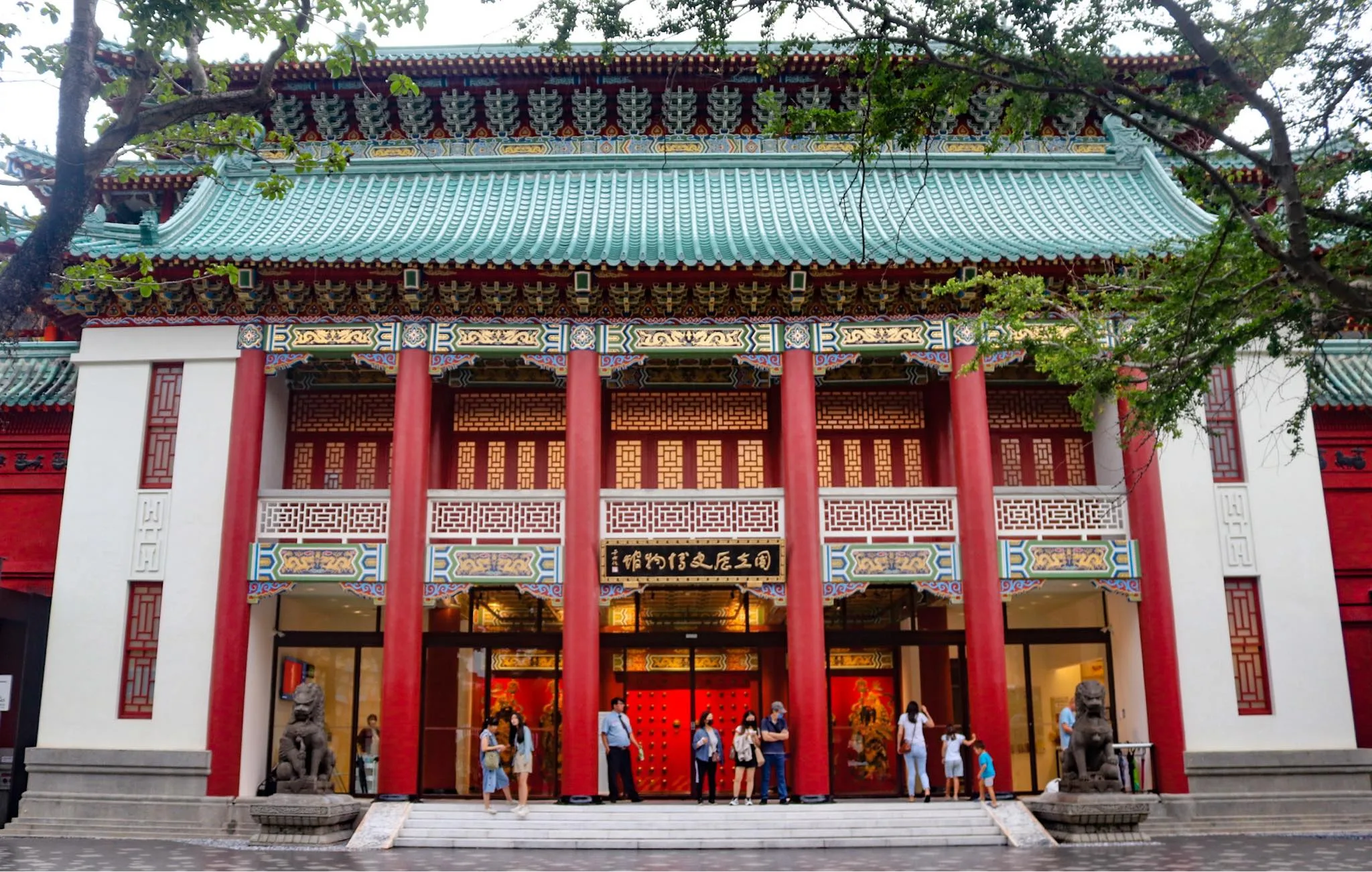
View of the museum from the front.

Another view of the museum from the side. You can tell it is built in the style of traditional Chinese temples, but originally it was a baroque-style Japanese building.

View of the front garden in front of the building.

Another view from the front entrance.

View of the front doors.

Tickets here are 80 NT per person.
You can buy tickets at a discount on Klook here.

We bought four tickets for our family.

Introduction
Our museum bears the important responsibility of promoting culture and contributing to the revitalization of collections. For the inception of the museum, it has garnered attention from numerous esteemed figures in the art world. For instance, Mr. Ma Yin-chu wrote the preface for the museum’s establishment; a masterpiece, a crimson script combined a national treasure. Additionally, the museum has hosted significant exhibitions showcasing the lives and work of outstanding artists, including Yu Jin, Wang Shuqing, Huang Junbi, and Chang Dai-chien’s former residence arranged exhibition in Taiwan; Chang Dai-chien’s home country commemorative exhibition, and a special exhibition honoring Fu Jin-shou’s cultural award. The creations of these exceptional painters and calligraphers opened up new possibilities for future generations; they themselves have become important representatives in Taiwan’s history of ink painting and calligraphy.
This special exhibition presents over 200 selected pieces from the NMH collection, titled Guided into Four Sections: Flourishing Landscape, Vibrant Vitality, Captivating Figures, and The Artist’s Calligraphy and Thought. With this exhibition, we aim to present the outstanding works of these painters and calligraphers, guiding visitors to appreciate their artistic brilliance and experience the profound beauty of painting and calligraphy.

Calligraphy collection at the front.
Taipei Botanical Garden 台北植物園

Behind the museum, you can see the Taipei Botanical Garden. The Taipei Botanical Garden is a large area of trees, bushes, paths, and ponds, and one of the best places for birdwatching in downtown Taipei. It is also an area used for research, conservation, and education. Nearby, you can also find the Nanhai Academy and the National Museum of History. It is definitely worth a visit on your next trip to Taipei…(read more)

More calligraphy on the first floor.

Calligraphy and paintings of a colligrapher.


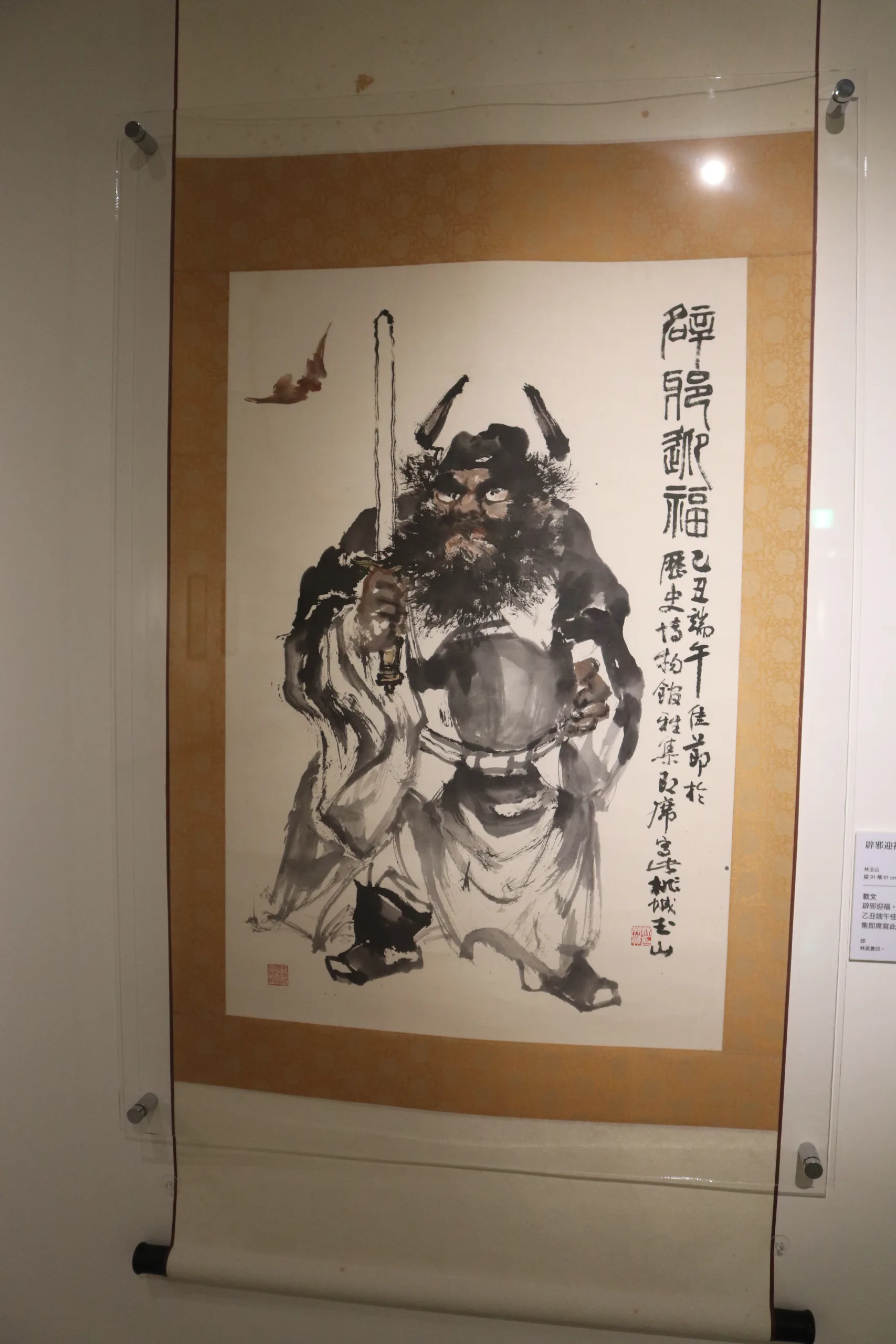
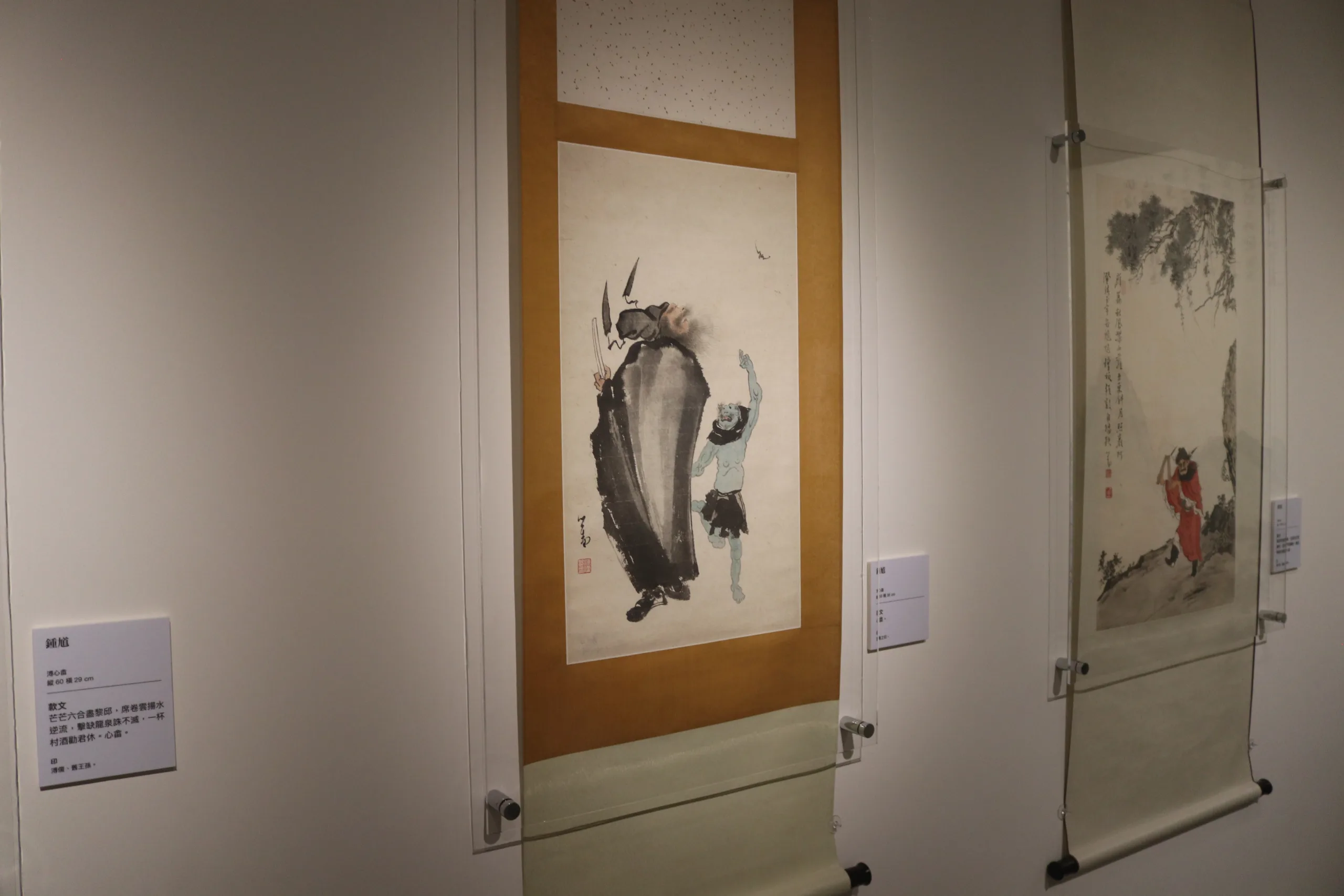


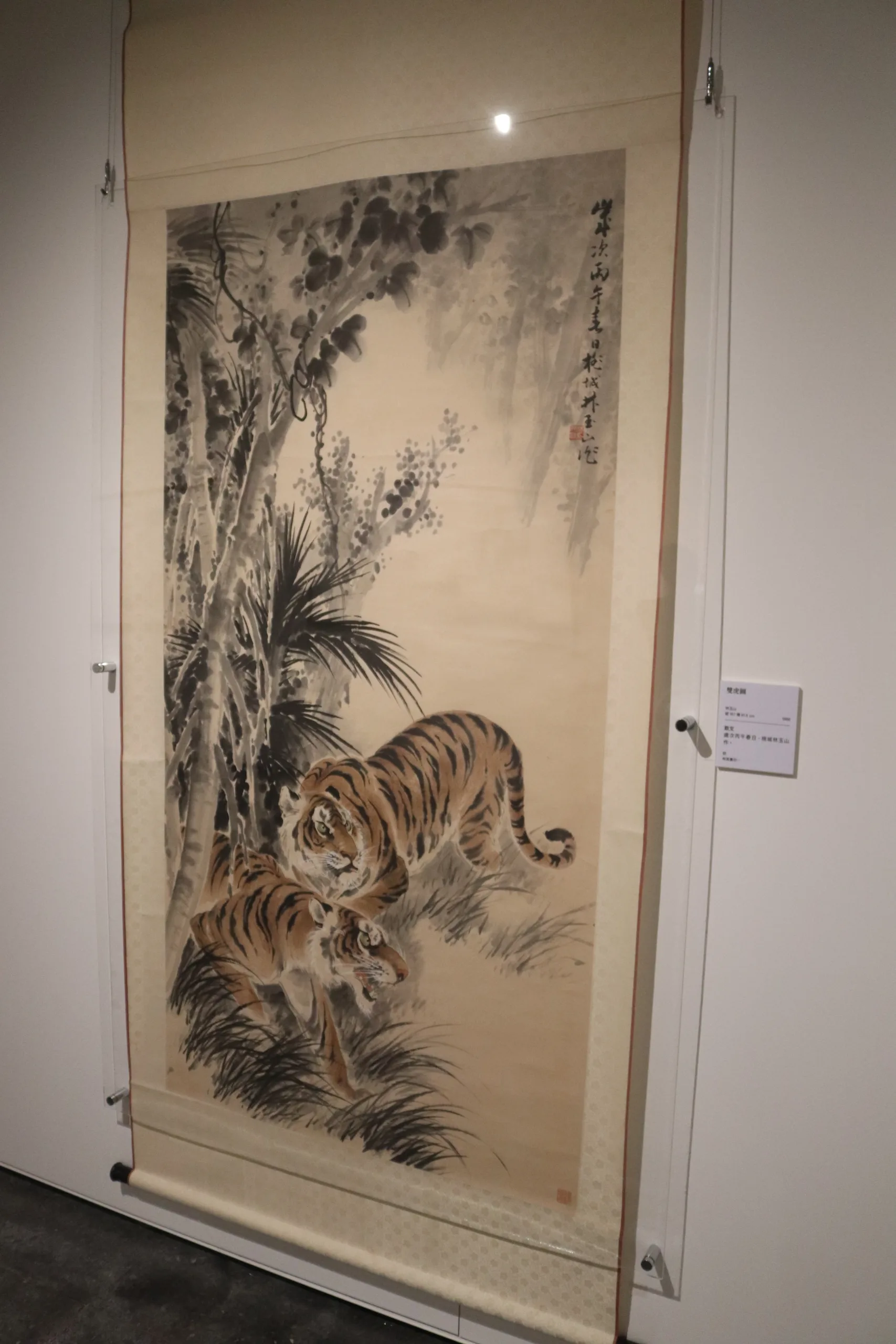
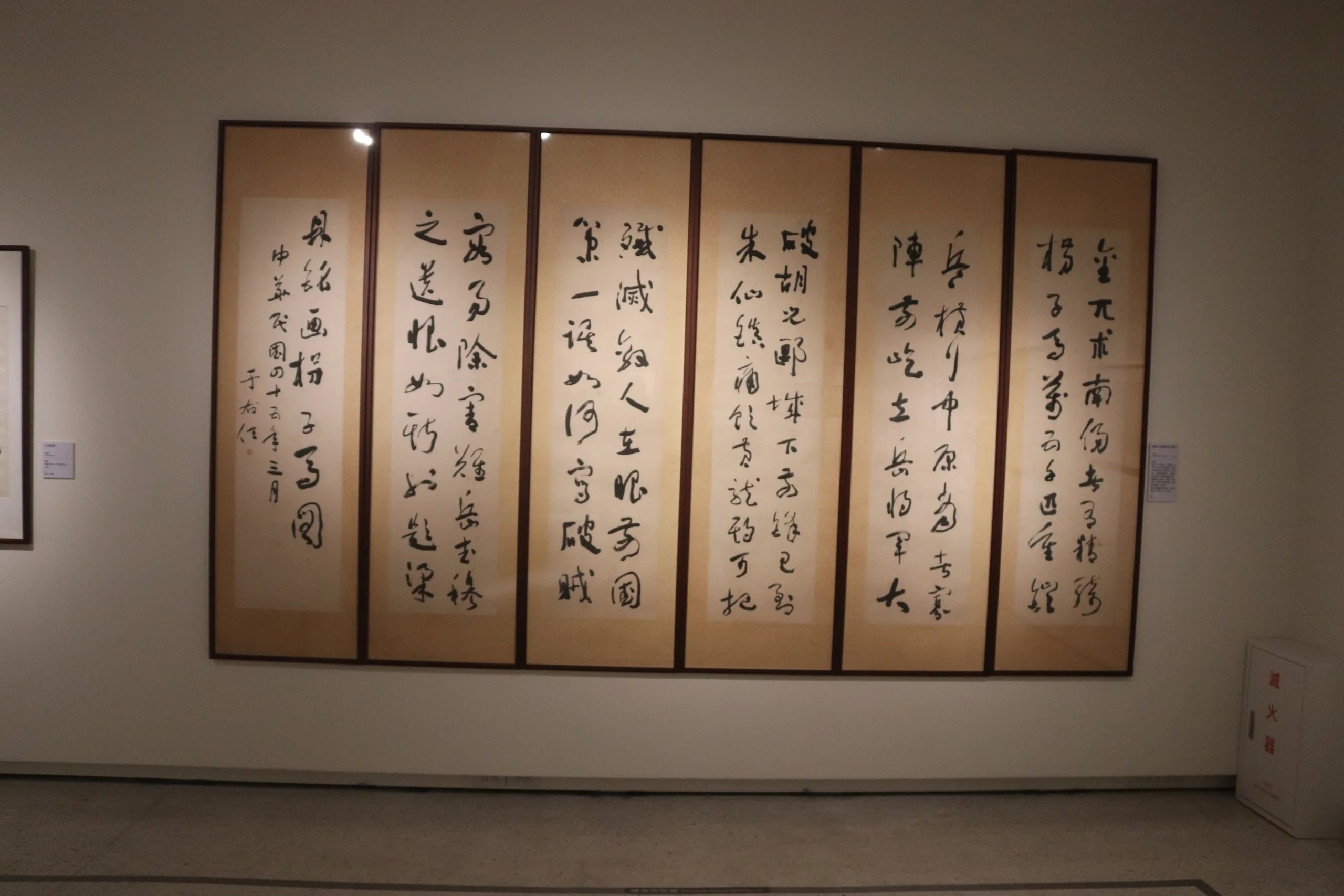

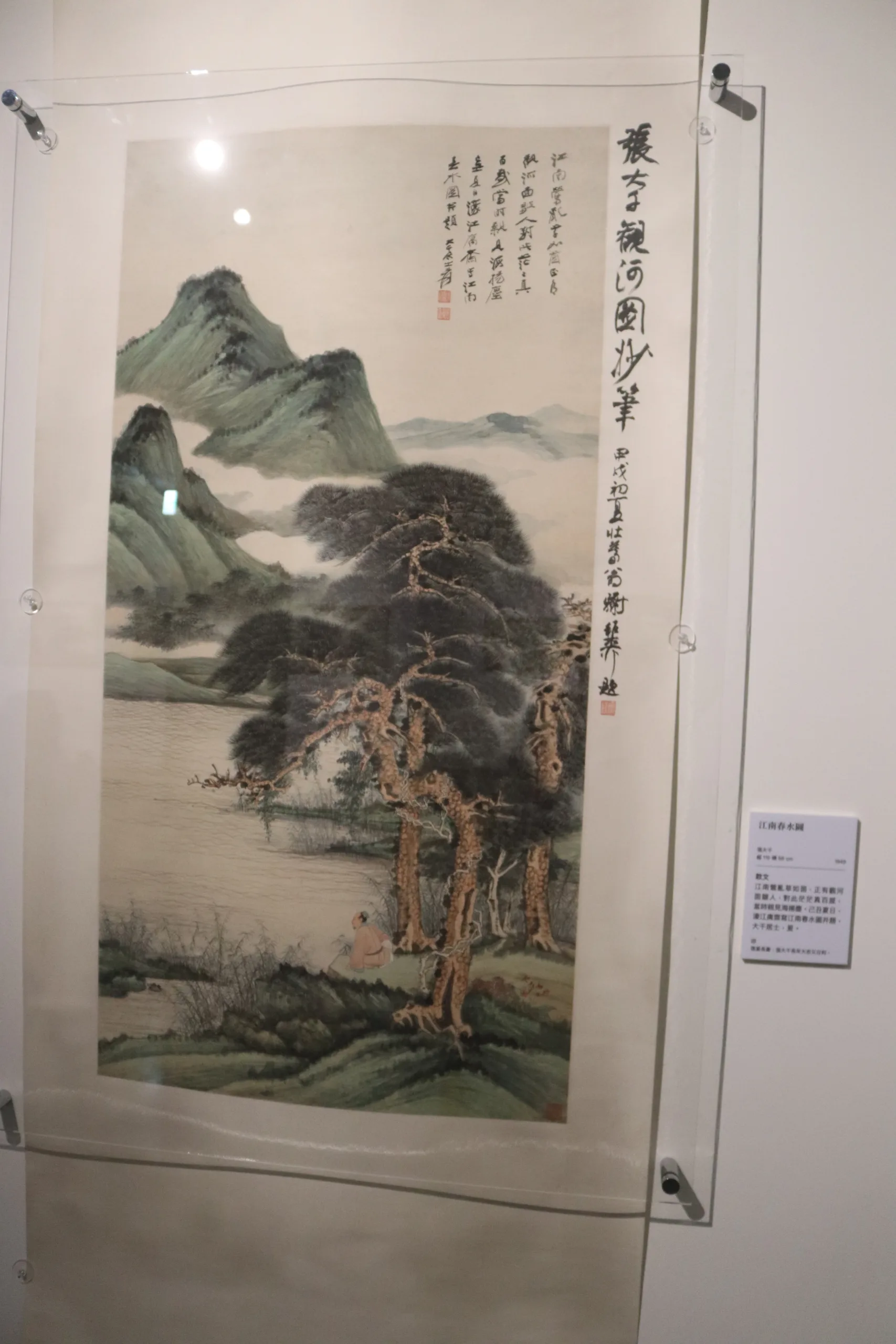
You can check out more calligraphy pieces in the gallery above.

Brick and Mortar of History: Discovering the Beauty of the NMH Building
Founded on December 4, 1955, the National Museum of History (NMH) is the first national museum established in Taiwan after the wars.
The museum’s collection of national treasures and important antiquities, as well as its historical building, and location within the grounds of the Botanical Garden pre-historic remains, together create a diversified cultural asset.
This landmark with red walls and green roof tiles has stood by the lotus pond of the Botanical Garden for many years. The NMH building dates back to the Japanese rule period in Taiwan. Post-war extensions and renovations gradually transformed the museum into the style of Chinese Neo-Classical Style Architecture (also known as the “Palace Style Architecture.”)
This exhibition tracks the evolution of the NMH building’s renovation and examines significant changes and events in the museum’s history. It investigates the architectural characteristics and component details that reveal little-known features in the interior of the building, demonstrating the significance of the museum’s design as a fusion of the old and the new within a hundred years.

There is also a cafe here on the second floor.

You can take a selfie here with a photo of the building.

Original tile used in the Japanese times.

Prolog:
Unexpected Discoveries
The National Museum of History was founded in 1955 as the National Museum of Historical Artifacts and Fine Arts. The museum was housed in a two-story Japanese-style wooden building in the Botanical Garden.
In 2019, the NMH launched its Restoration and Reuse Project. The construction team discovered unexpected architectural elements and styles in the building’s concealed spaces and evidence of previous repairs. To preserve the remnants and features, the project team remained faithful to the protection of historical buildings: they recorded and organized the remnants and features found during the construction process and then compared and verified them one by one using historical documents, images, and videos. The museum decided to modify the renovation designs to preserve and display these materials that witnessed history.

Original basement of the Japanese era building.

The Taipei Botanical Garden and the Archaeological Site
The National Museum of History was first housed in a Japanese-style wooden building within the Taipei Botanical Garden, where it has long been complemented by the lotus pond. Thus, the museum has a long and close relationship with the Botanical Garden.
At the beginning of the Japanese rule of Taiwan, military land near Xiaonanmen was selected for the establishment of a plant nursery for authorities to learn more about the trees in temperate and tropical regions and the predecessors of the Botanical Garden. The plant nursery, which is the predecessor of the Botanical Garden, was later relocated. Around 1900, the Office of the Governor-General of Taiwan purchased around 3.3 hectares of land at the current site of the Botanical Garden. In 1921, the Taipei Plant Nursery was renamed the Taipei Botanical Garden. It is also the birthplace of Taiwan’s first botanical garden, where forestry and botanical resources were first researched.
In prehistoric times, the area around the present-day Botanical Garden was submerged under the waters of the ancient Taipei Lake, which gradually dried up and became land about 7,500 years ago. Human activities appeared around 4,500 years ago, resulting in the area’s prehistoric cultural legacy.
During the early period of Japanese rule, archaeologists discovered the Dapenkeng archaeological site in the Botanical Garden. It is one of the few archaeological sites in Taipei that can be seen as a “condensed history” of human development. Today, prehistoric cultural heritage can be seen in the exhibition areas of the Taipei Botanical Garden Culture, and the Shuangyuan Culture.

“Ehagaki,” a kind of postcard from the Japanese era.

Model of the original Japanese building.

Model of the revamped ROC building in 1960.

An expanded and enlarged building in 1970.

Renovation Project Officially Launched
The NMH devised a strategy to enlarge the museum structure in 1957 in order to accommodate the museum’s needs by extending and merging multiple floors to limited height. The plan carried out the expansion on an axial basis. The north exterior corridor of the museum was removed in 1958, and the Gallery of Painting and Calligraphy and the sculptures display room were added.
1961 marked the beginning of the museum’s extensive exterior renovation. The Natural Gallery’s construction started in January of that year. The east and west wooden wings were demolished first, and then an inner gallery on both sides of the structure was added, connecting to the original gallery by sliding doors. The Natural Gallery’s design is 90 meters long, with wall and inner rows of columns.
Tiles, low palace-style gates and door panels with copper nail decorations were installed in the gallery. Decorated beams and columns are stone reliefs in the style of the Tang Dynasty. Mottled blue, which tell the story of Confucius’s youth through diverse actions. The main entrance and lobby were further altered in 1962, with the removal of the veranda porte cochere and the addition of a two-story, five-room hall with vermilion railings and green tiles, painted on both sides of beams, and a pair of stone lion perched on each side of the entrance.
Following the major remodeling in the 1960s, the museum gradually replaced Japanese features with Chinese elements, resulting in an architectural juxtaposition of Japanese and Chinese Neo-Classical styles.

Here we watched a video about the renovation project and how they fired the roof tiles for the building.

View of the building when it was under construction.
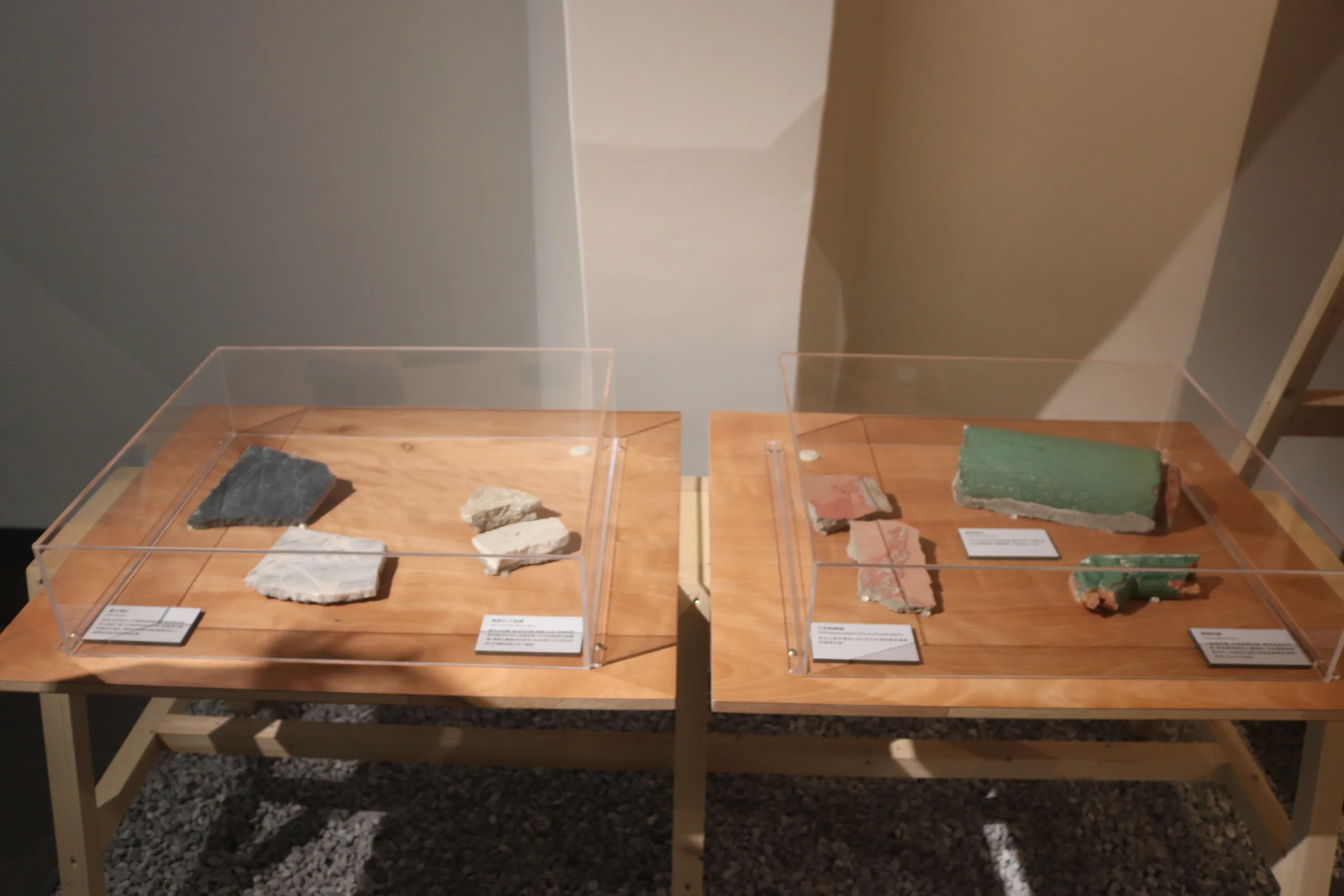
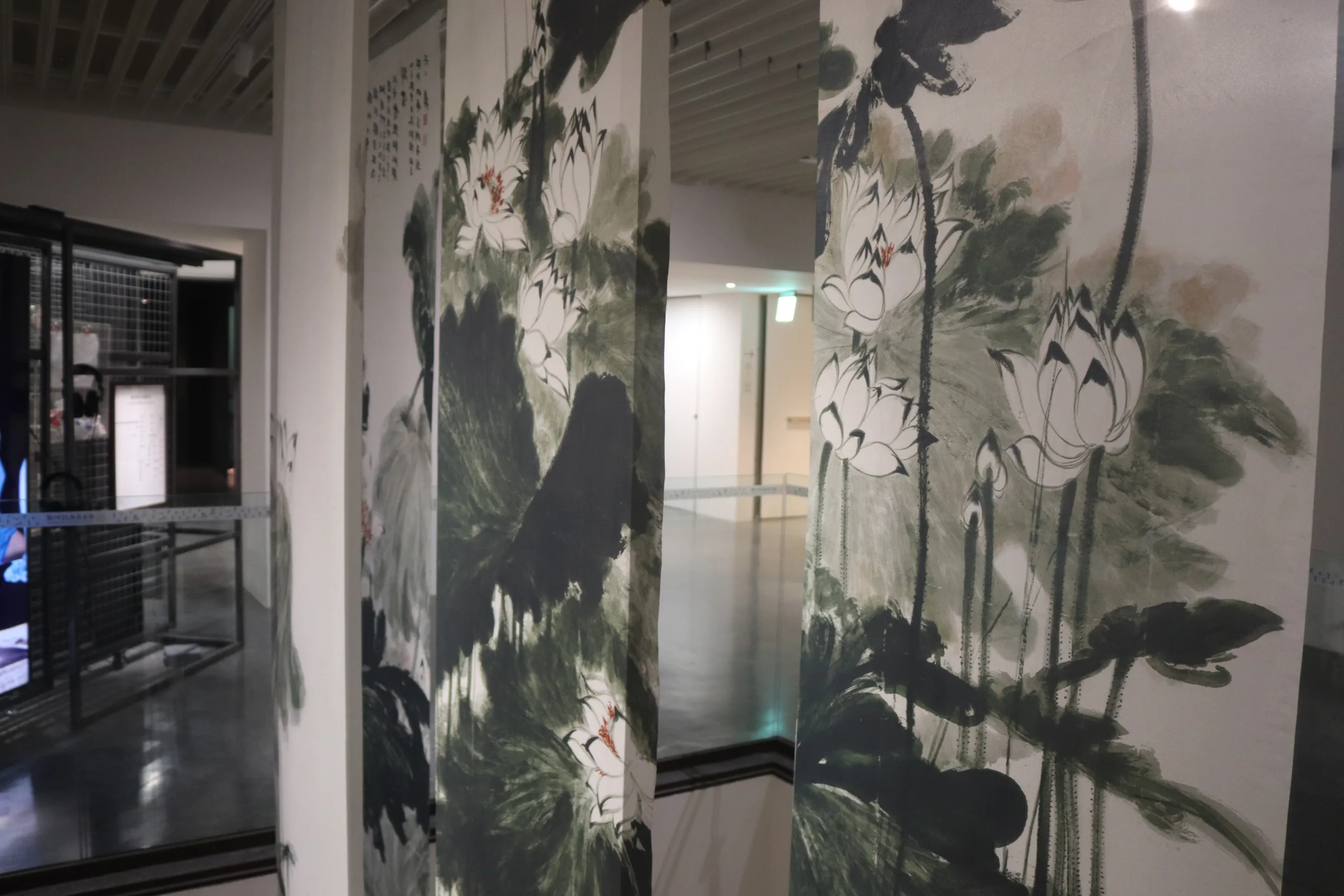
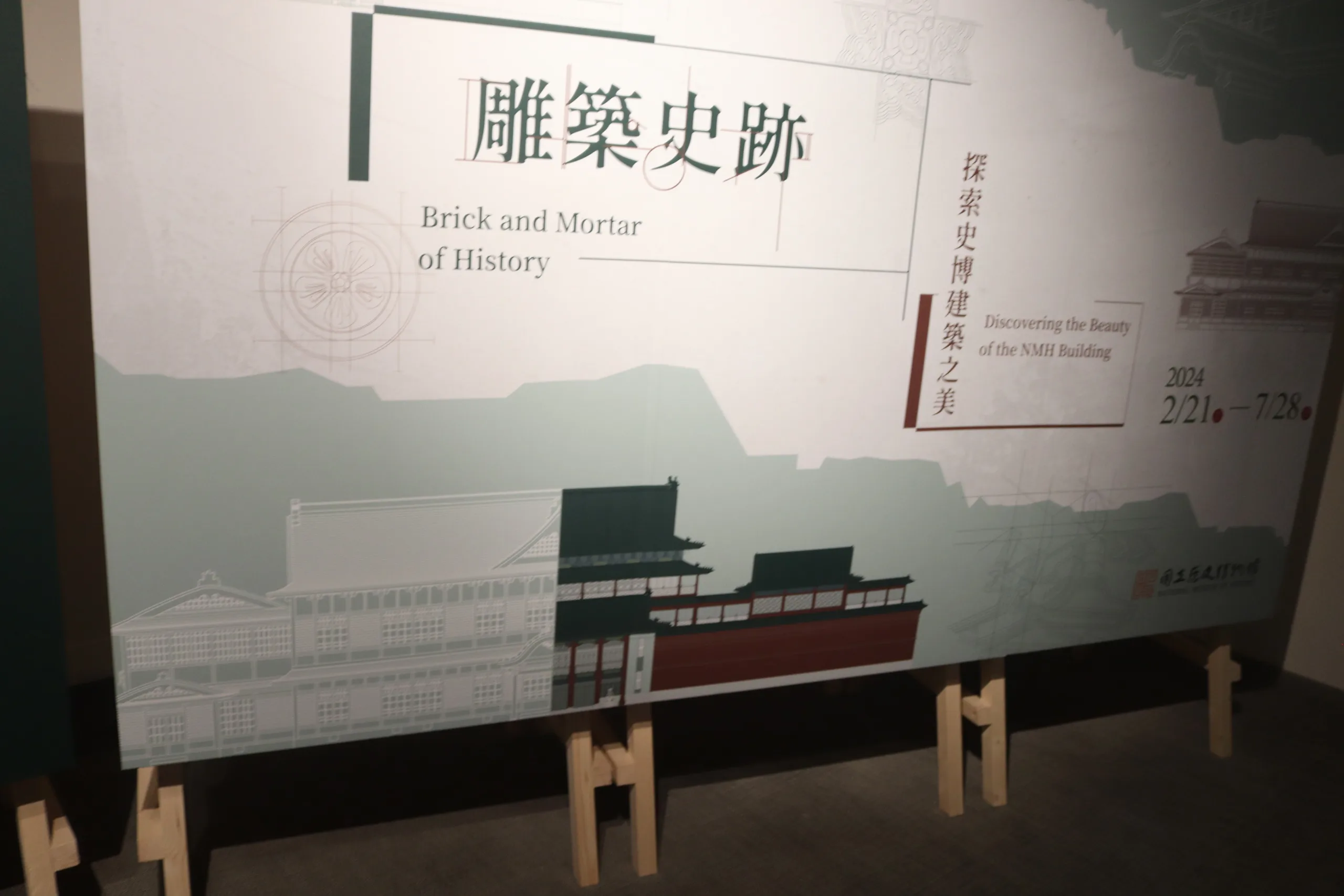


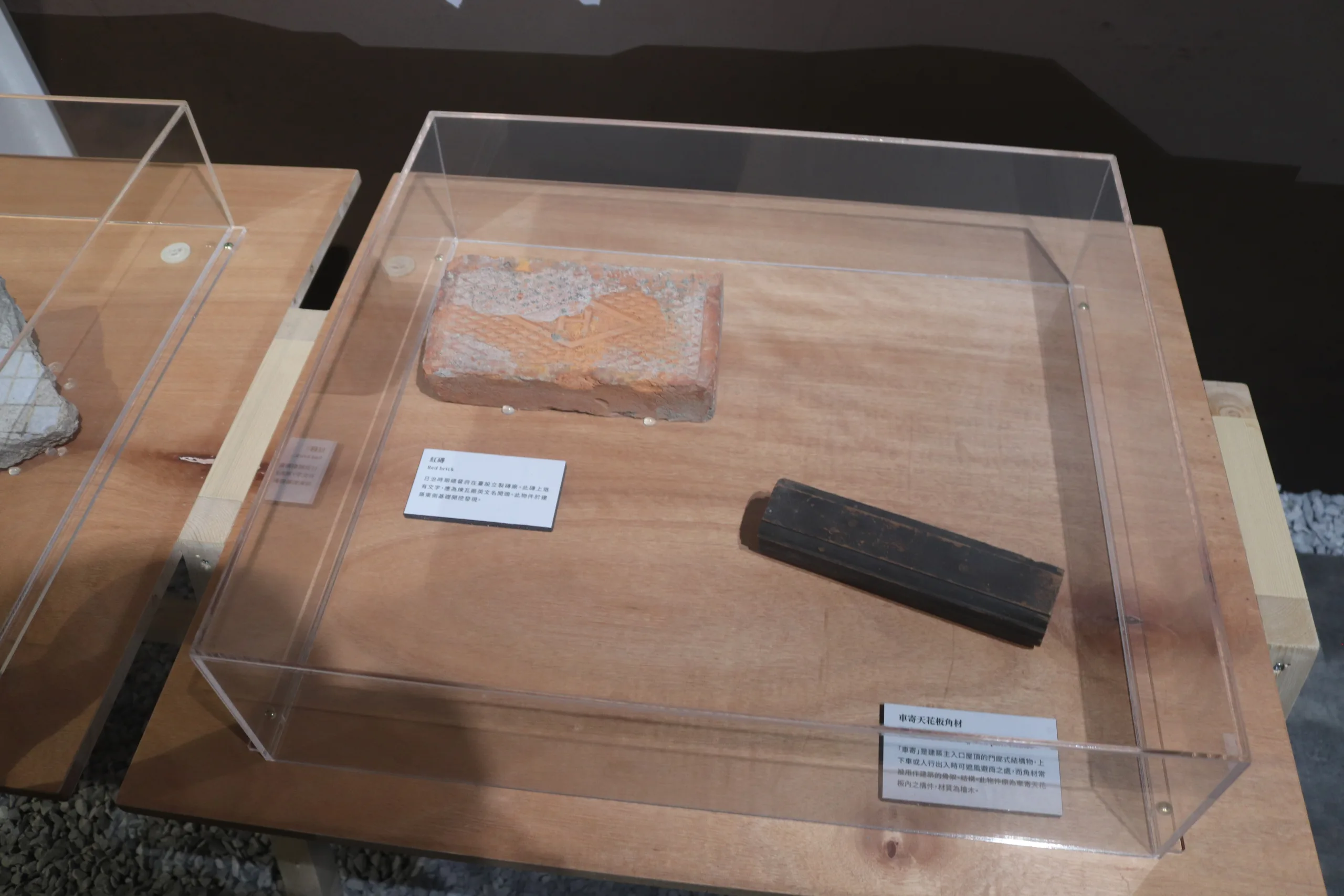

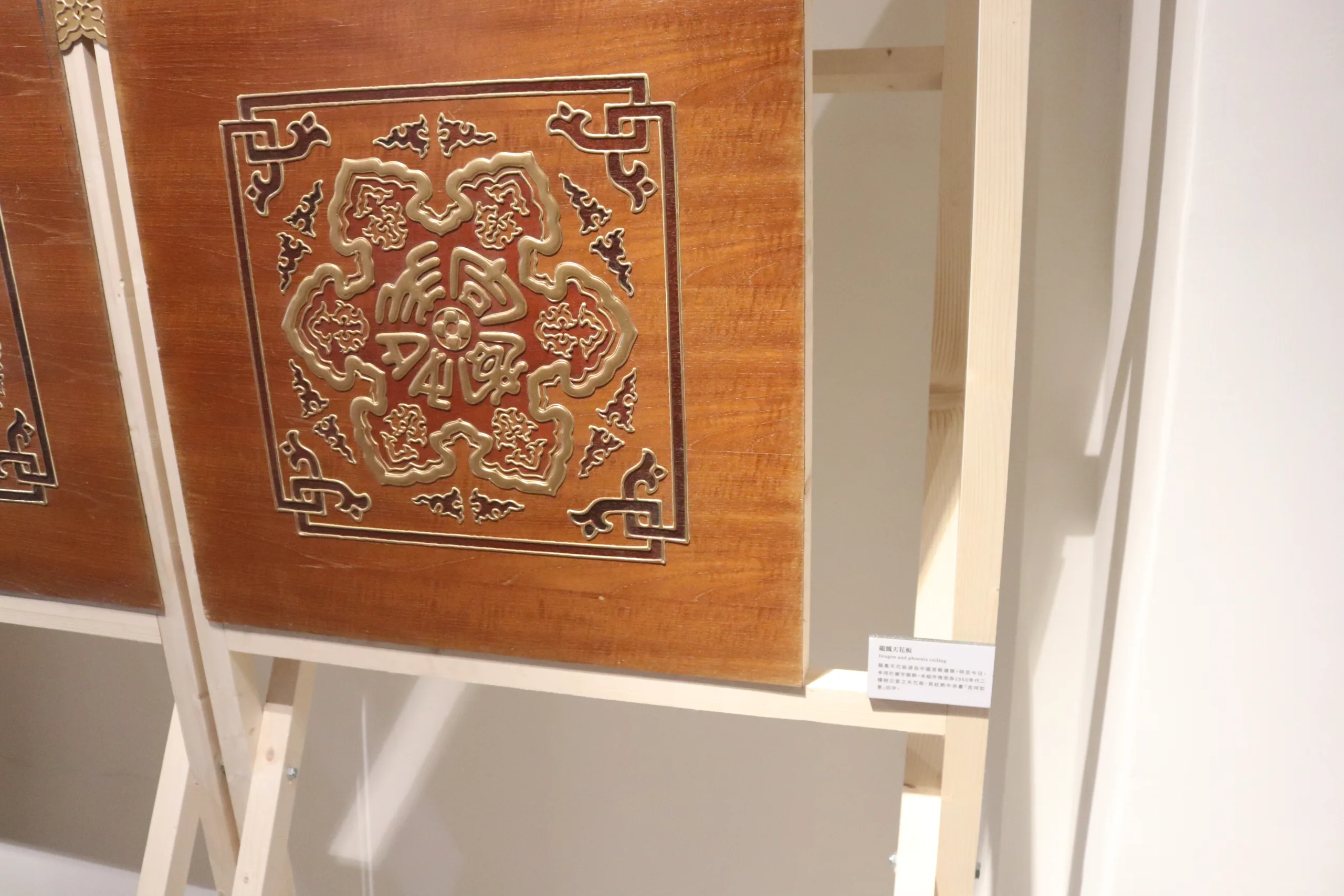
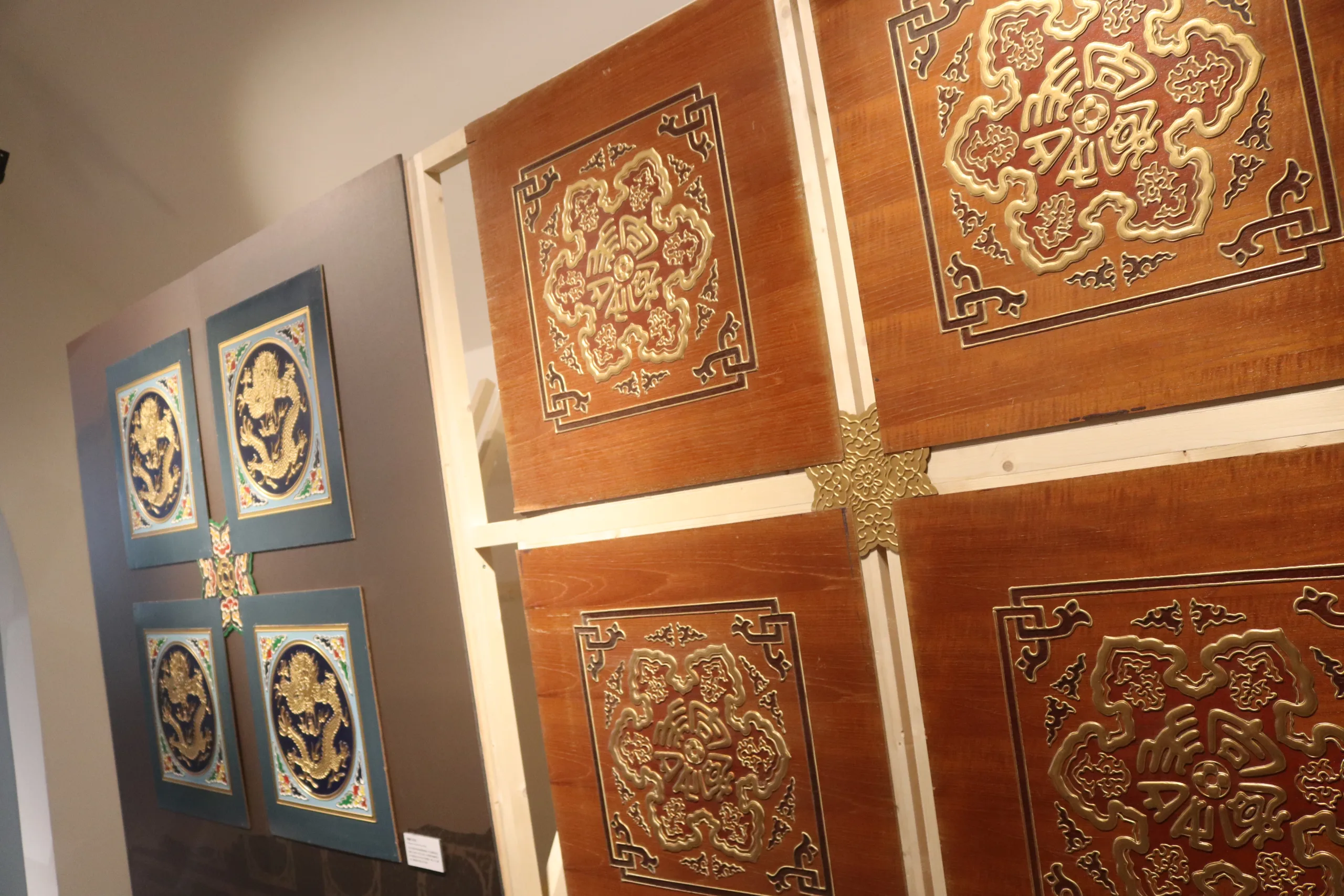
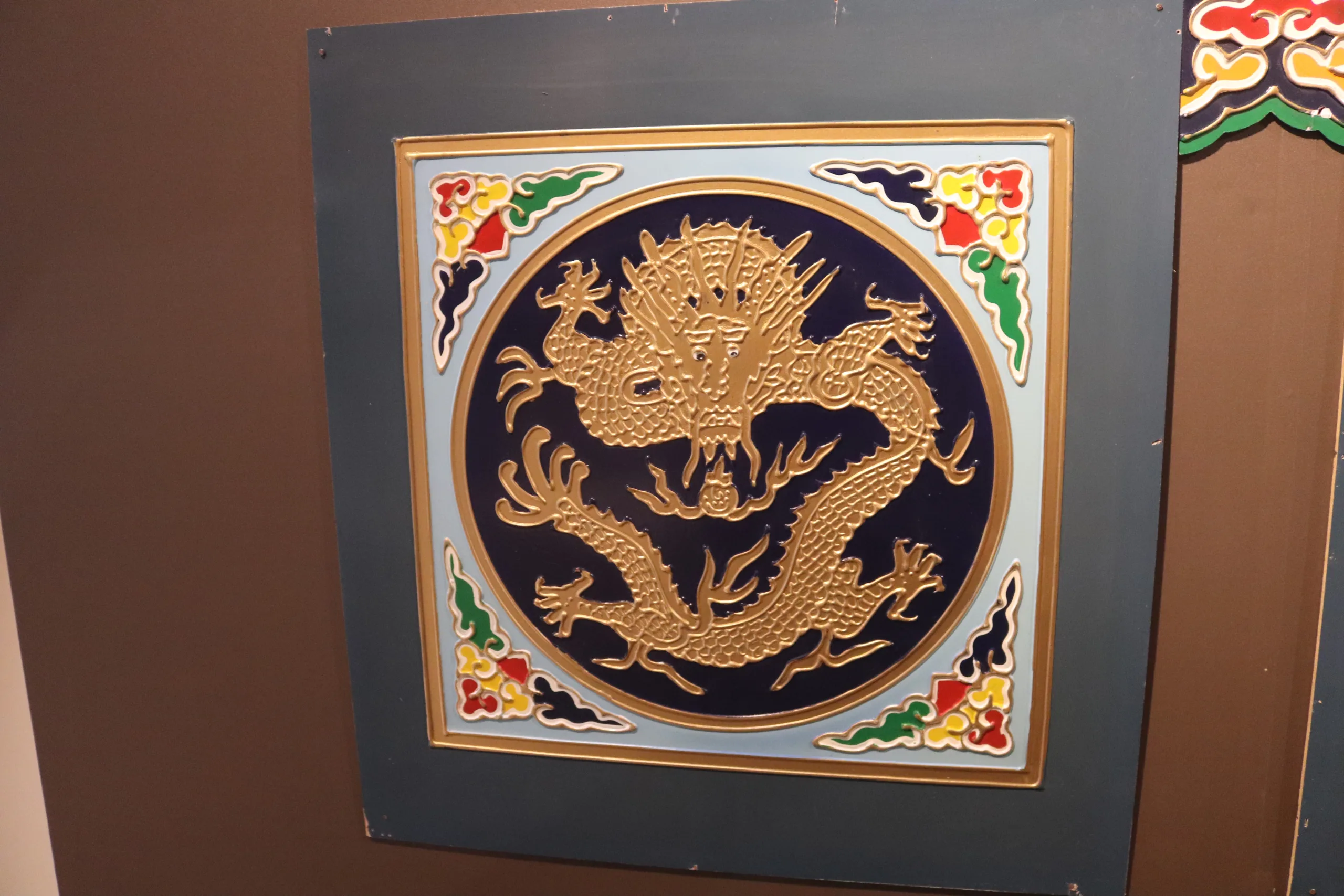
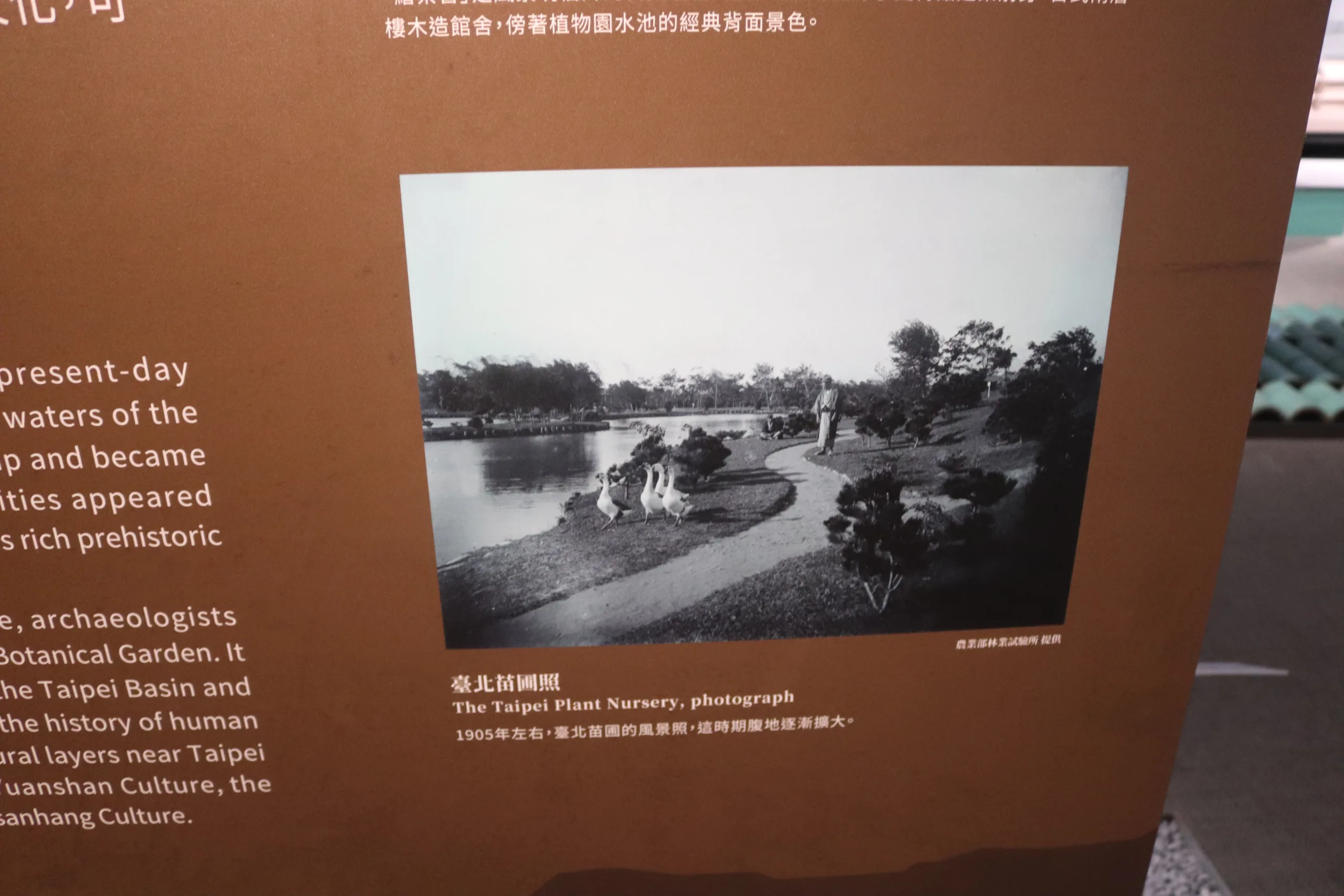
Check out more photos of the renovation exhibit in the gallery above.

There are also some cool Chinese artifacts here that used to be in the National Palace Museum.

Ceramic camel.

Ornate bronze ornament.

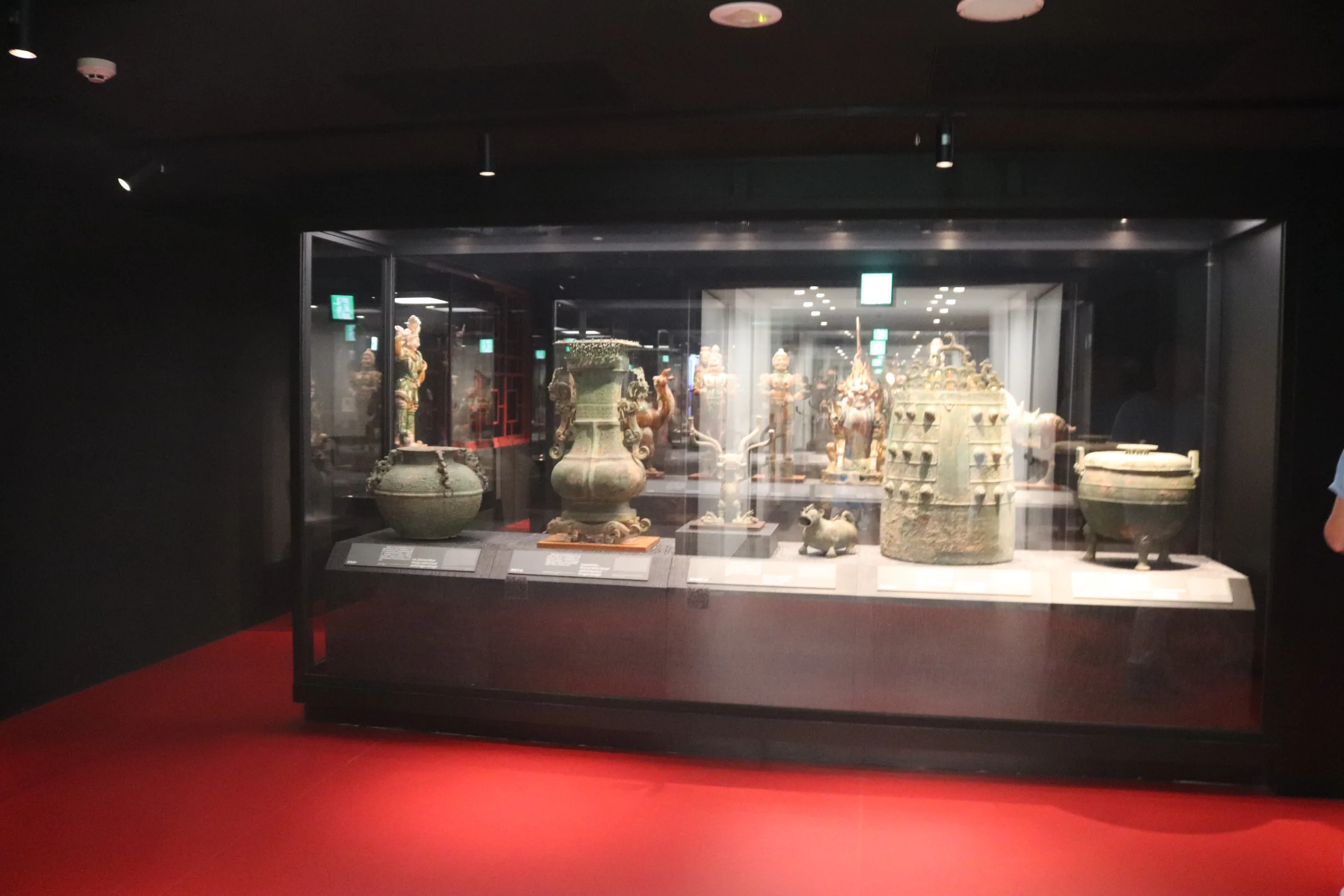


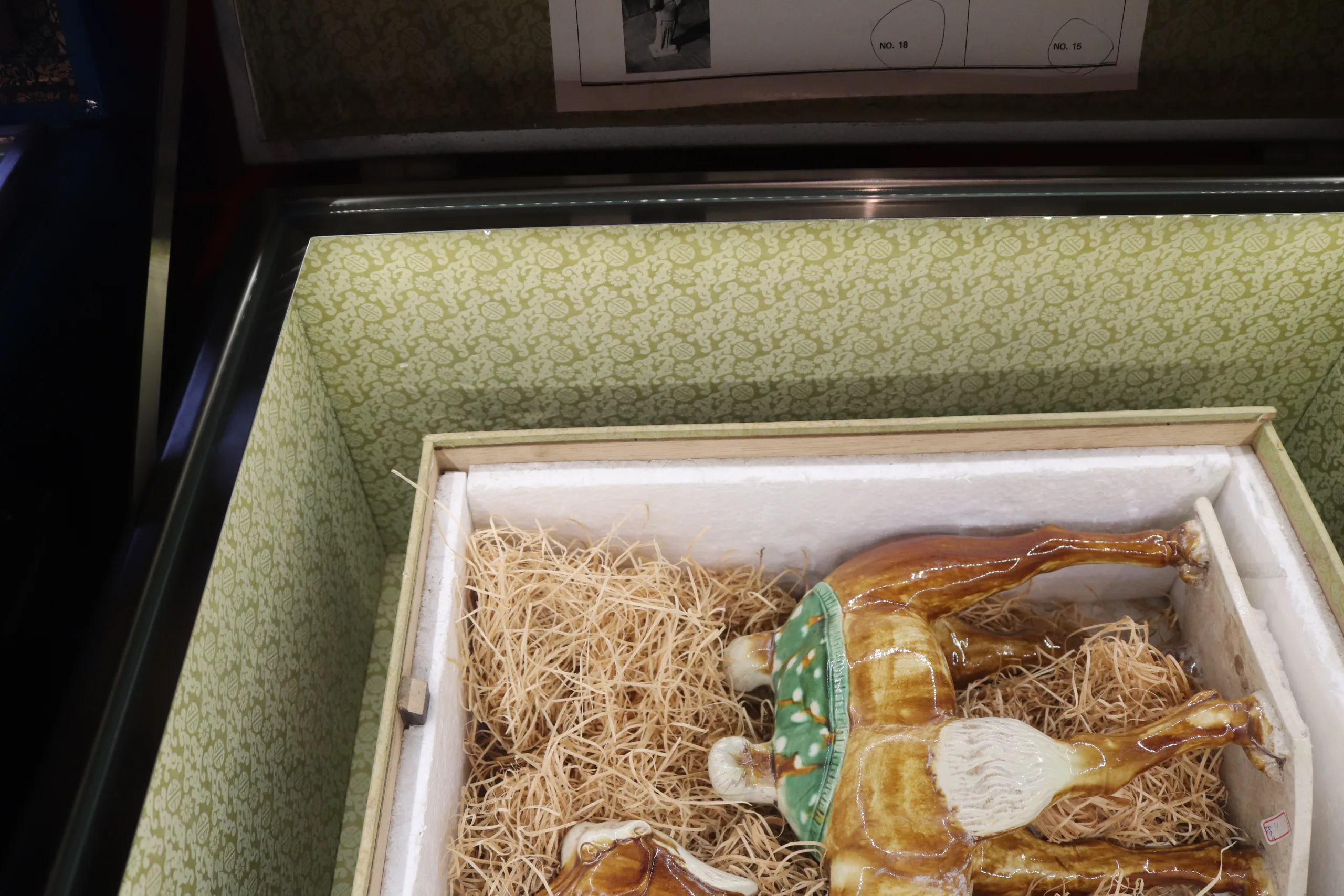


You can check out more artifacts in the Chinese exhibit area above.

I really liked this calligraphy piece because it is very similar to something I have hung on my wall at home.

Gift shop.
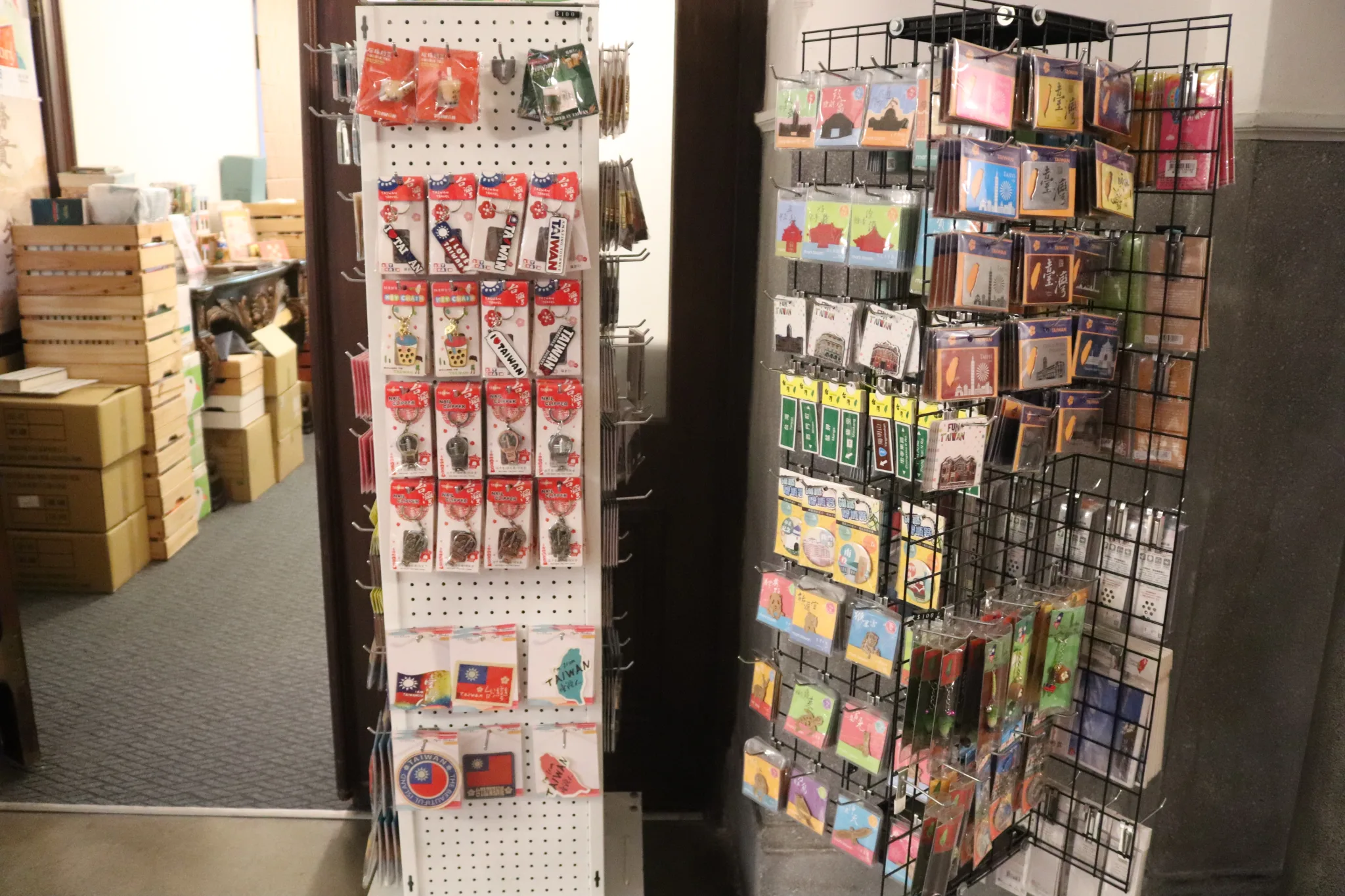
Another view of the gift shop.
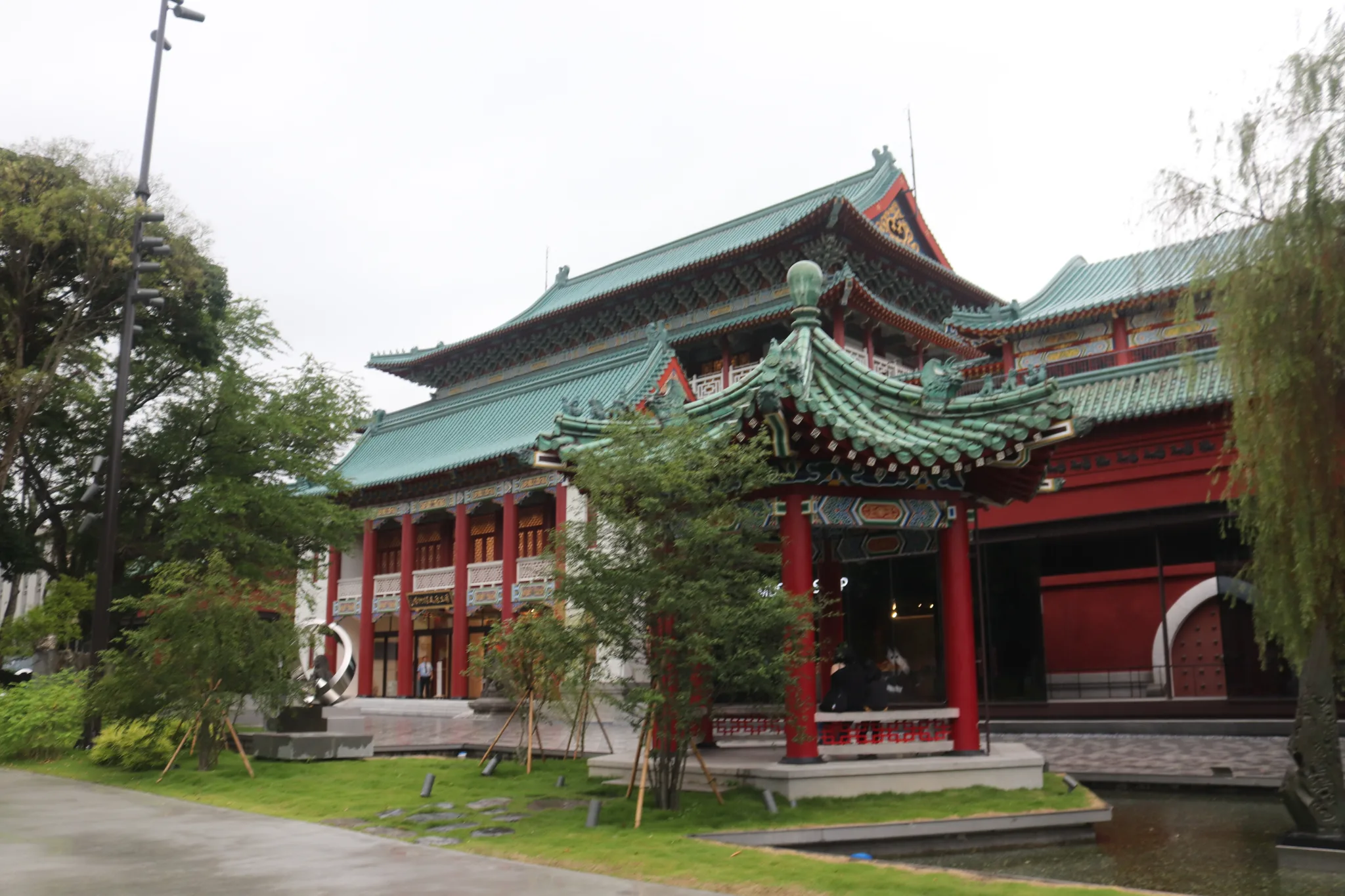
View from outside the main entrance.
Taipei Botanical Garden 台北植物園

The Taipei Botanical Garden is a large area of trees, bushes, paths, and ponds, and one of the best places for birdwatching in downtown Taipei. It is also an area used for research, conservation, and education. Nearby, you can also find the Nanhai Academy and the National Museum of History. It is definitely worth a visit on your next trip to Taipei…(read more)

Lotus flowers in bloom.
Nanhai Academy 南海書院

The Nanhai Academy is a collection of buildings built on a former Shinto shrine in traditional Chinese architecture, not long after the KMT nationalists took control of Taiwan. The area consists of the National Art Education Center, National Music Education Center, Taipei Botanical Garden, and the National Museum of History. Located in downtown Taipei, it is easily accessible, and you can spend an entire afternoon here. It is definitely worth a visit on your next trip to Taipei…(read more)
National Taiwan Craft Research Institute (NTCRI) Taipei Branch 台北當代工藝設計分館
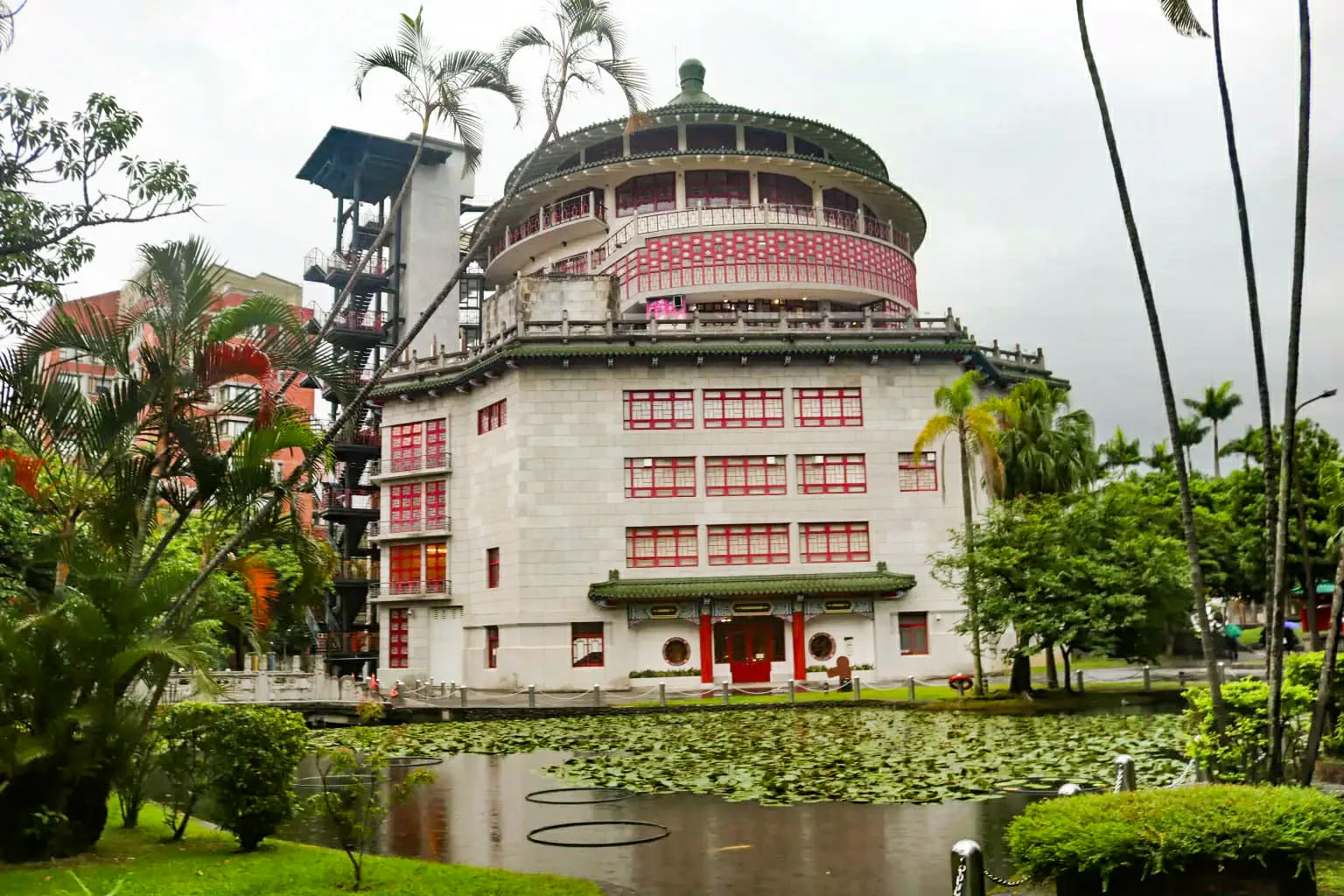
The National Taiwan Craft Research Institute (NTCRI) Taipei Branch 台北當代工藝設計分館 is a free museum that features modern craftmanship in Taiwan, and is meant to inspire the next generation of craftspeople in Taiwan. It is also housed in a beautiful round building reflecting Chinese architecture of the central China plains. It is definitely worth a stop if you are in the area…(read more)

There is also a national educational broadcast radio building here.
Tickets to the museum are 80 NT per person.
You can buy tickets at a discount on Klook here.
Check out our Taipei Museum Guide here.
Check out our full guide to Taipei here.
Check out our full guide to Taiwan here.