
The Hsinchu City Glass Museum is housed in the former Hsinchu State Assembly Hall that dates back to the Japanese Era. Now it houses an amazing collection of art that mainly focuses on glasswork. Next door, there are also opportunities to do some DIY glassmaking. It is definitely worth a stop on your next trip to Hsinchu.
🏯 Planning your trip to Hsinchu? 🪁
Here are some top travel tips for you:
- Best time to visit: Summer when it is warm and less windy
- How to get there: Taiwan High-Speed Railway and Inter-City Bus
- Best place to stay: Golden Motel or CD Motel
- Book tours and activities in Hsinchu on Klook
- Stay connected with a local SIM
- Rent a car to explore distant sights
History of Hsinchu Glass Museum:
The Hsinchu City Glass Museum, located in Hsinchu Park, Taiwan, is dedicated to preserving and promoting the city’s rich history of glassmaking and its development as a center for glass art and industry. The museum is housed in a historic two-story building constructed in 1936 as the Hsinchu State Assembly Hall, which later served various government and military purposes before opening as a glass museum in December 1999. Its collections and exhibitions showcase glass artworks, traditional craftsmanship, and innovative techniques, while educational programs and international collaborations encourage artistic creativity and the advancement of glassmaking. The museum also aims to strengthen Hsinchu’s glass industry, preserve its cultural heritage, and promote the city as an international center for glass art.
Hours:
9 AM to 5 PM, closed Mondays
Price
50 NT per person
Hotels Nearby
Most of the accommodation you will find is near the city center. If you will only visit downtown, you can consider a day trip from Taipei.
We have stayed at and recommend the Golden Motel a high-quality motel near Green Grass Lake (you can book on Agoda here, Booking.com here, Hotels.com here, Expedia here, or Trip.com here), and CD Motel, another high-quality motel in downtown Hsinchu (you can book on Agoda here, Booking.com here, or Trip.com here). Unfortunately, I cannot recommend any further hotels that I have stayed at in Hsinchu because usually we stay at my wife’s uncle’s house.
You can find out where to stay in our Taiwan hotels guide or search for the best hotel deals in Taiwan here.
How to get to Hsinchu?
You can book tickets to travel to Hsinchu via inter-city bus on Klook here.
You can book tickets to Hsinchu via high-speed rail (HSR) on Klook here or KKDay here.
Book tickets via the normal train (TRA) on Klook here.
How to get to the glass museum:
By car/scooter: From central Hsinchu, turn onto Shipin Road, and park near the south side of Hsinchu Park. There is an underground parking lot and paid parking on the side of the road. If you are looking for car rentals in Hsinchu, you can also search Qeeq here, Klook here, or KKDay here. You can also check out our car rental guide here.
Looking for scooter rental in Hsinchu? You can search Klook here or KKday here to look for options. You can also check out our scooter rental guide here.
By TRA: Hsinchu Park is only a ten-minute walk south of Hsinchu TRA station. You can book tickets to travel to Hsinchu via inter-city bus on Klook here. You can book tickets to Hsinchu via high speed rail (HSR) on Klook here or KKDay here. Book tickets via the normal train (TRA) on Klook here.
By Bicycle: Cycling is the best way to enjoy Taiwan’s landscapes if you have the time and energy. Looking for bicycle rentals in Taiwan? You can search on KKday here and Klook here. You can also check out our Taiwan cycling guide here.
Tours:
You can find more tours and activities in Hsinchu such as You can find more tours and activities in Hsinchu such as river tracing, wild hot springs, white water kayaking, backpack rafting, Little Ding Dong Theme Park, Leofoo Village Theme Park, Window on China Theme Park, glamping, camping, stone spa, horse riding, Yukids Island, Tom and Bei Bei Parent-Child Paradise, bee keeping experience, cycling, dried persimmons experience, Jump Wave Trampoline Park and more on Klook here or KKday here.
Map:
Check out the map above.
Our Journey:
I have been to the Glass Museum twice. Make sure to visit on a day that is not Monday, because it is closed. Also get there before 4:30 PM. I was surprised by how large and extensive the glass art collections are in the museum. It is definitley worth a stop if you are interested in glass.
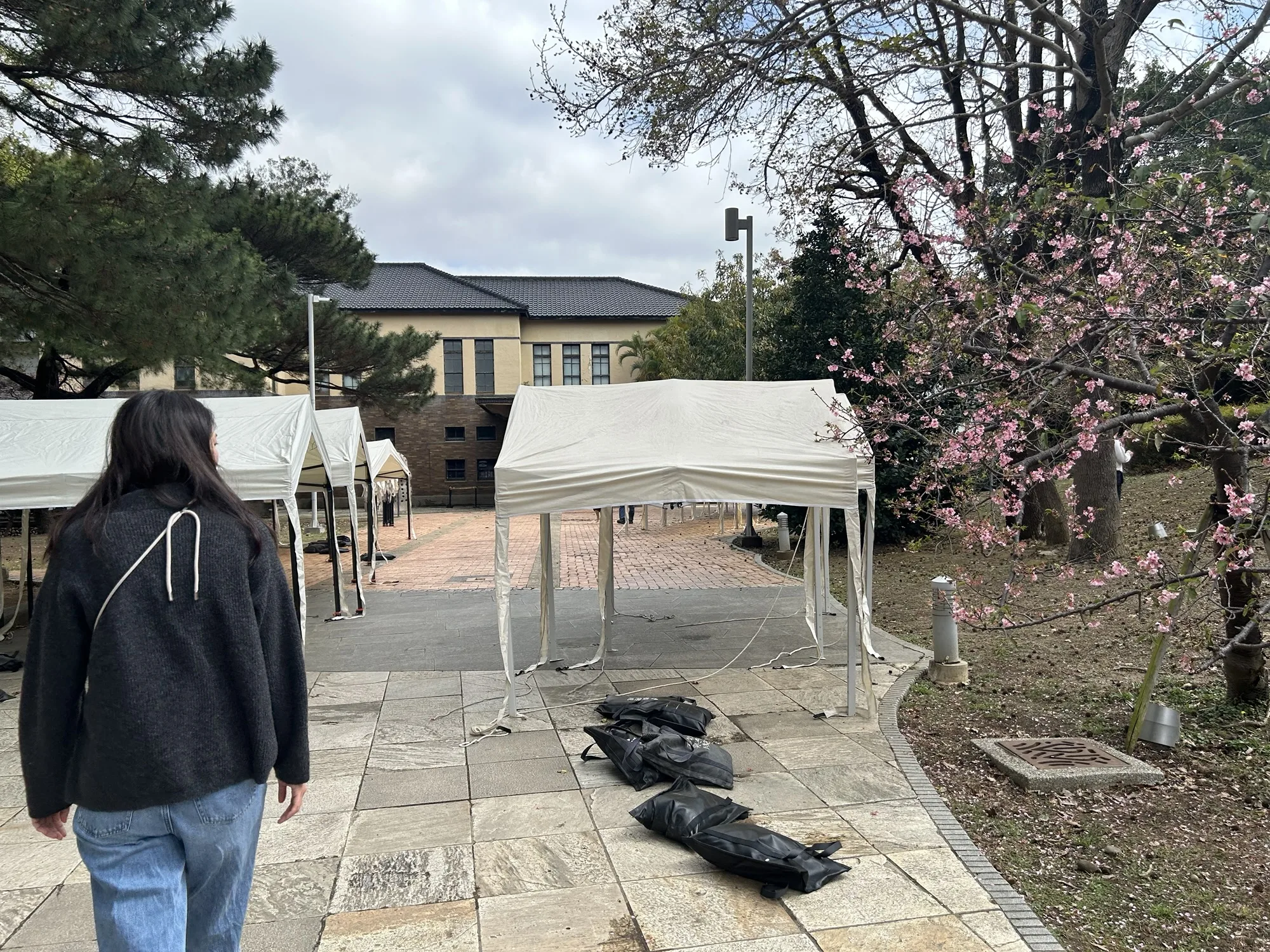
When we visited, there were still lots of Cherry Blossoms around to see.
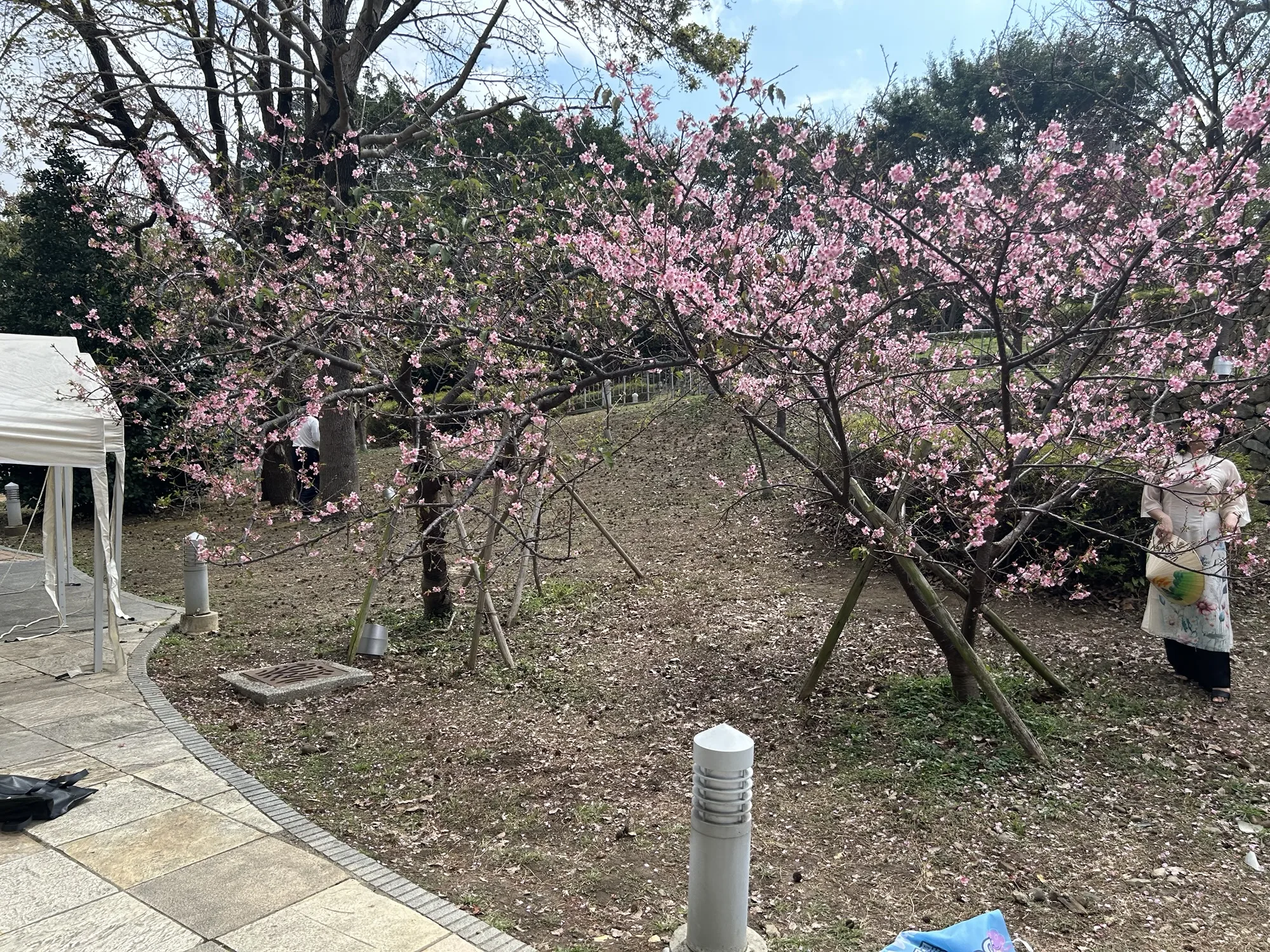
More Cherry Blossoms.
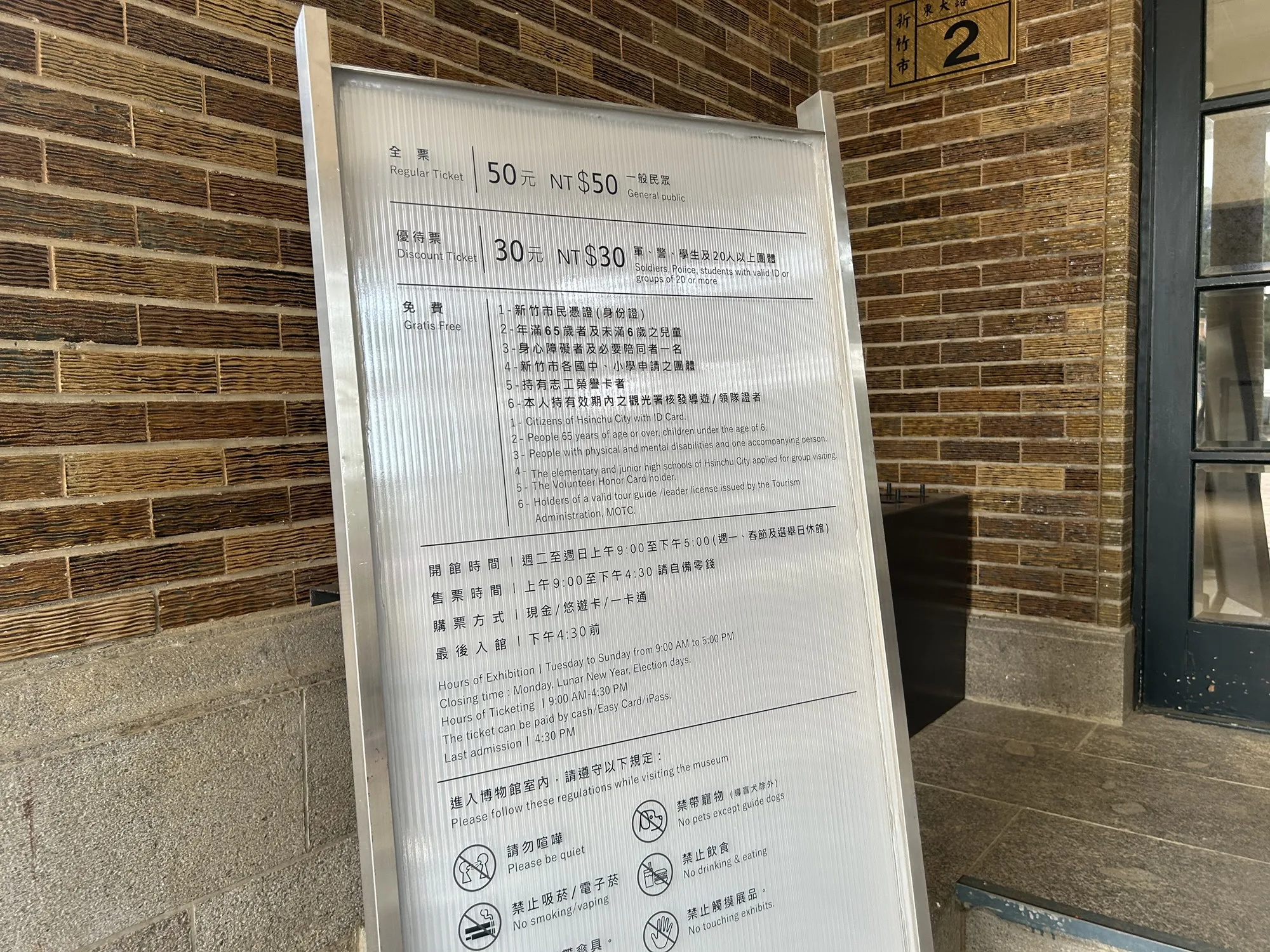
The entrance fee was 50 NT per person.
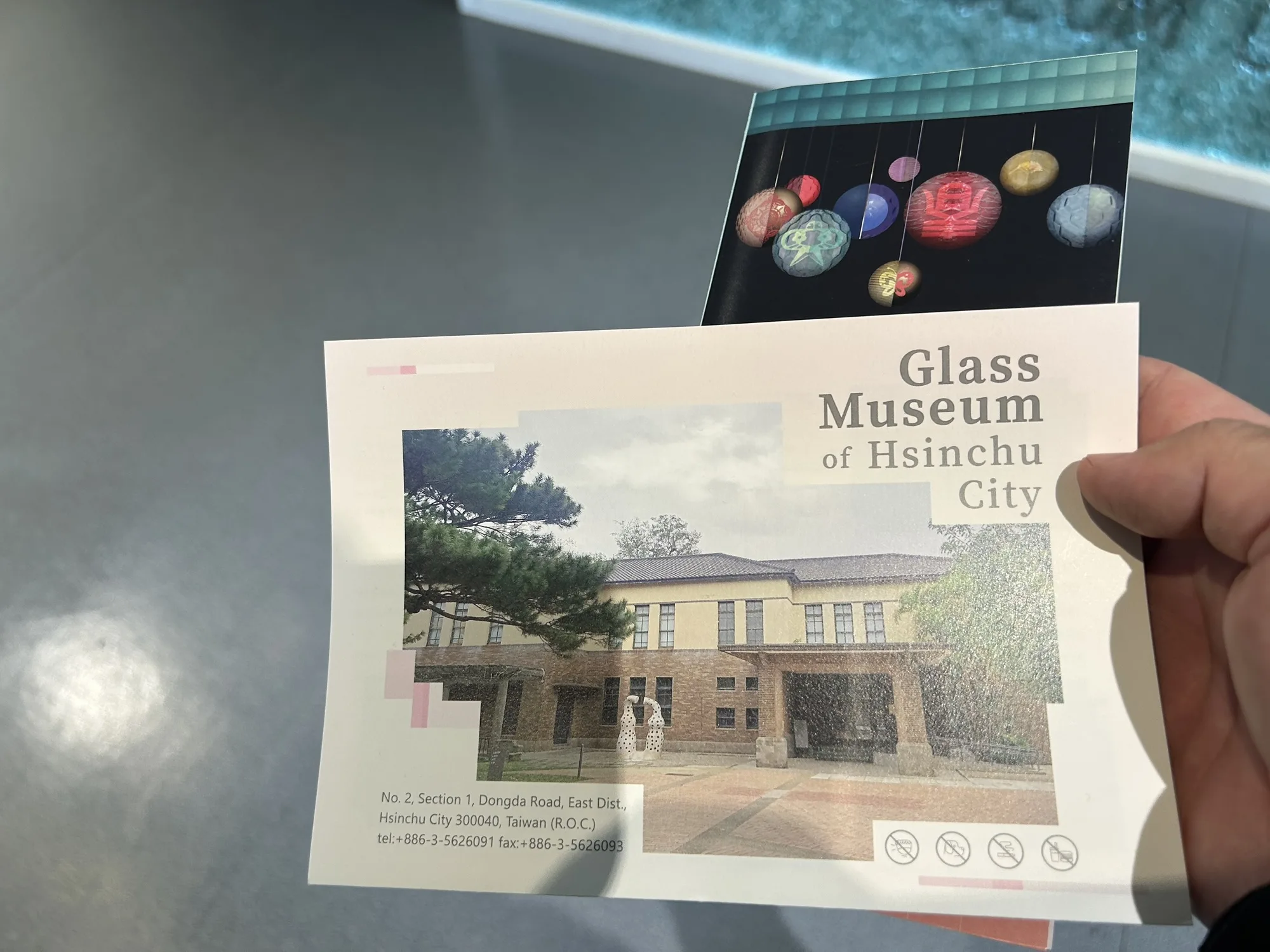
Handouts from the museum.
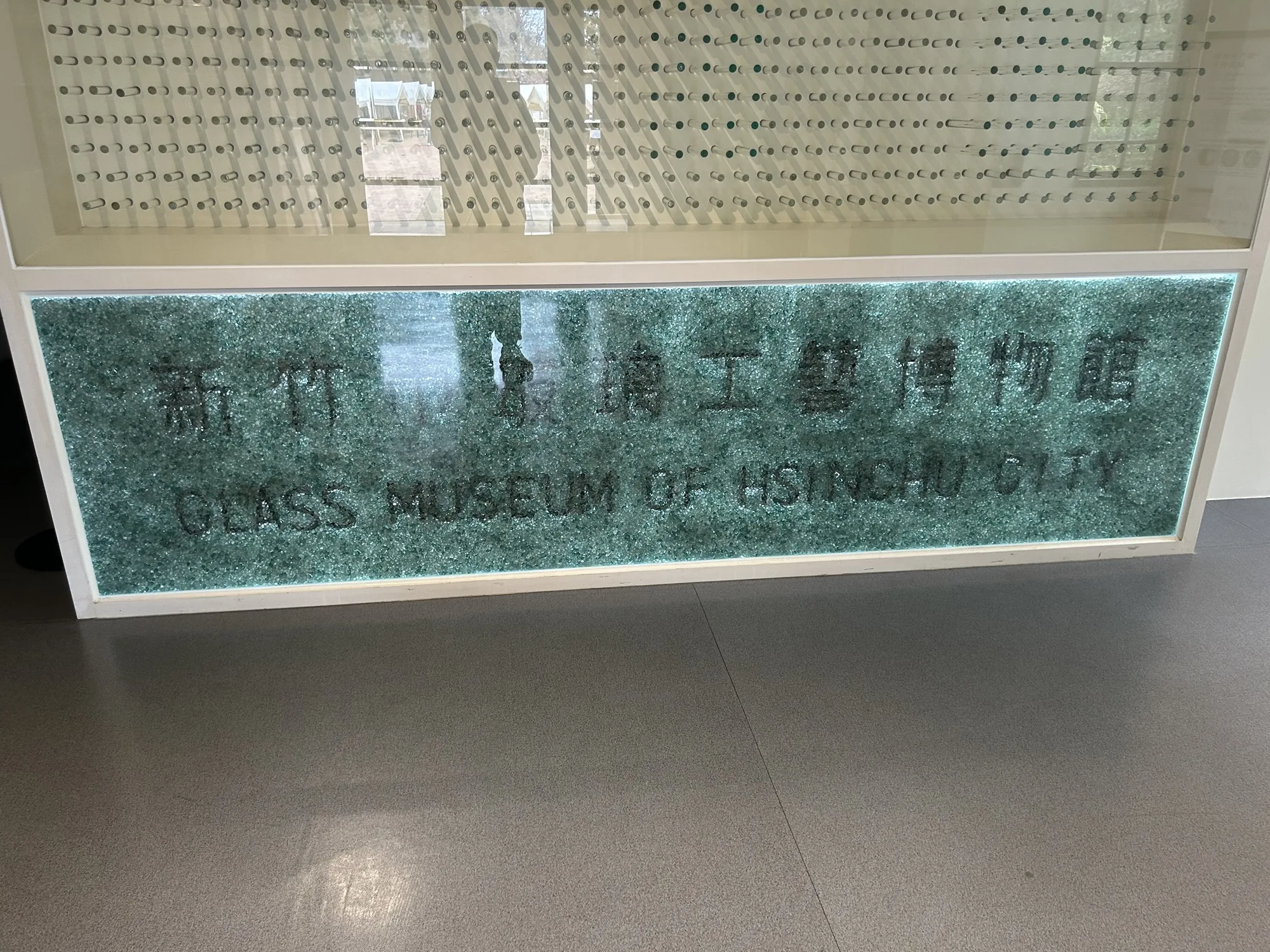
Glass welcome sign at the center.
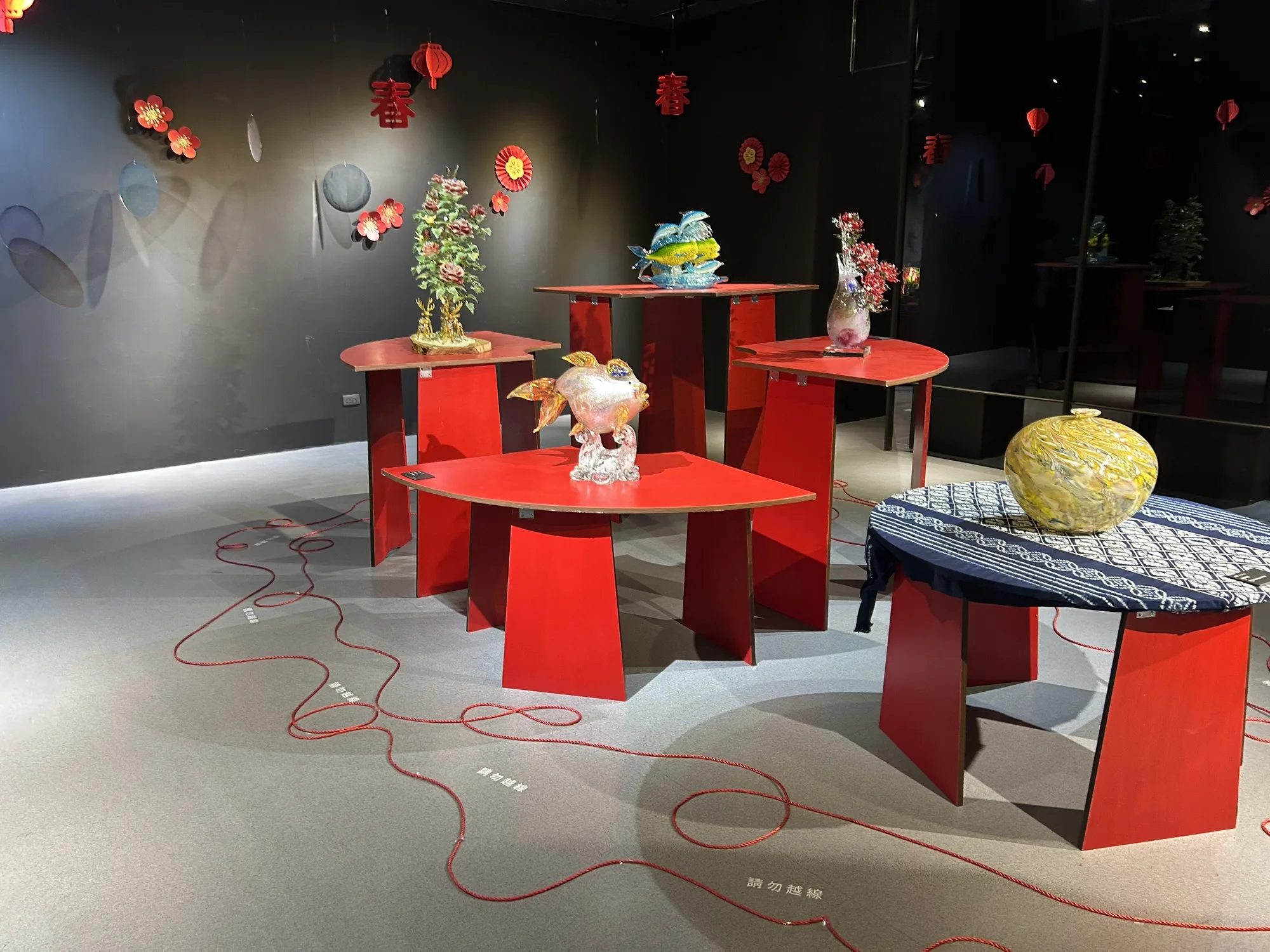
The first set of glass artwork we saw.
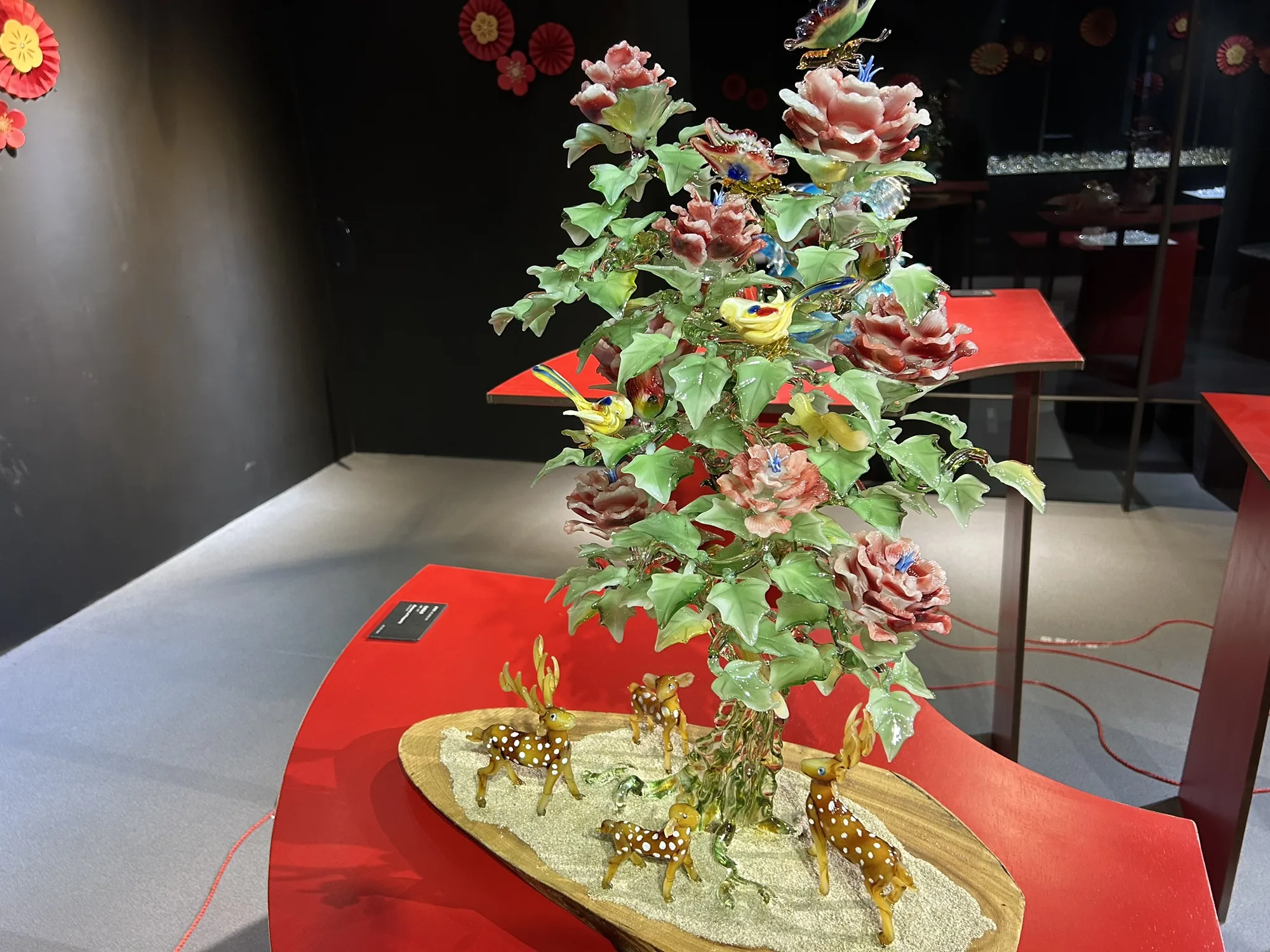
Glass flowers, deer, and butterflies.
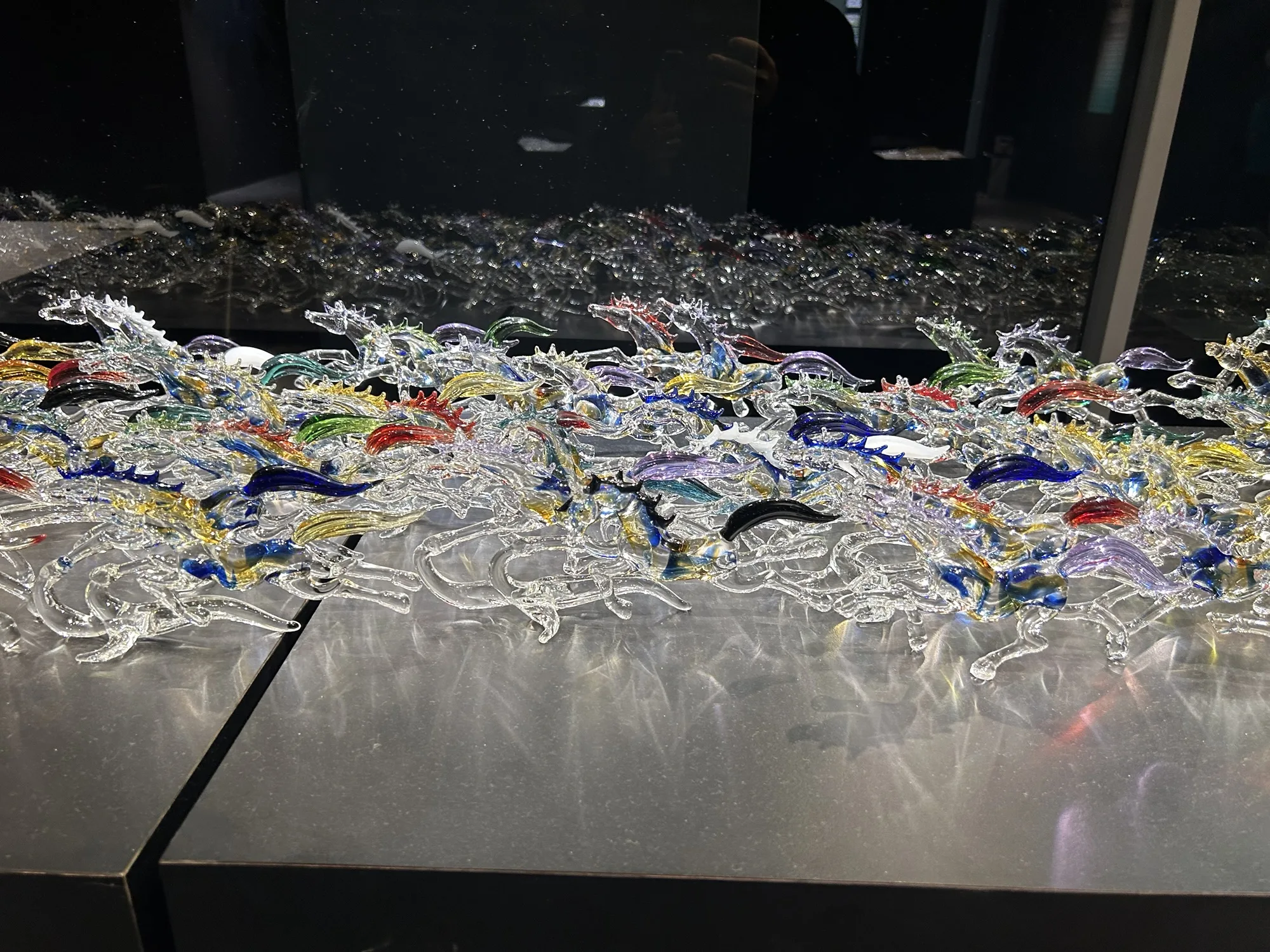
Glass horses for the year of the Horse.
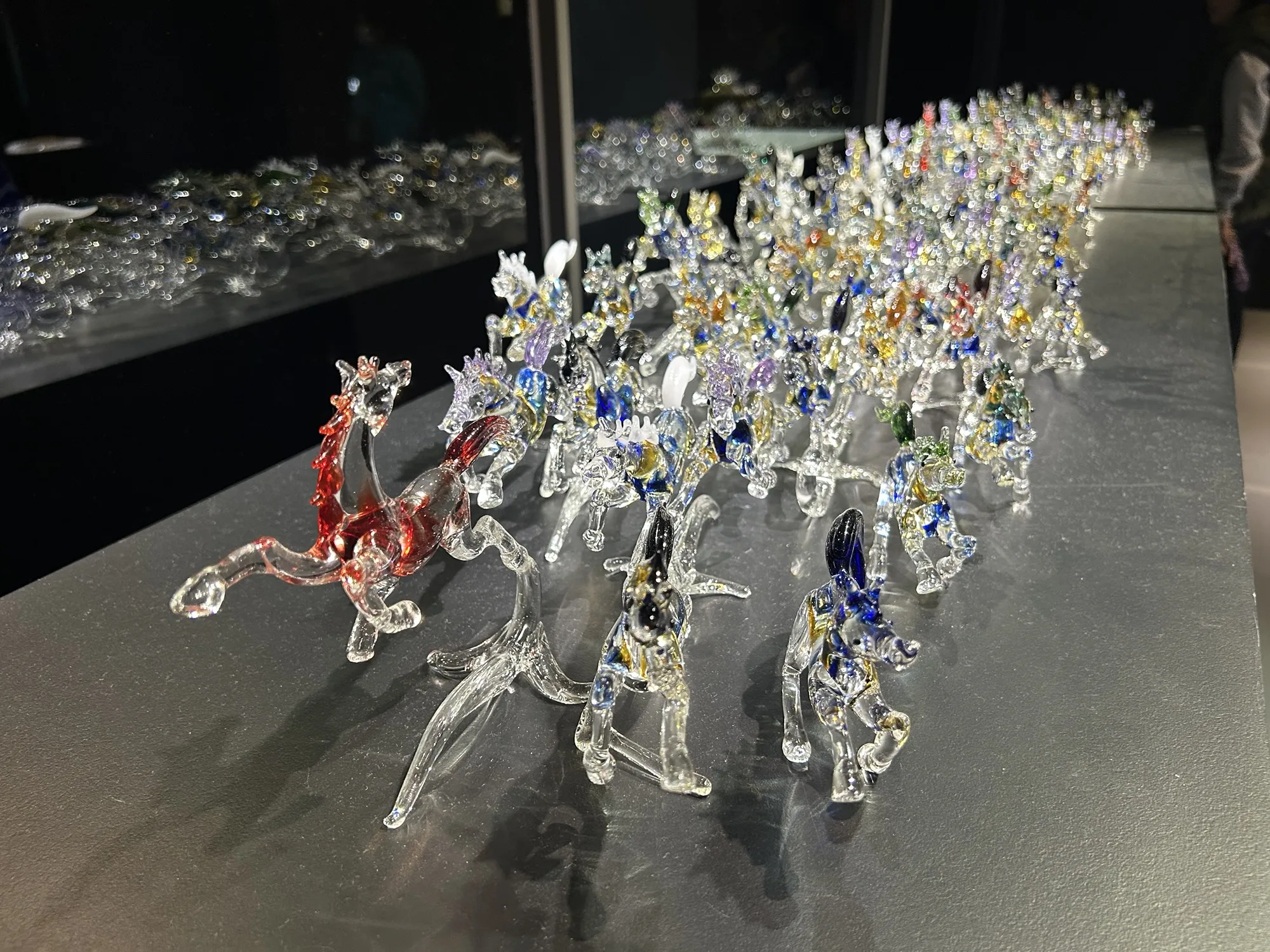
More glass horses.
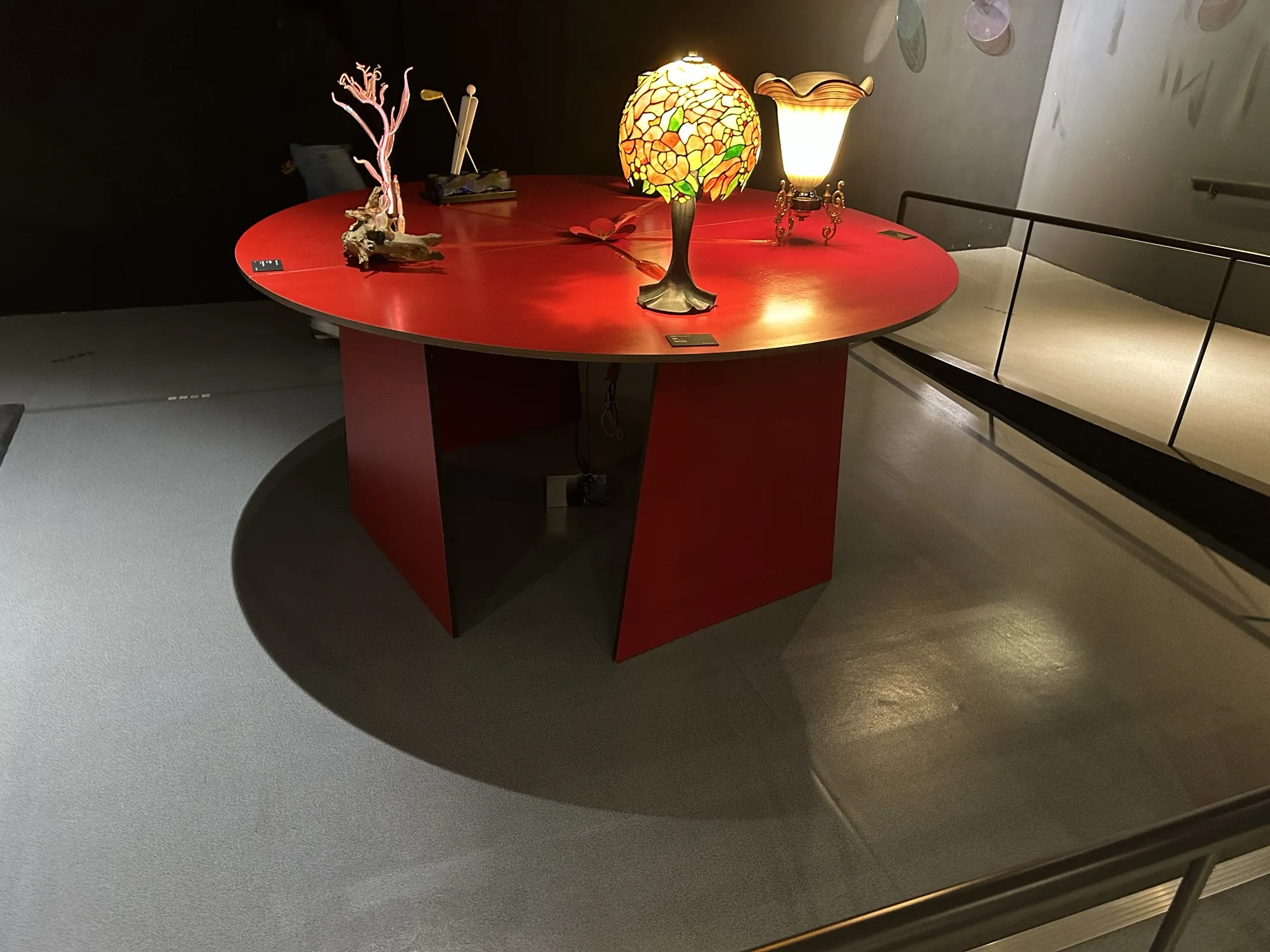
Glass lamps.
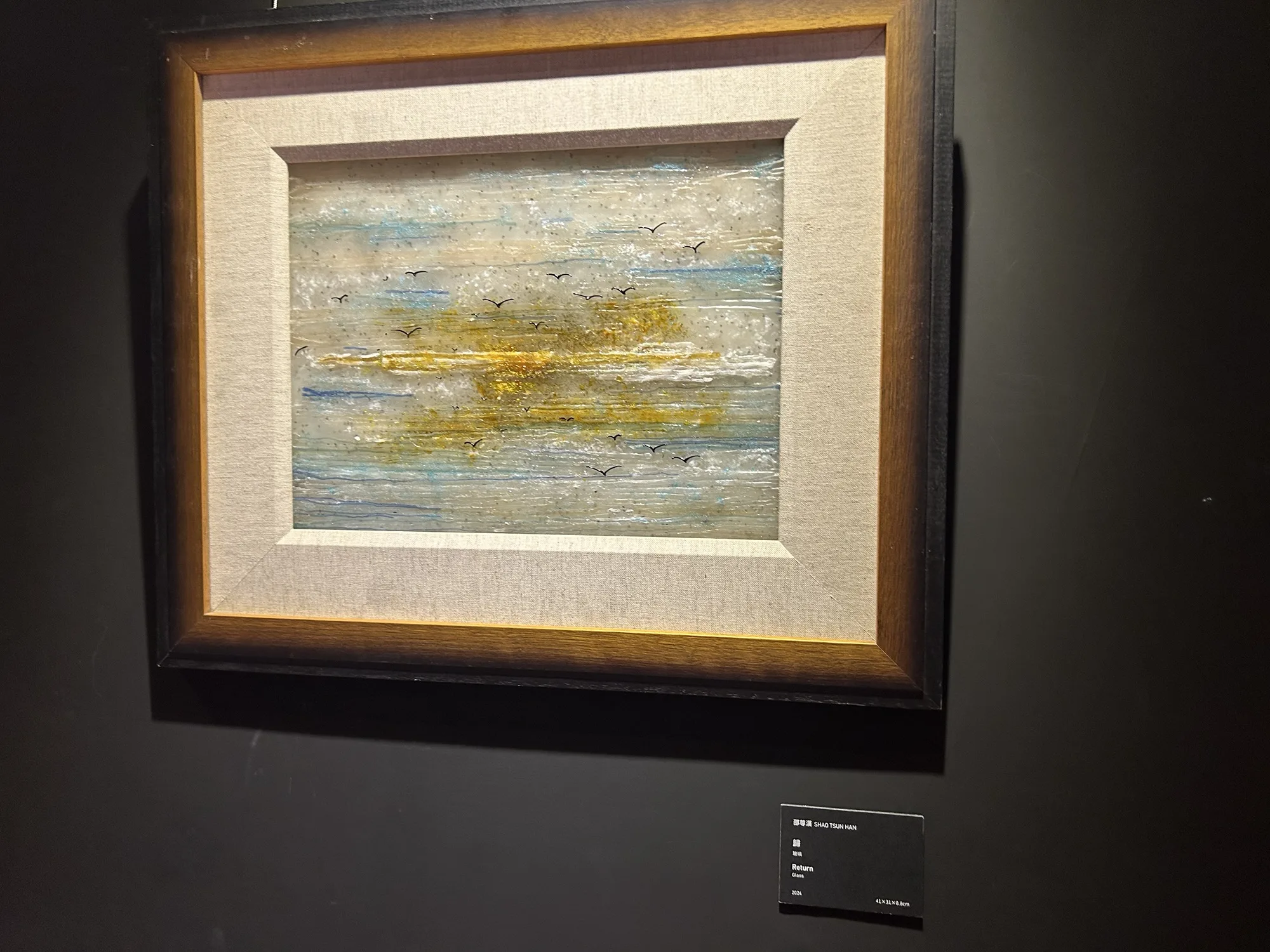
Glass painting.
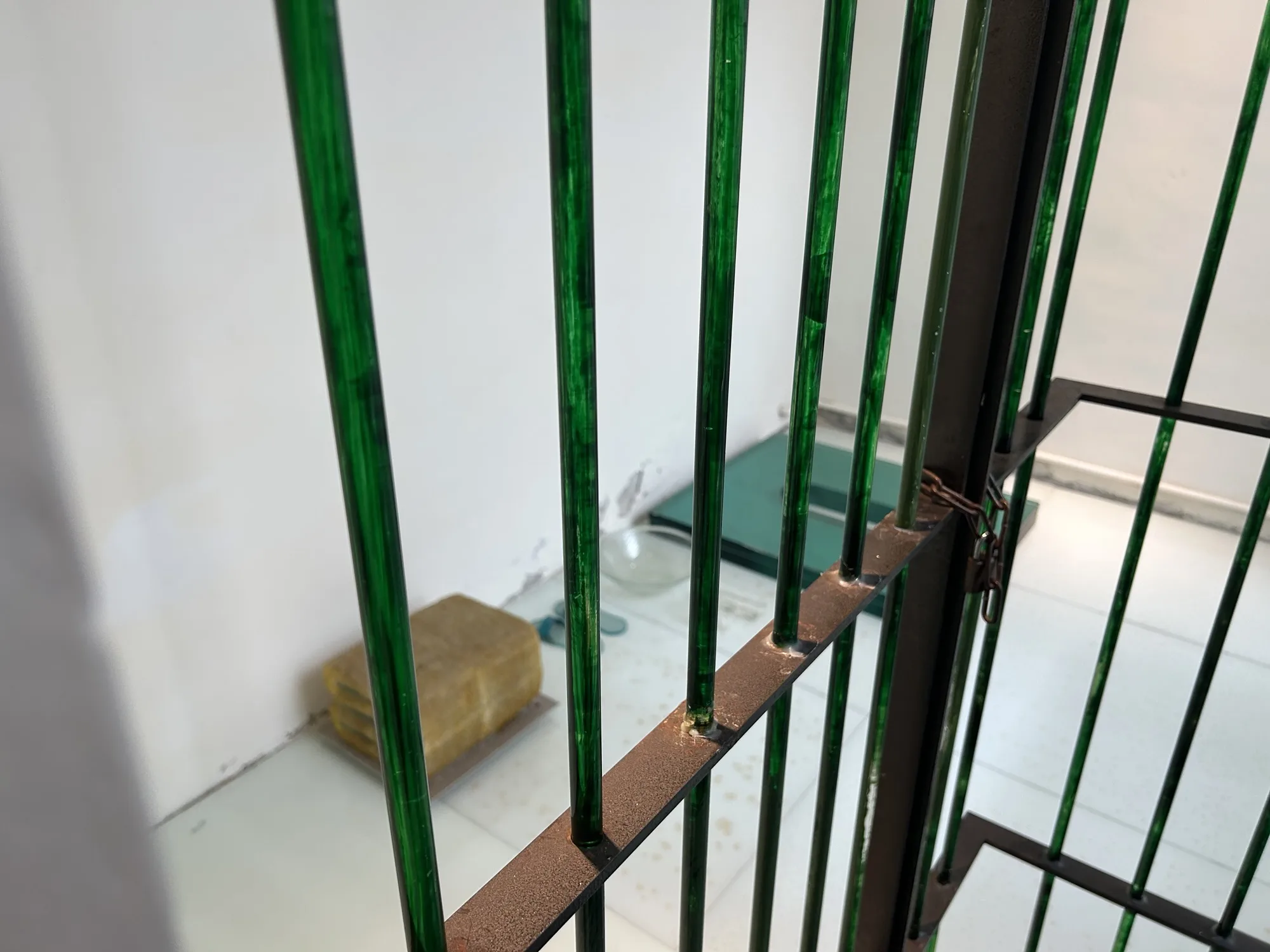
Glass prison cell.
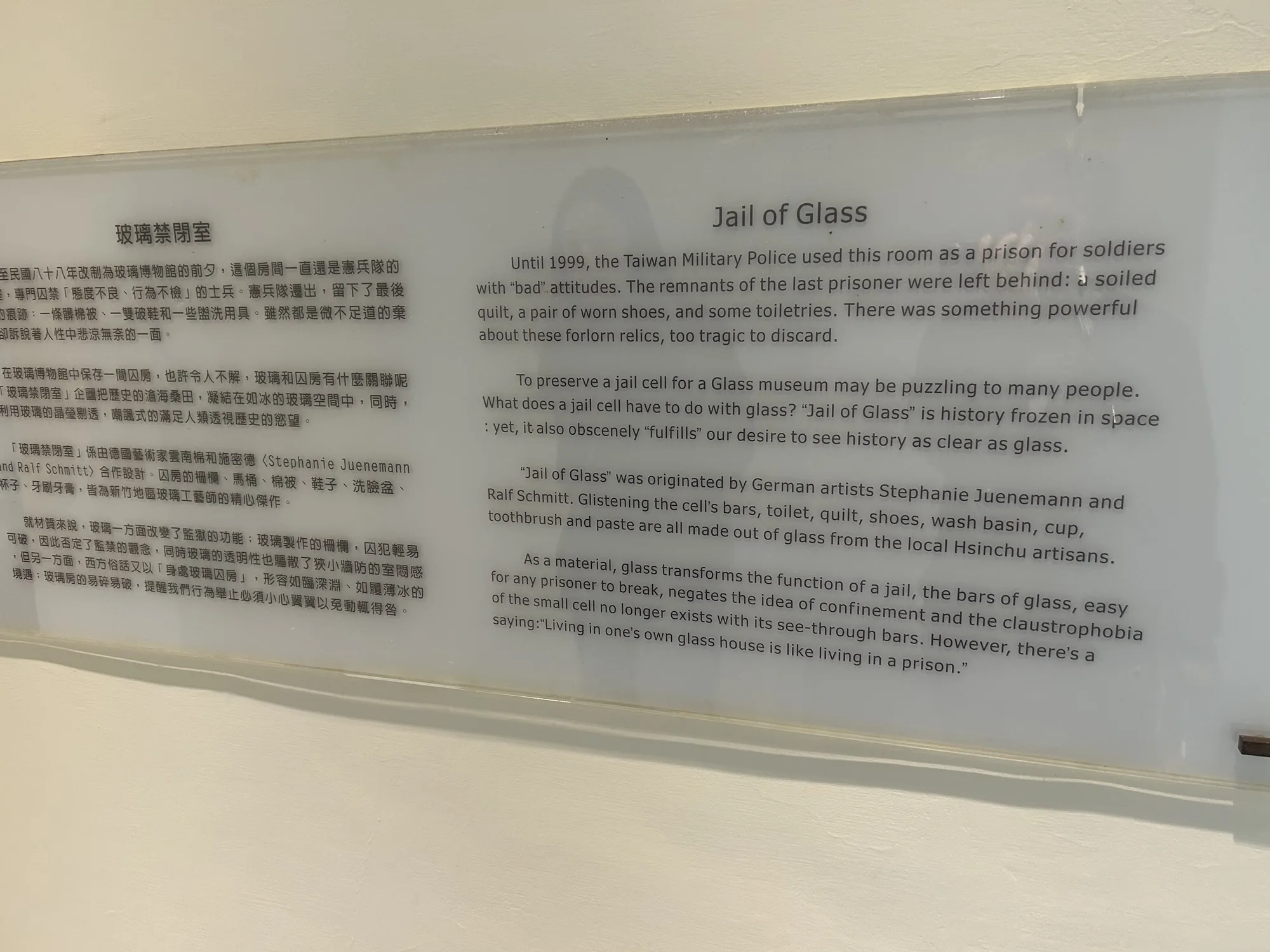
Jail of Glass
Until 1999, the Taiwan Military Police used this room as a prison for soldiers with “bad” attitudes. The remnants of the last prisoner were left behind: a soiled quilt, a pair of worn shoes, and some toiletries. There was something powerful about these forlorn relics, too tragic to discard.
To preserve a jail cell for a Glass museum may be puzzling to many people. What does a jail cell have to do with glass? “Jail of Glass” is history frozen in space; yet, it also obscenely “fulfills” our desire to see history as clear as glass.
“Jail of Glass” was originated by German artists Stephanie Juenemann and Ralf Schmitt. Glistening the cell’s bars, toilet, quilt, shoes, wash basin, cup, toothbrush and paste are all made out of glass from the local Hsinchu artisans.
As a material, glass transforms the function of a jail, the bars of glass, easy for any prisoner to break, negates the idea of confinement and the claustrophobia of the small cell no longer exists with its see-through bars. However, there’s a saying: “Living in one’s own glass house is like living in a prison.”
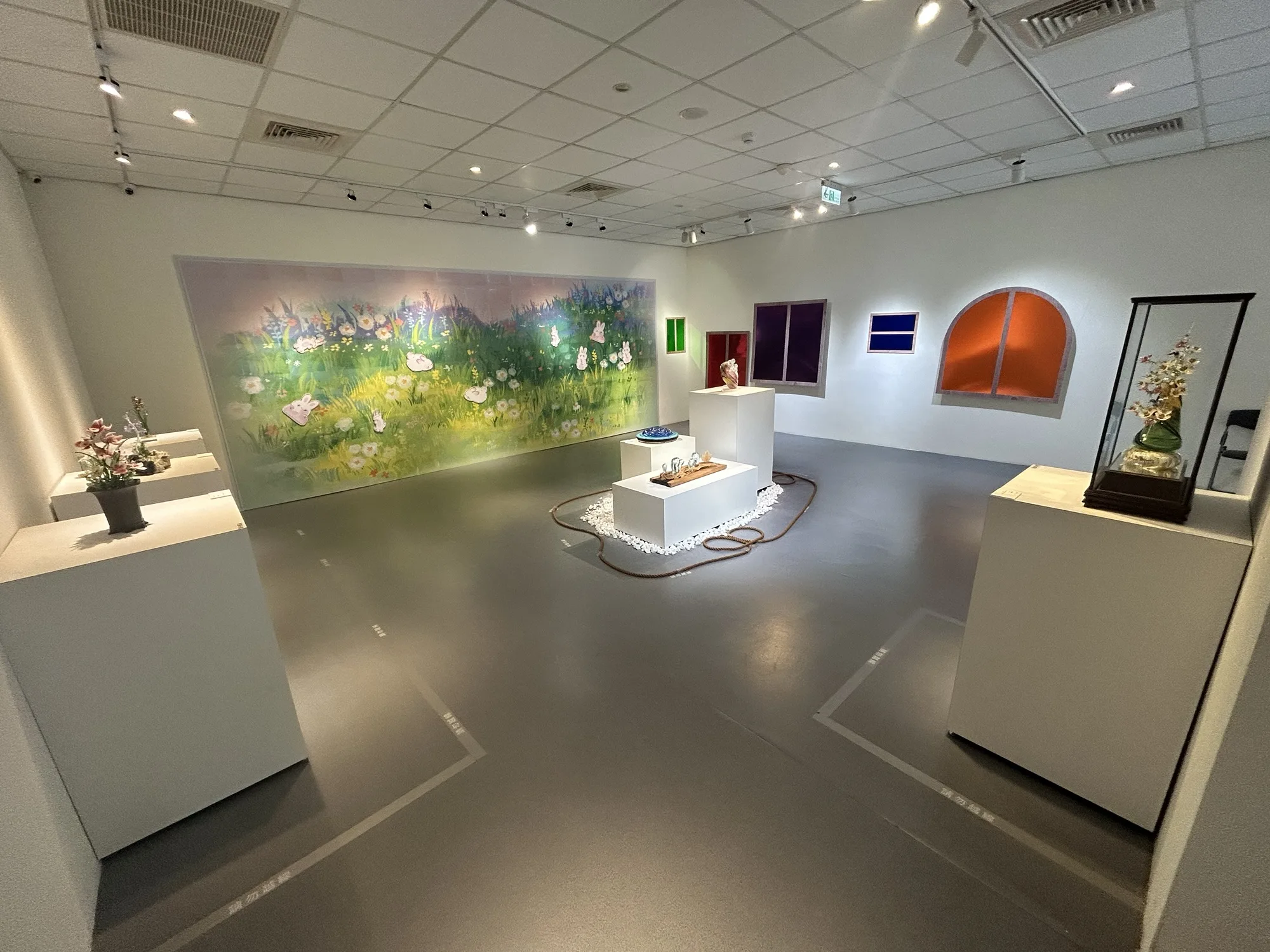
More glass on display.
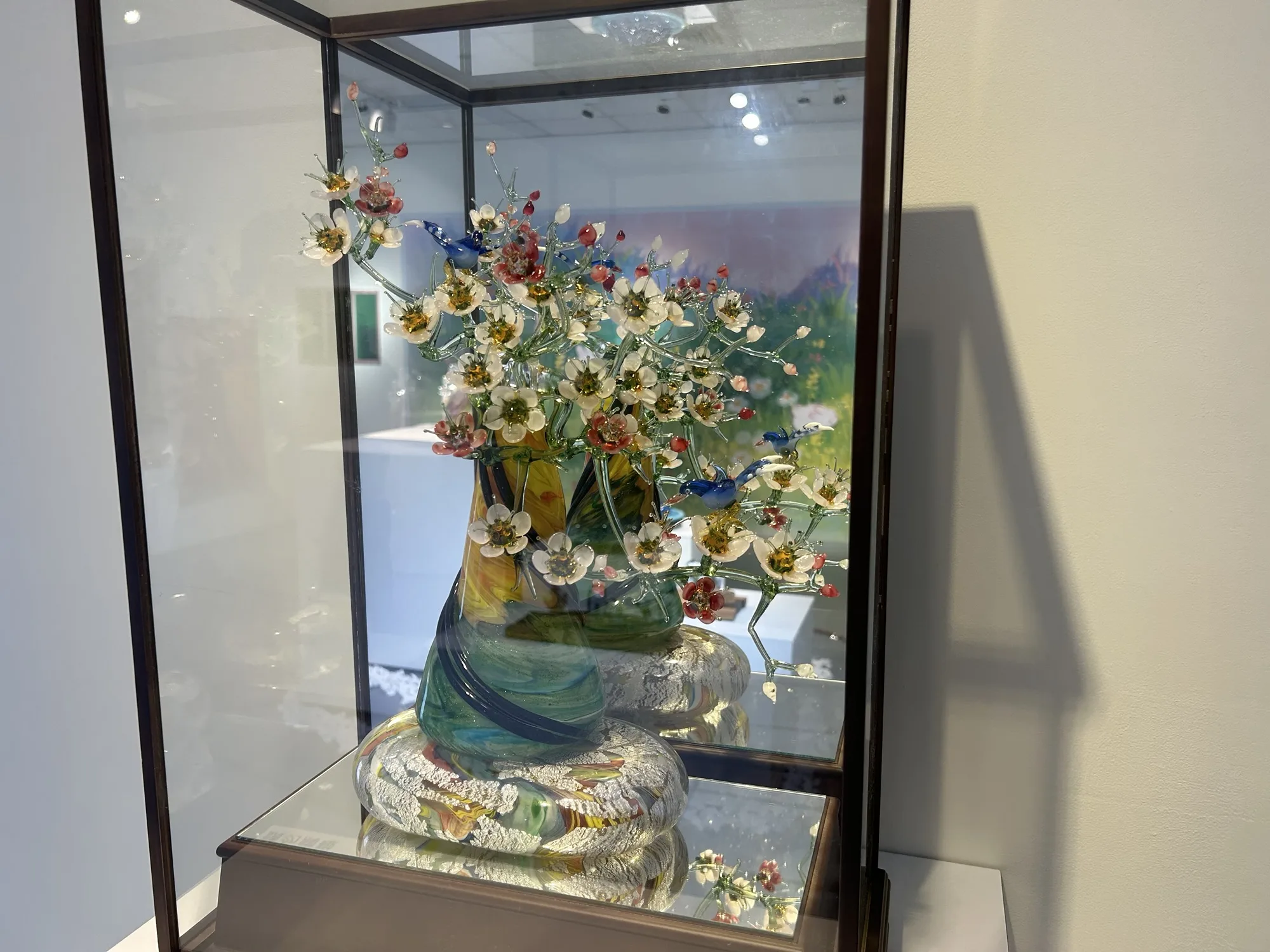
Glass behind glass.
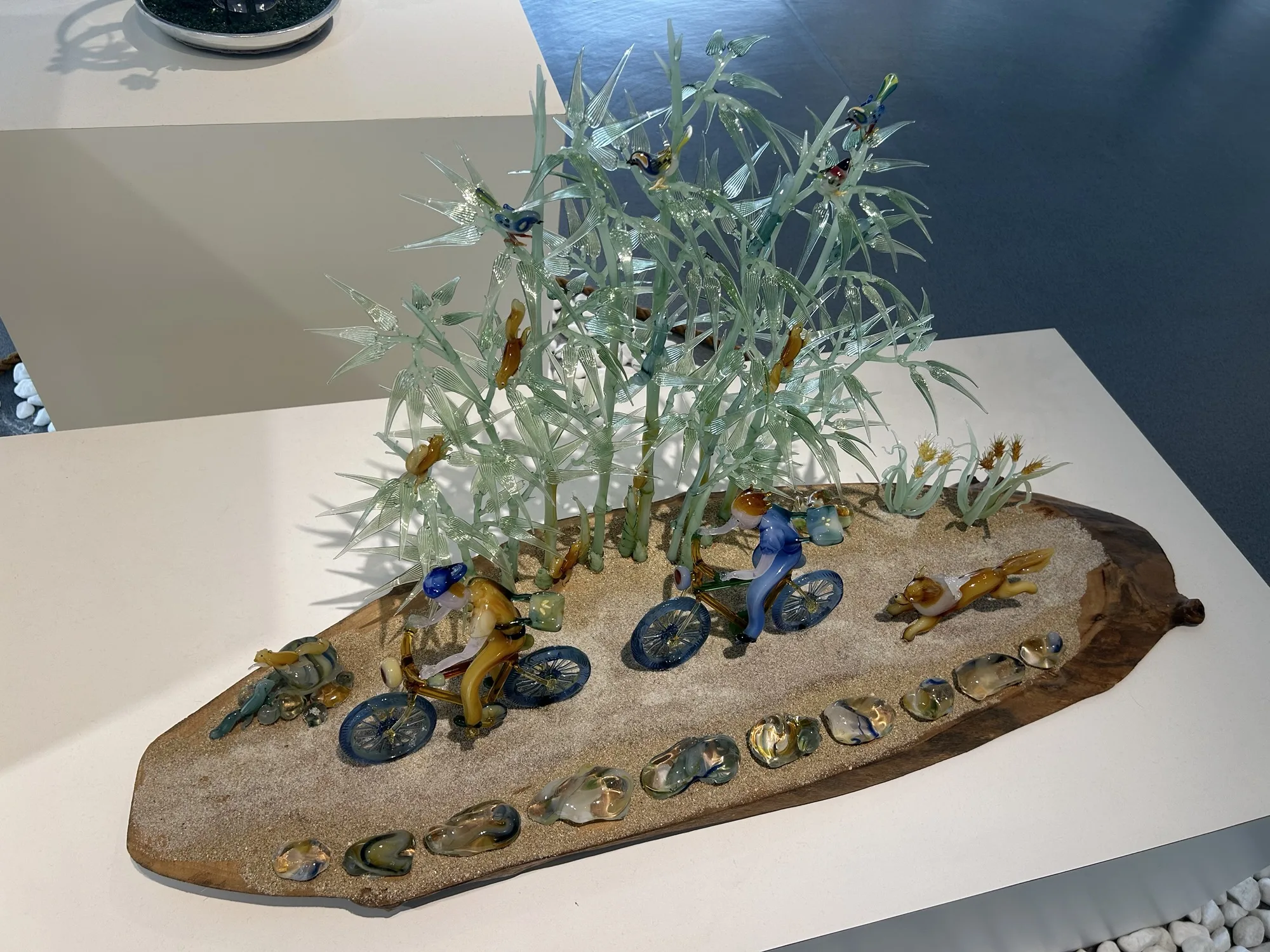
Glass cyclists.
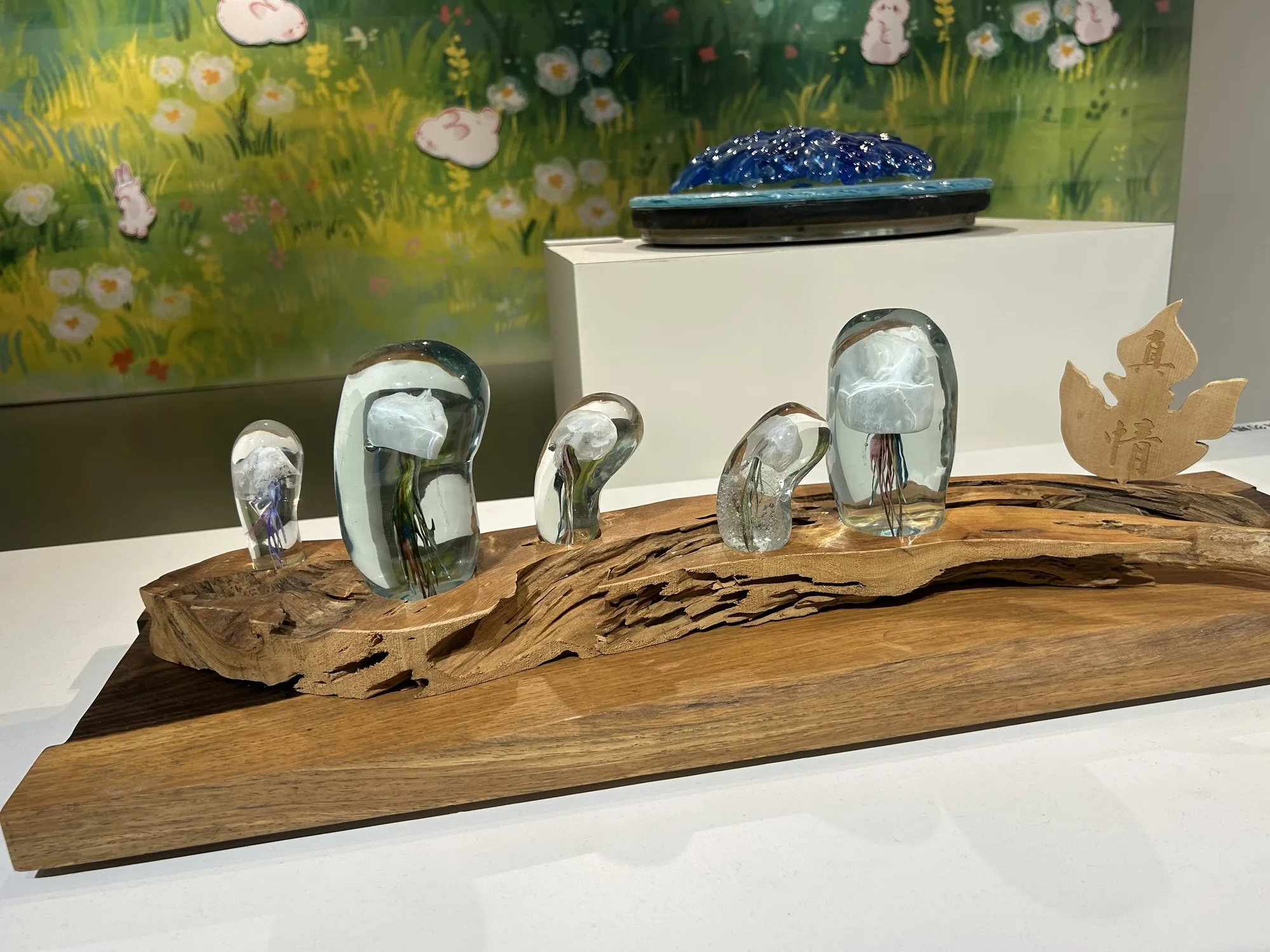
Glass jellyfish.
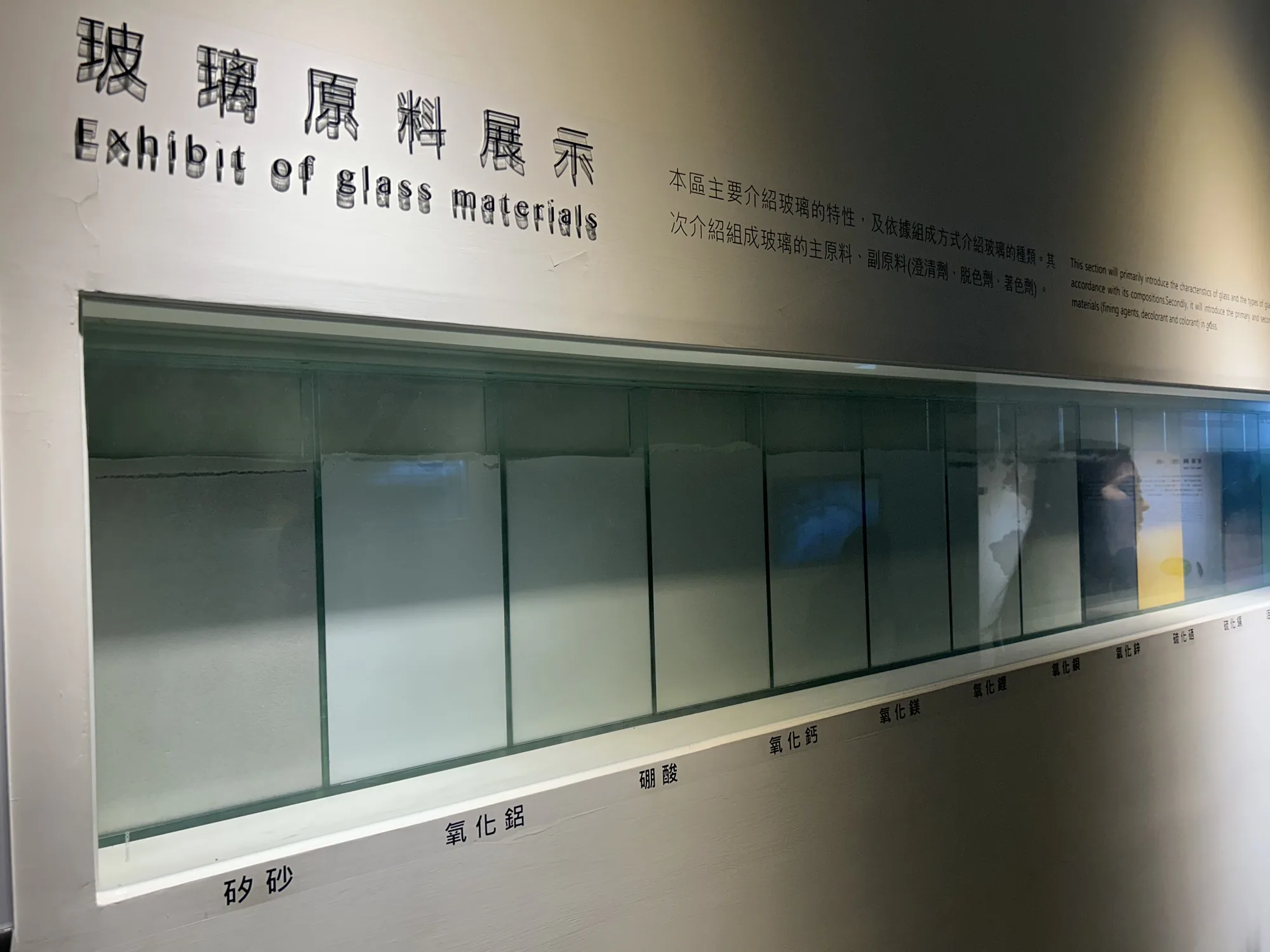
Exhibit of glass materials.
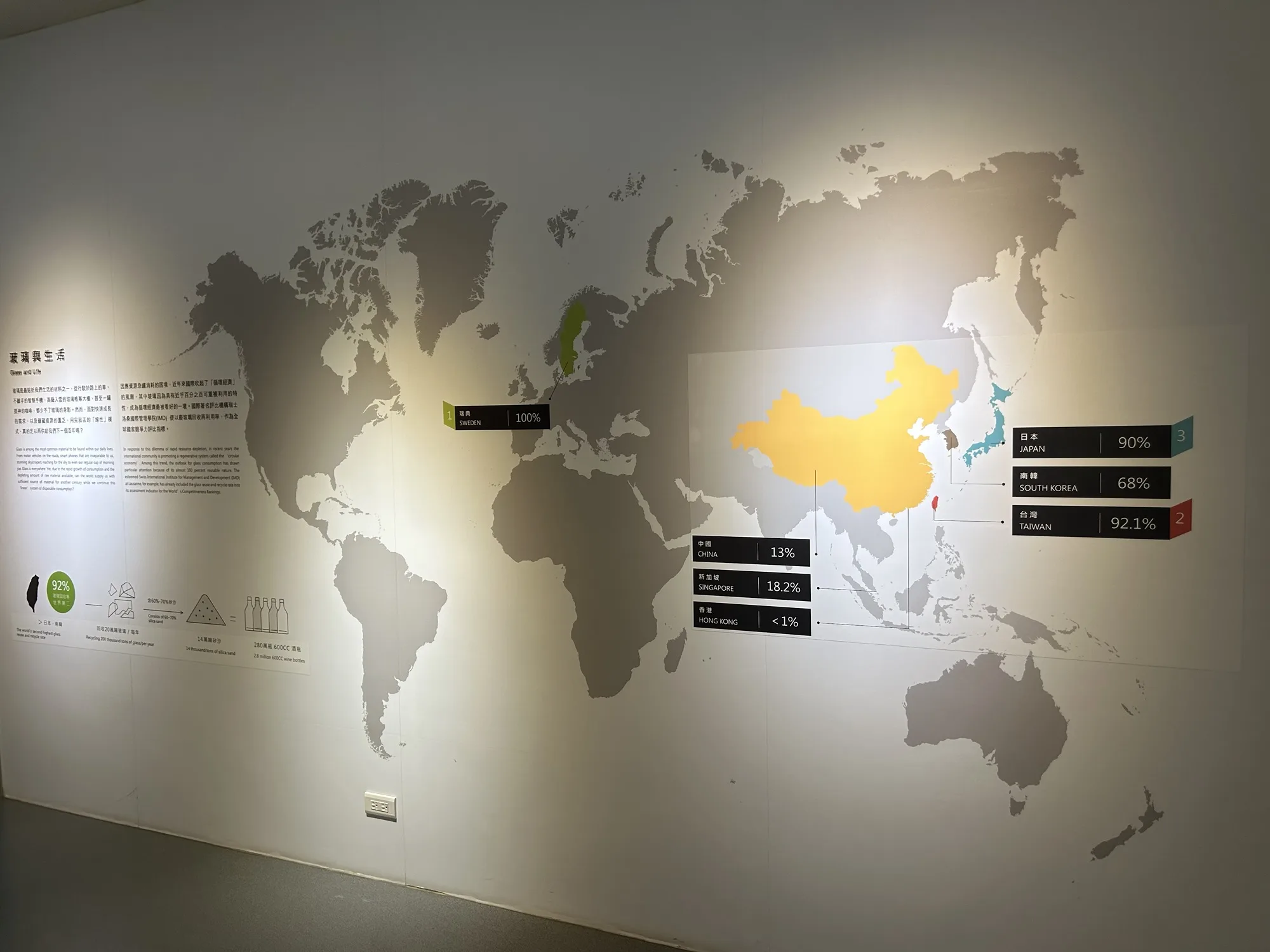
Major glass manufacturers.
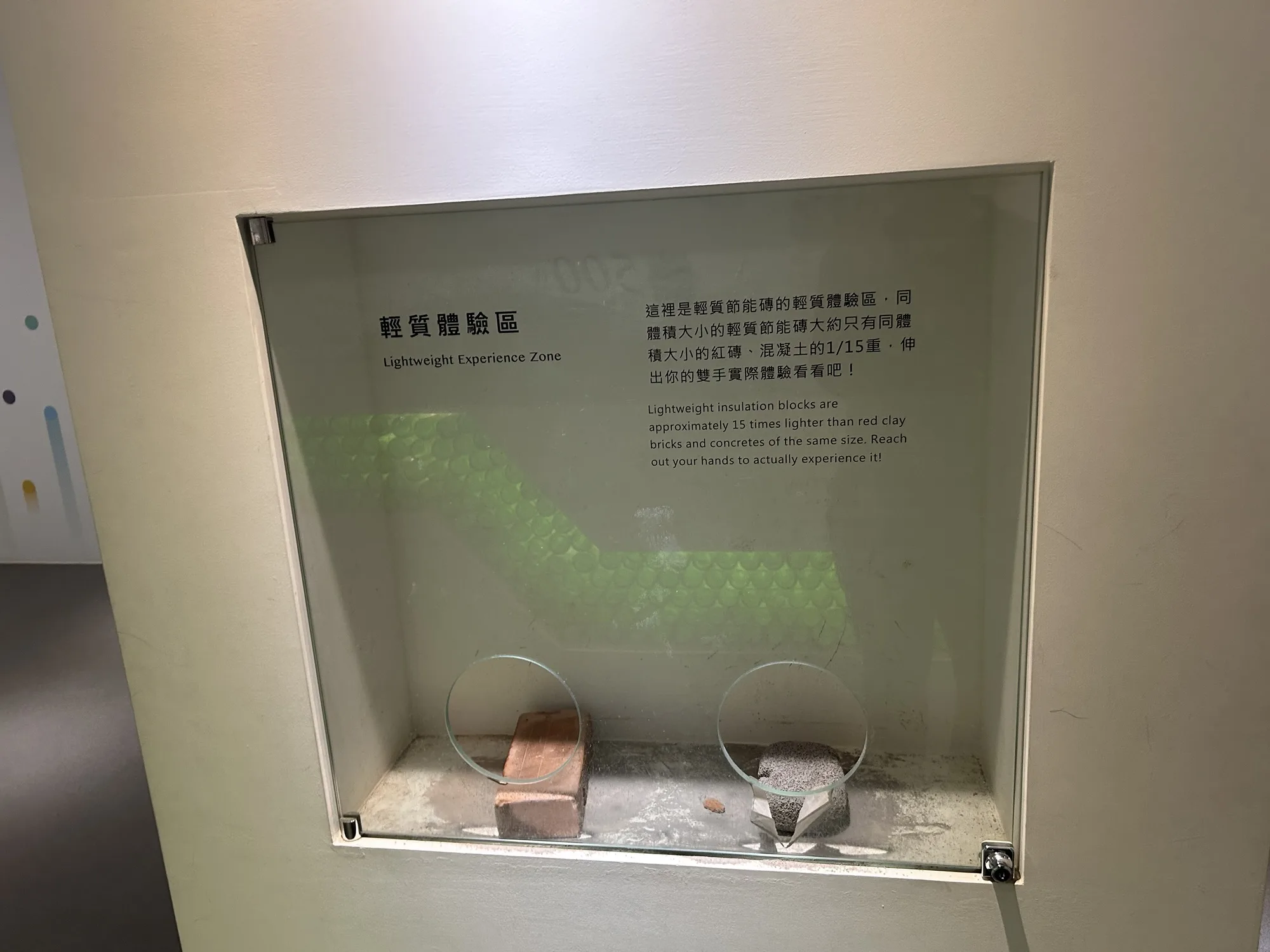
Different types of ceramic, of which glass is.
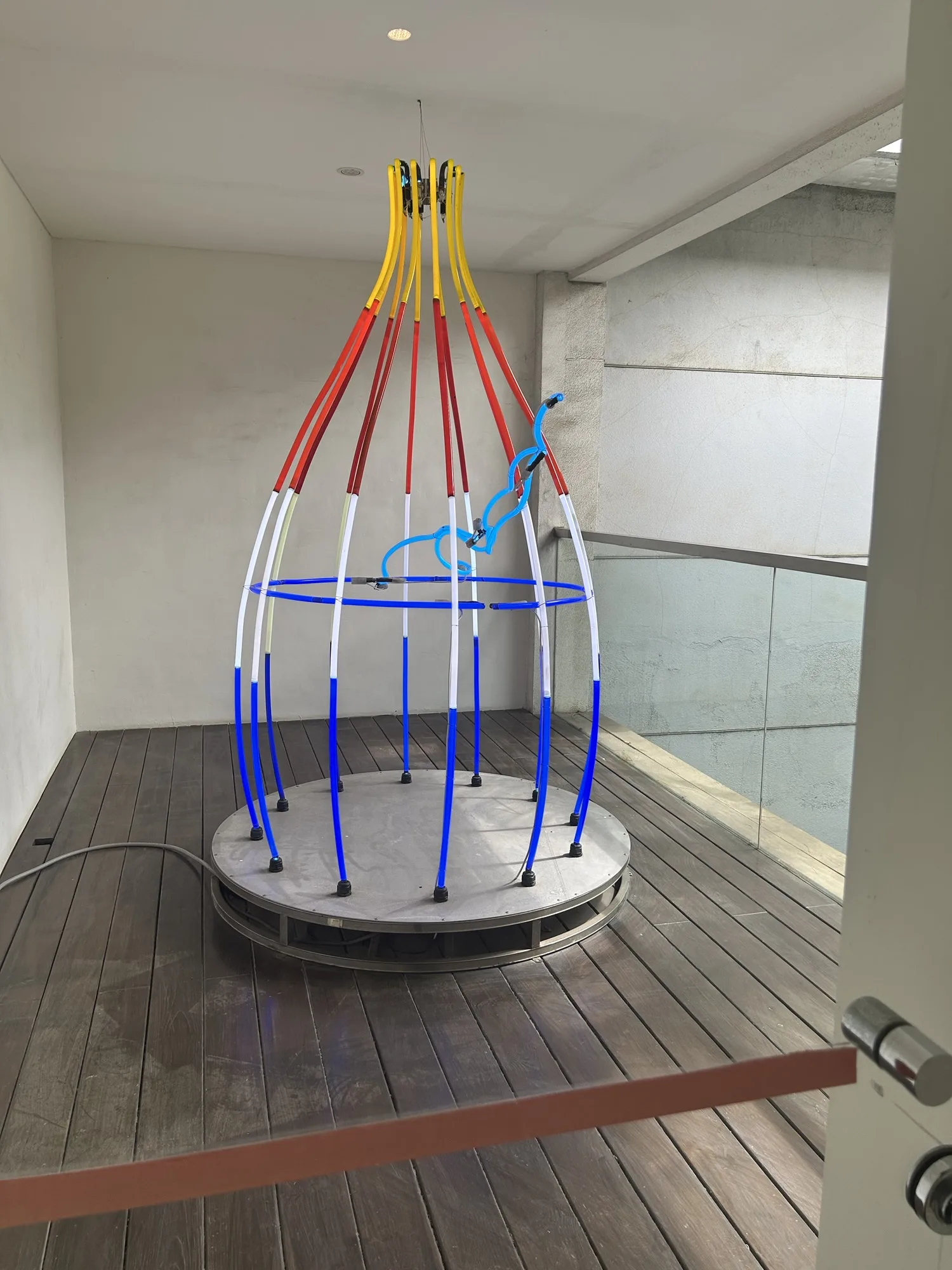
Glass light fixture.
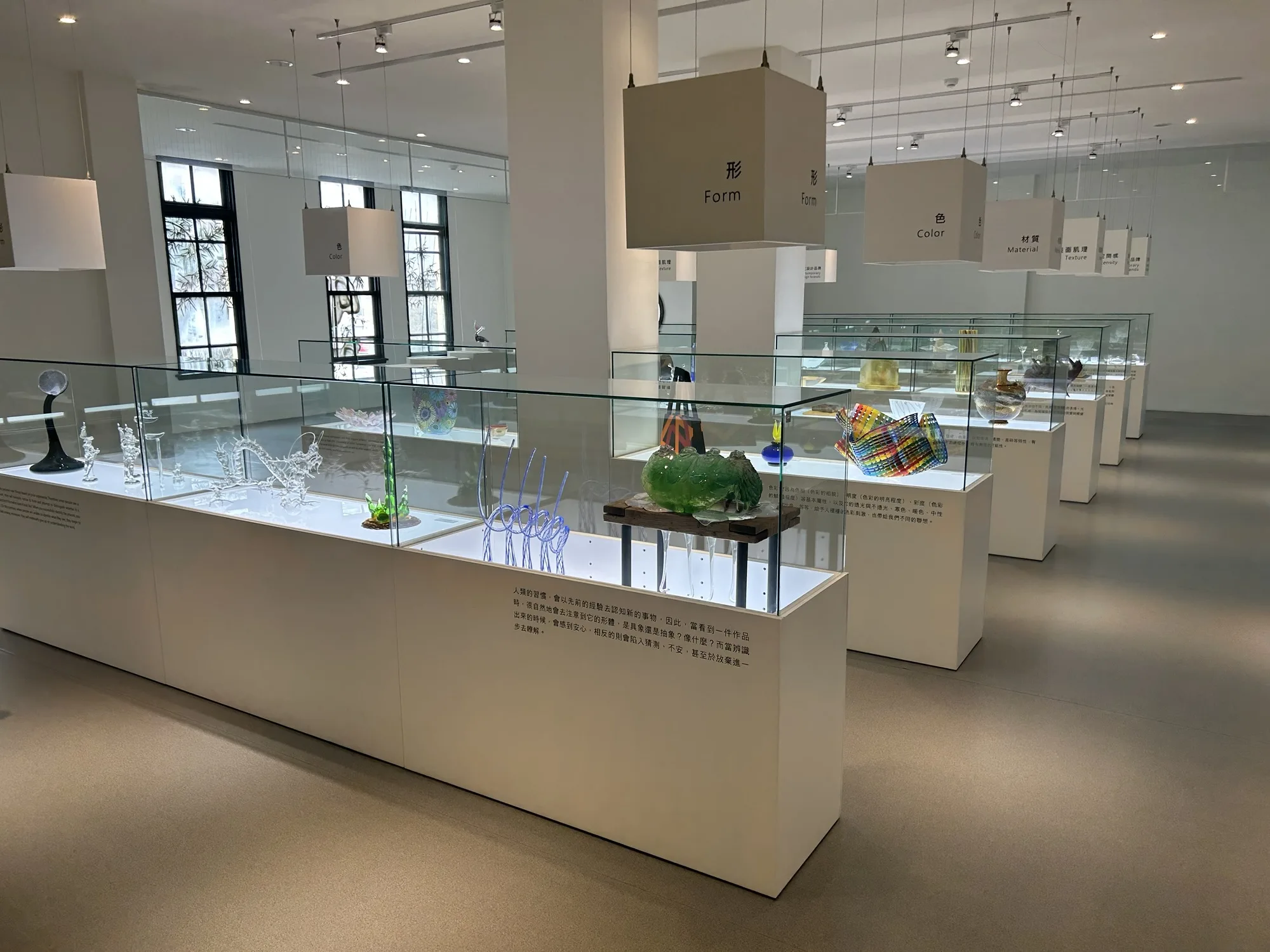
This room has the most glass related art inside it.
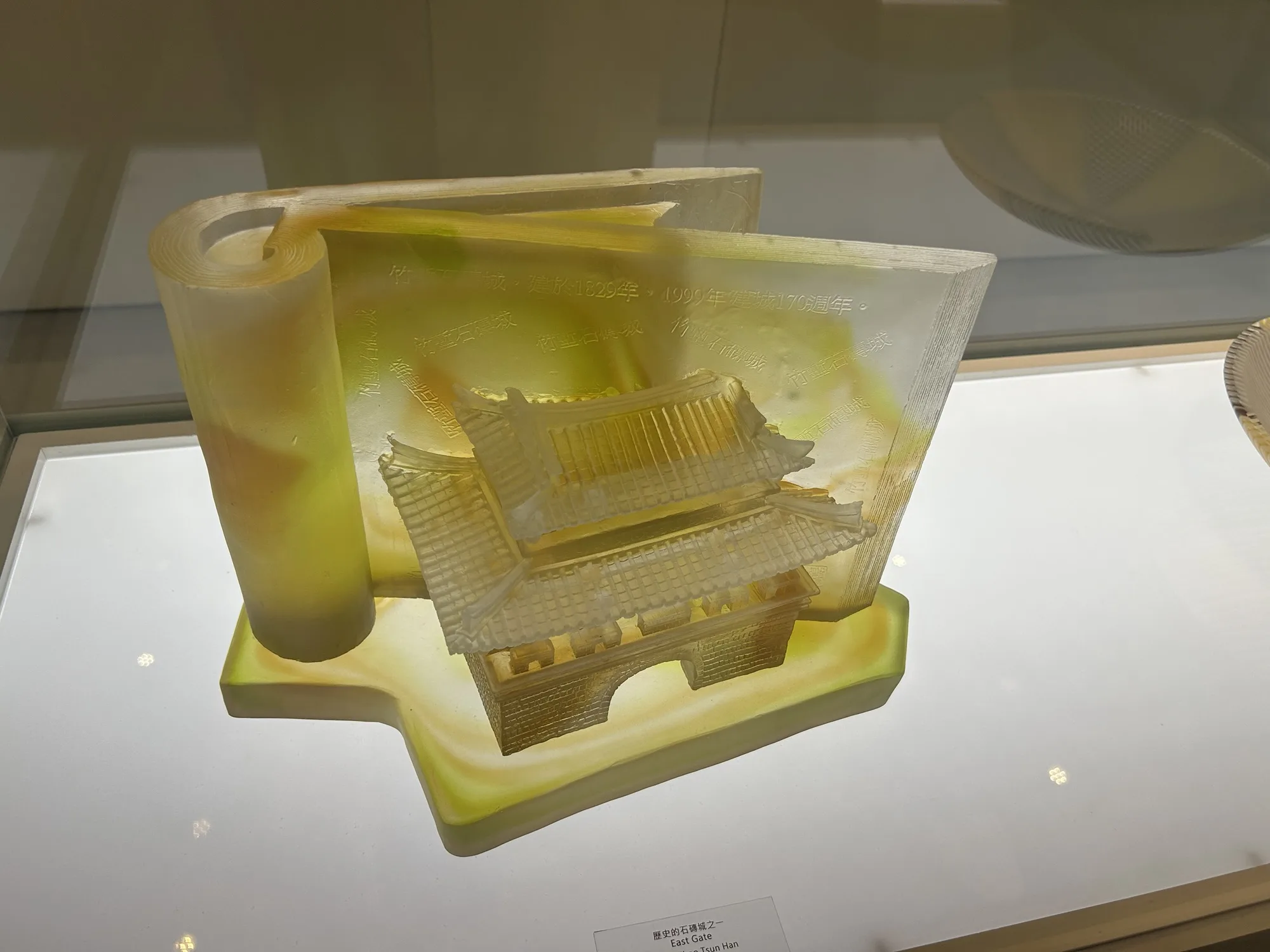
Glass East Gate of Hsinchu.
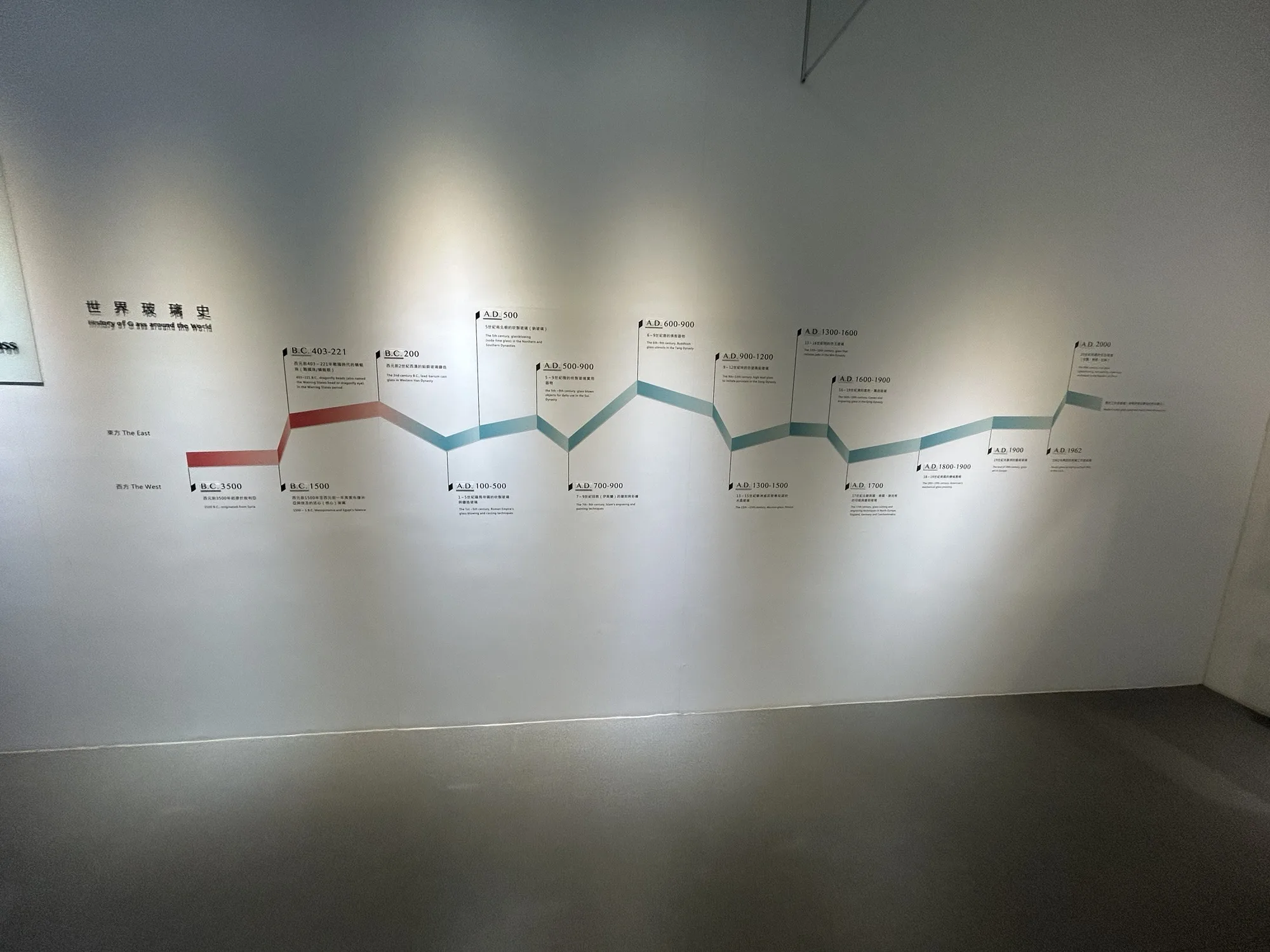
History and timeline of glass making.
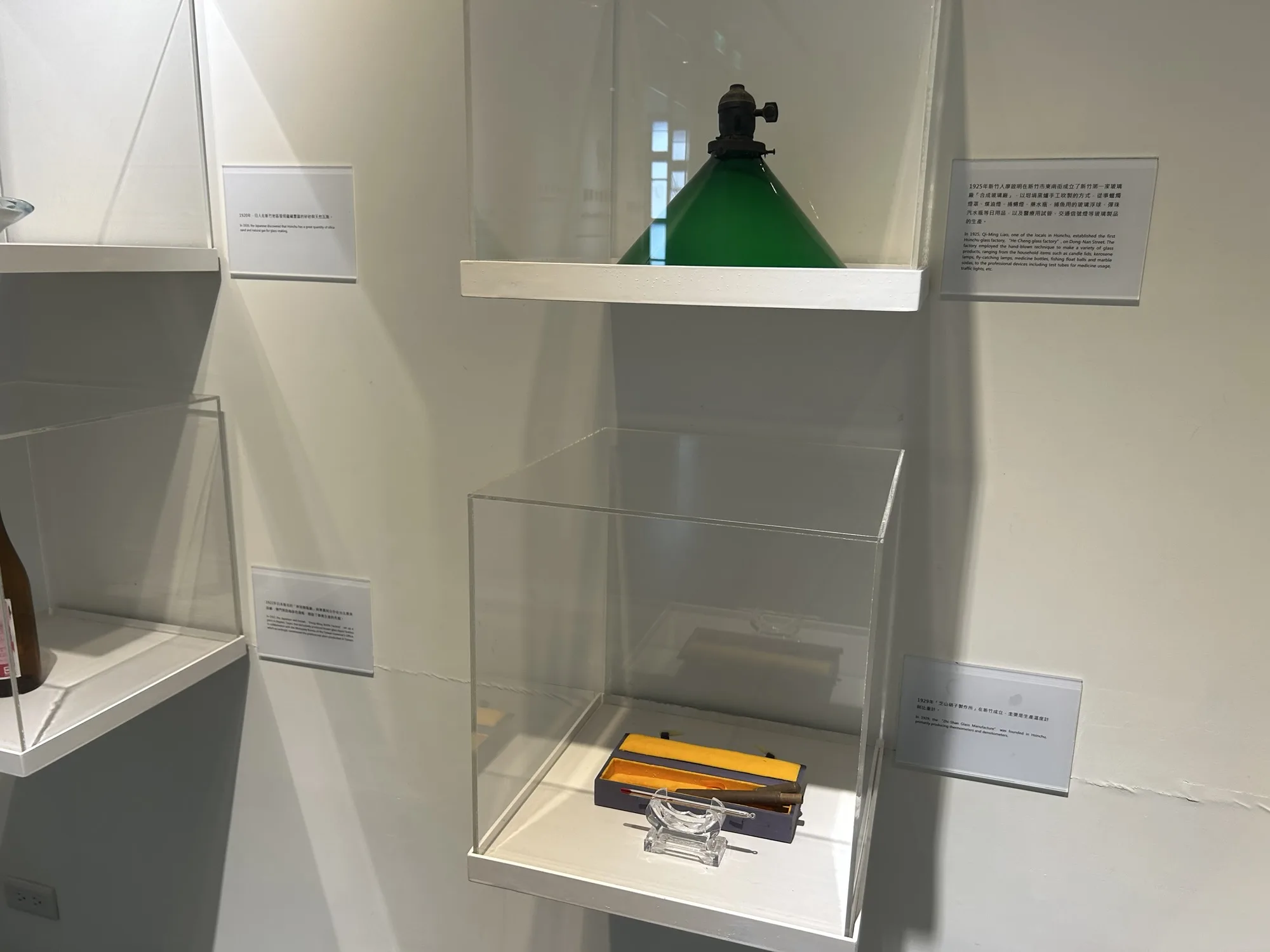
More glass artifacts.
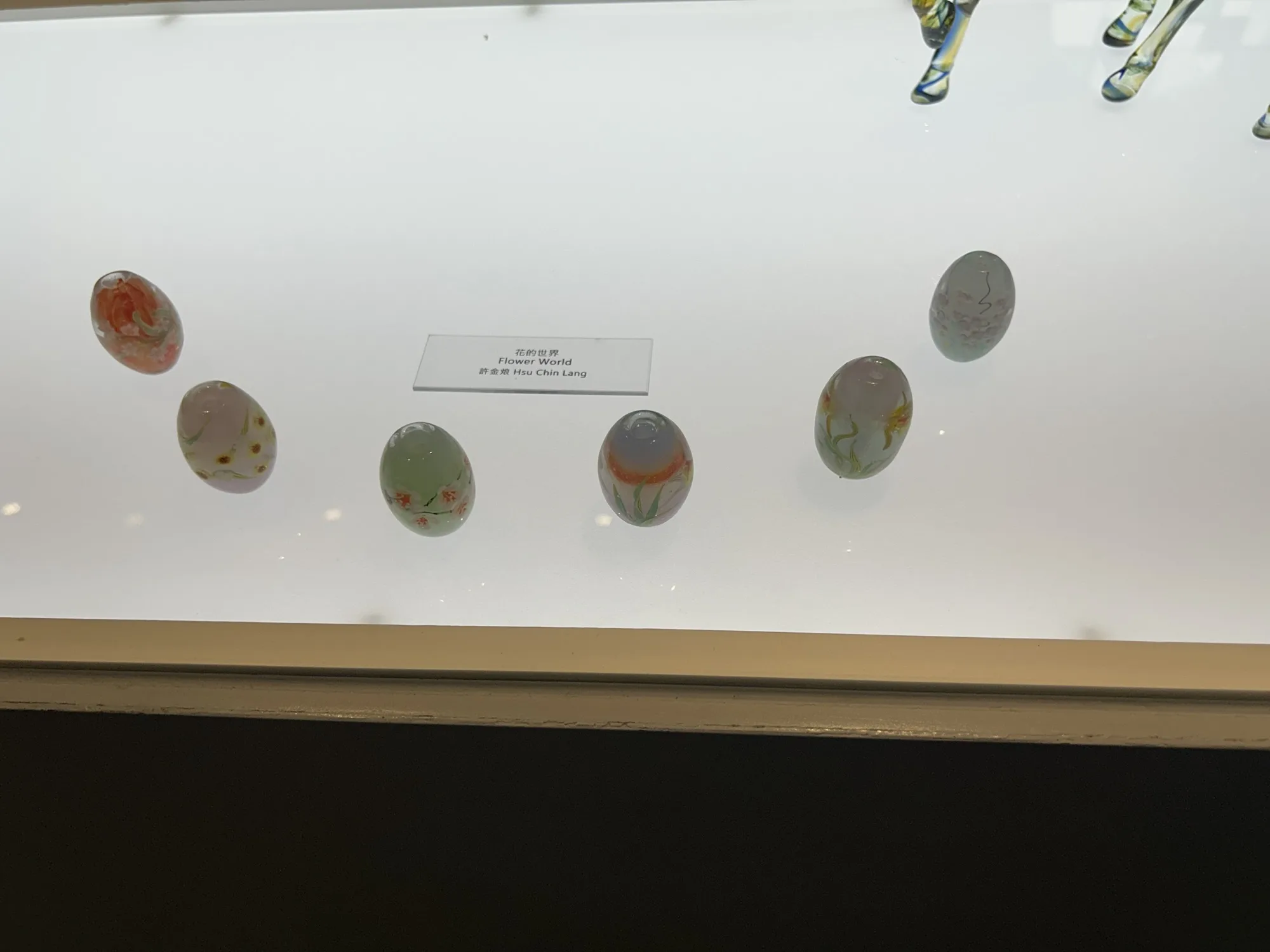
Flower world.
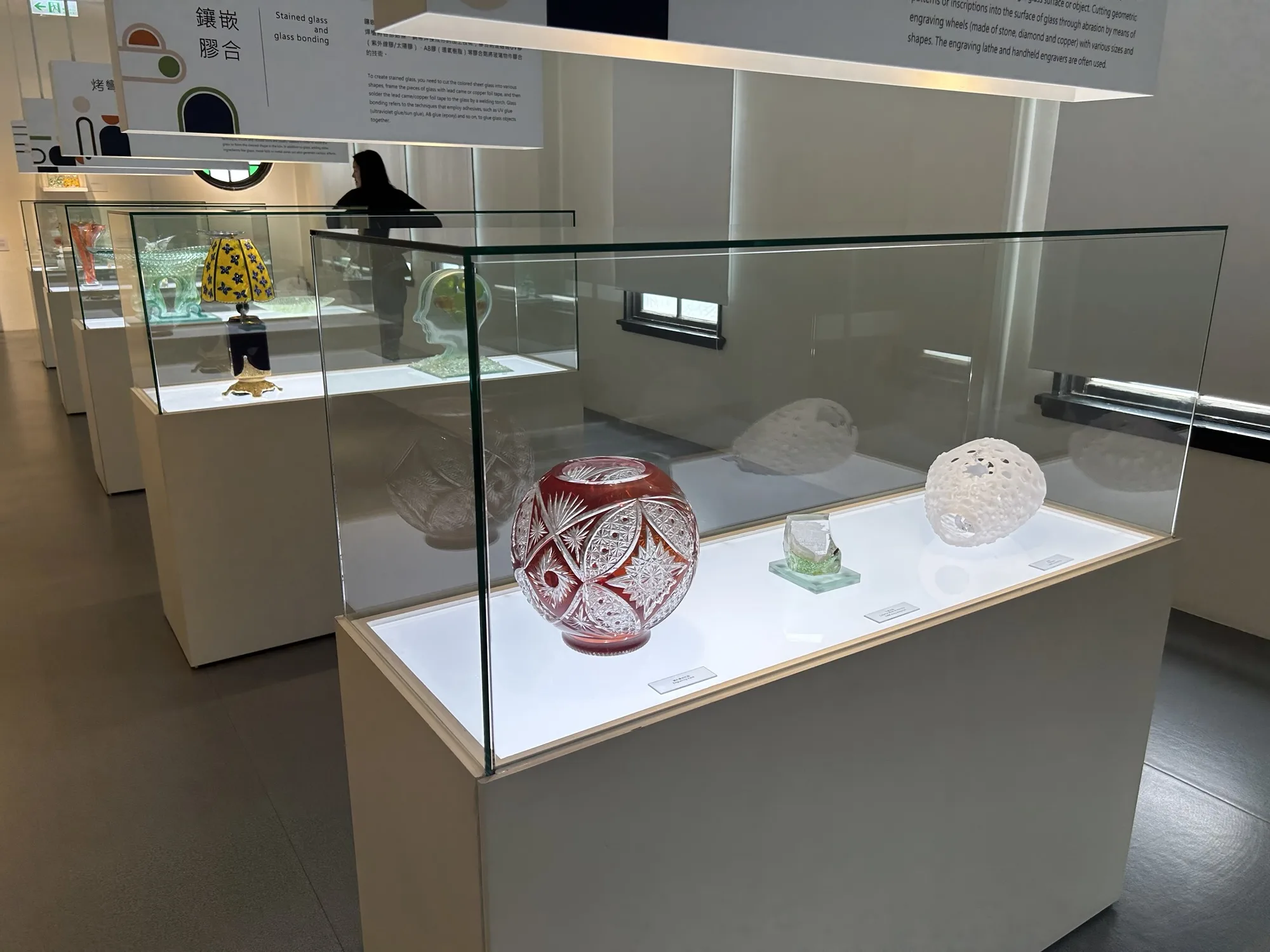
More amazing glass pieces.
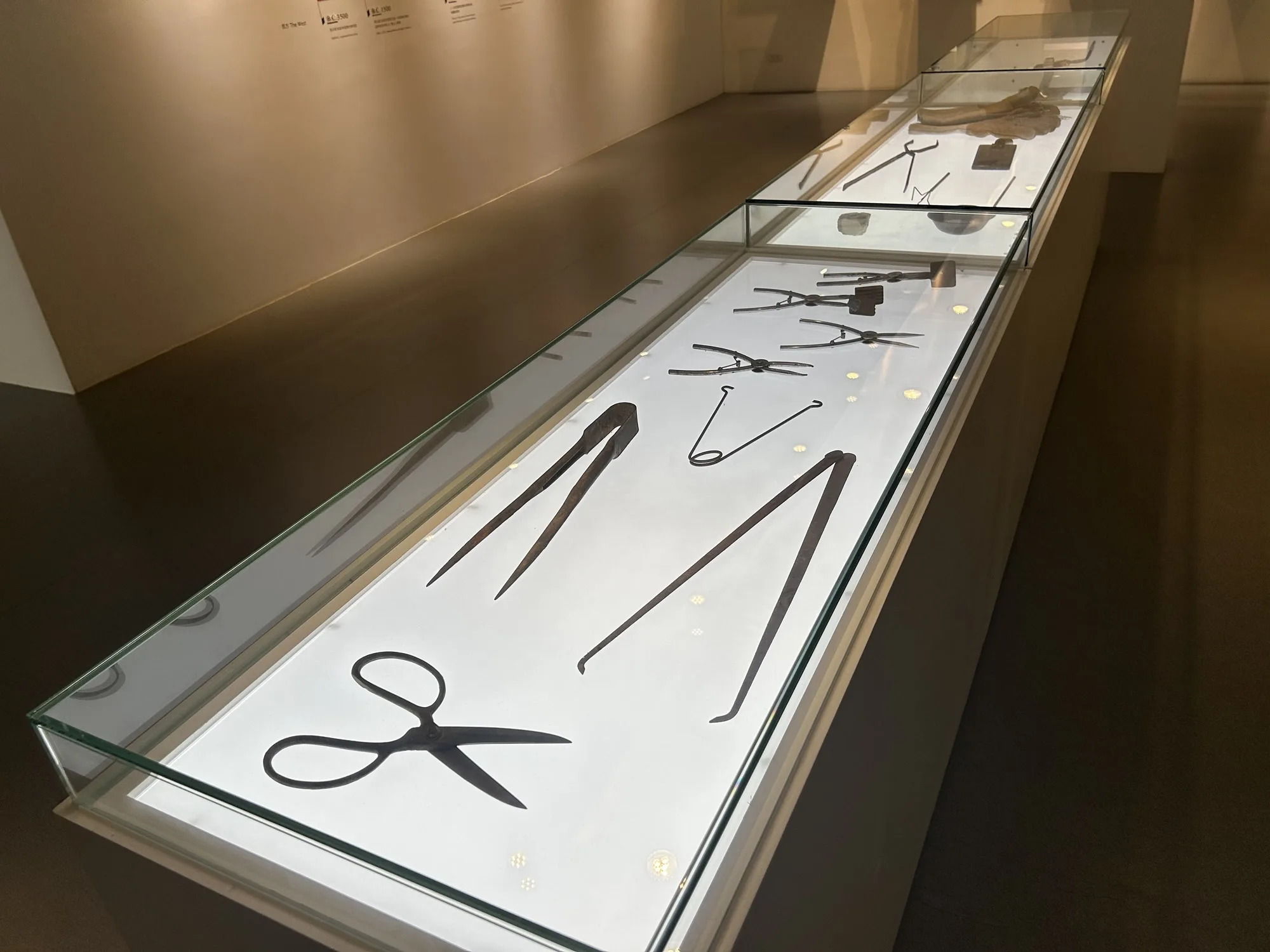
Glass-making tools.
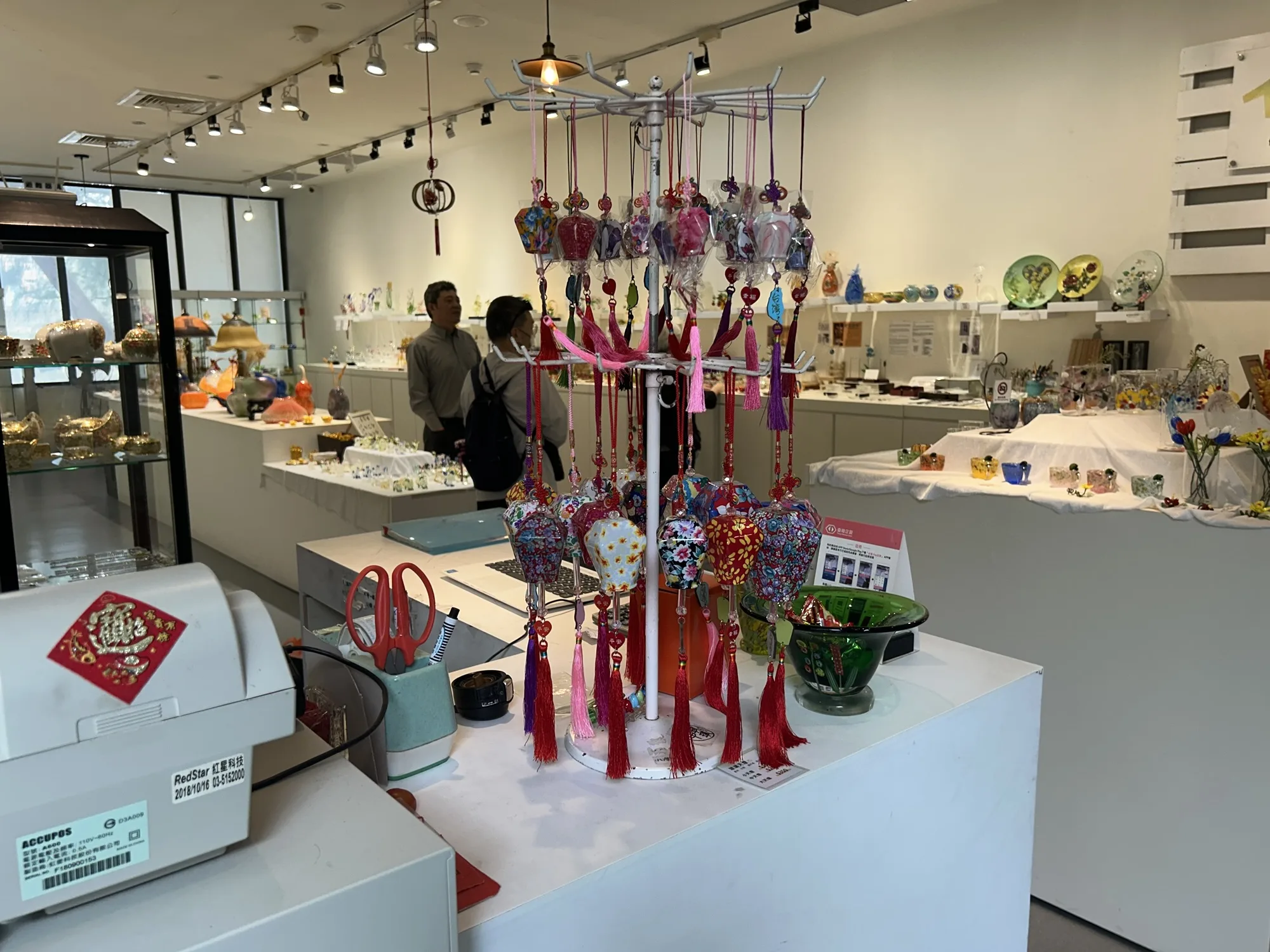
There is also a gift shop here.
Hsinchu Park
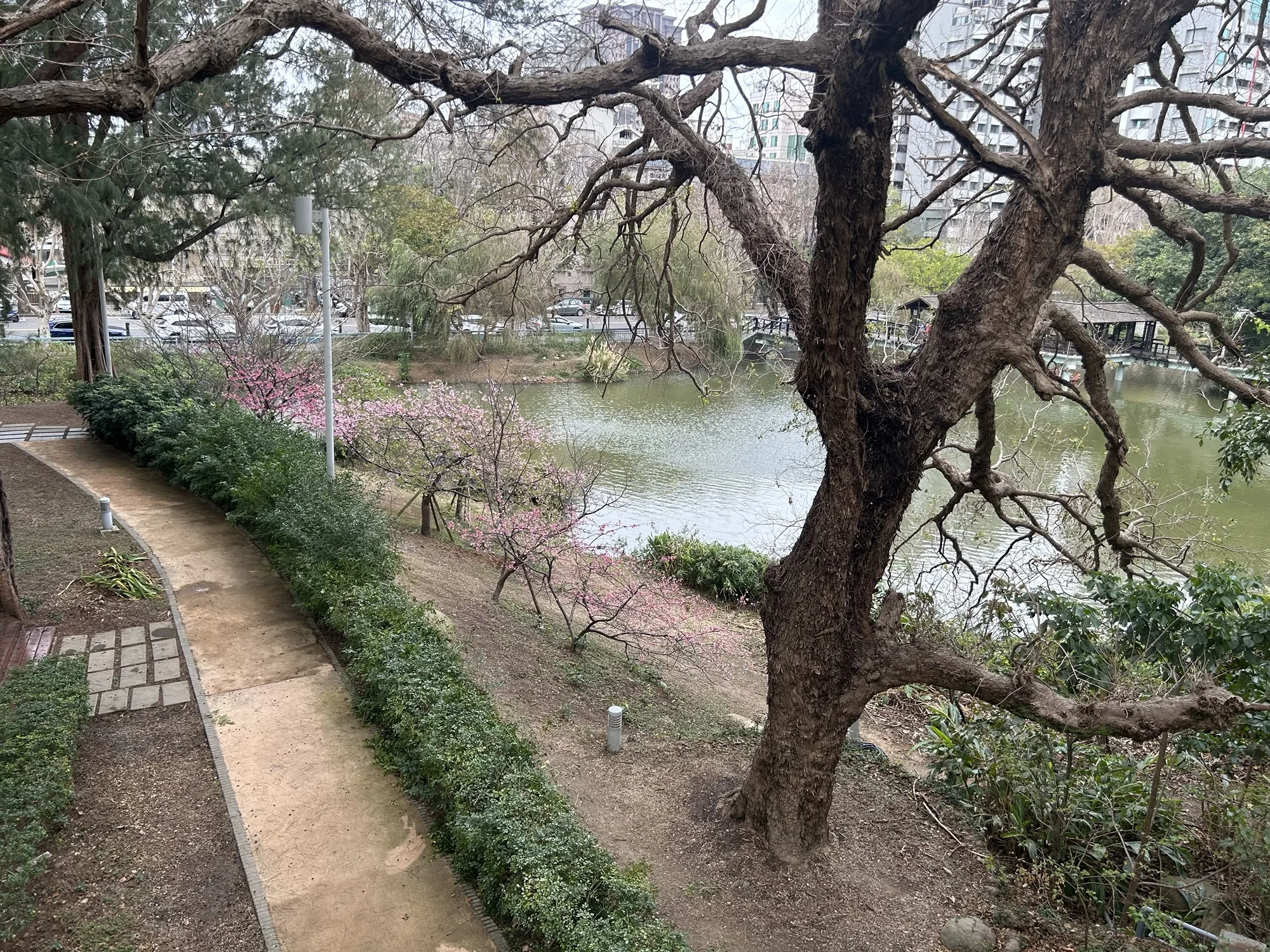
Hsinchu Park is full of historical and modern areas to explore. Here you can find a restored Japanese restaurant (which was also formerly an ROC dependents village)
, the Hsinchu Glass Museum, Hsinchu Confucius Temple, Qing Dynasty Fort, Hsinchu Zoo, and Hsinchu Flower Market. It is also the largest park in Hsinchu. If you don’t know what to do in Hsinchu, you can literally stay the entire day in this park.
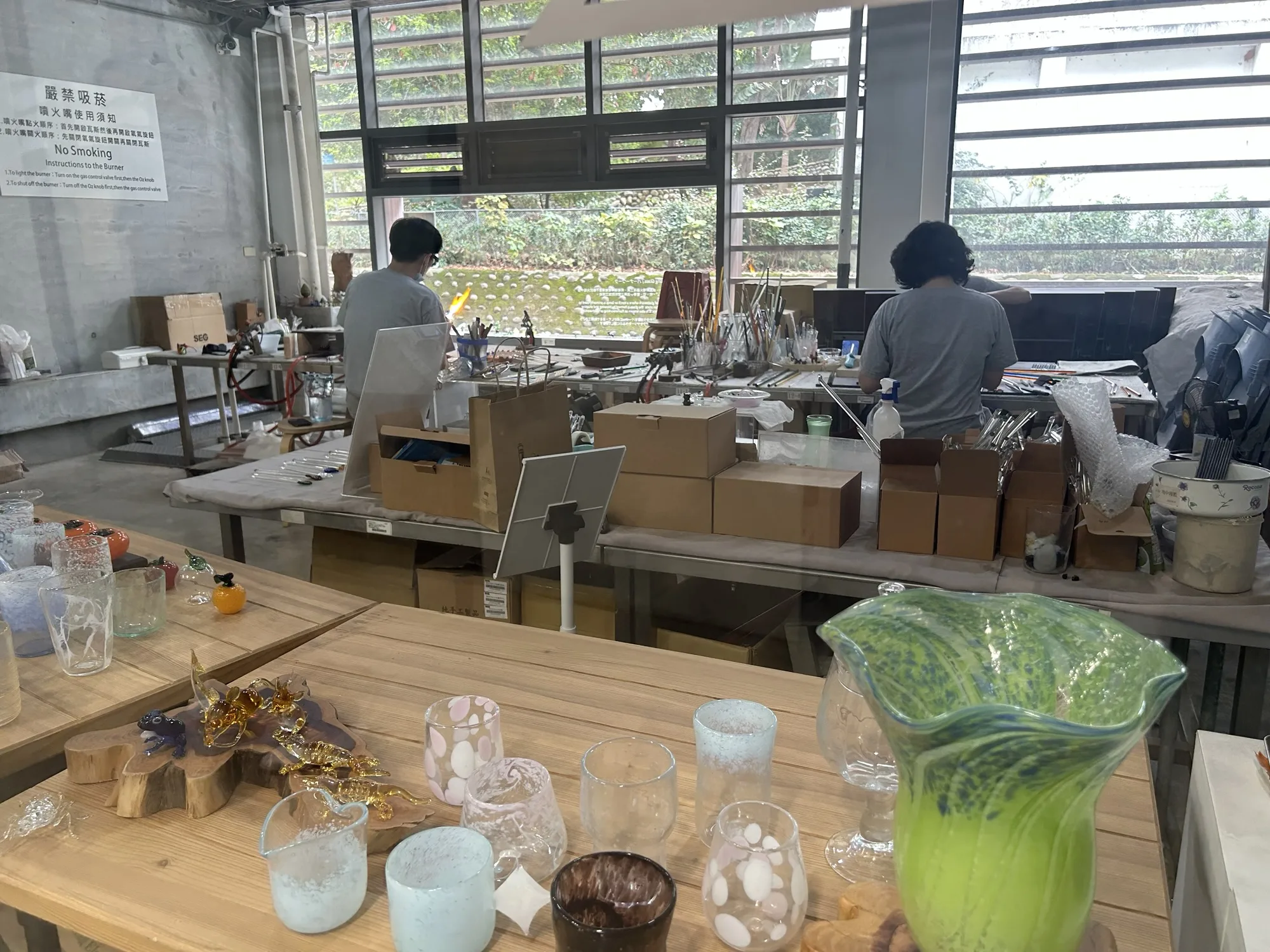
Next door, you can also take some glass making art classes for a fee.
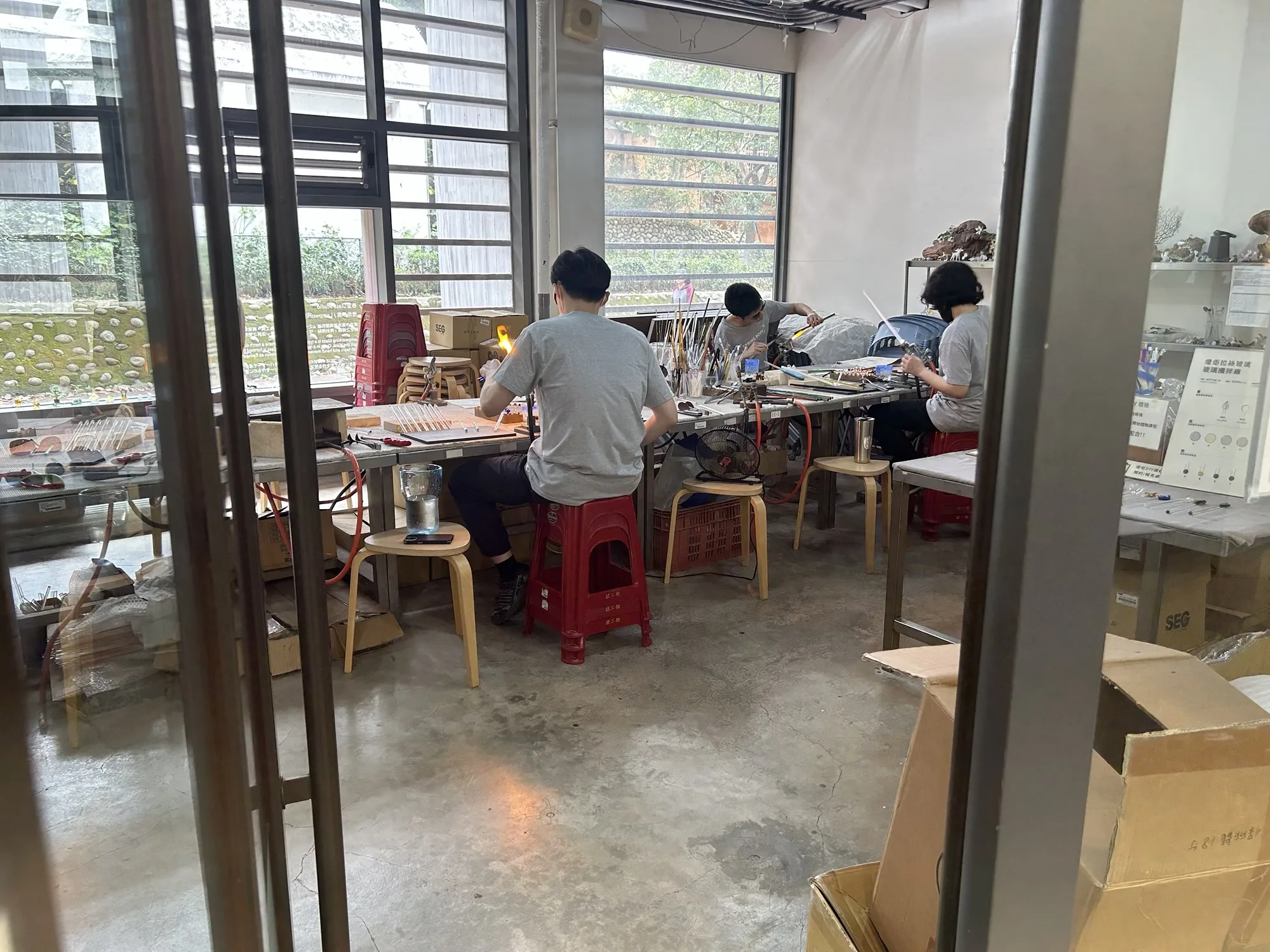
While we visited, we also saw some people making glass right before our eyes.
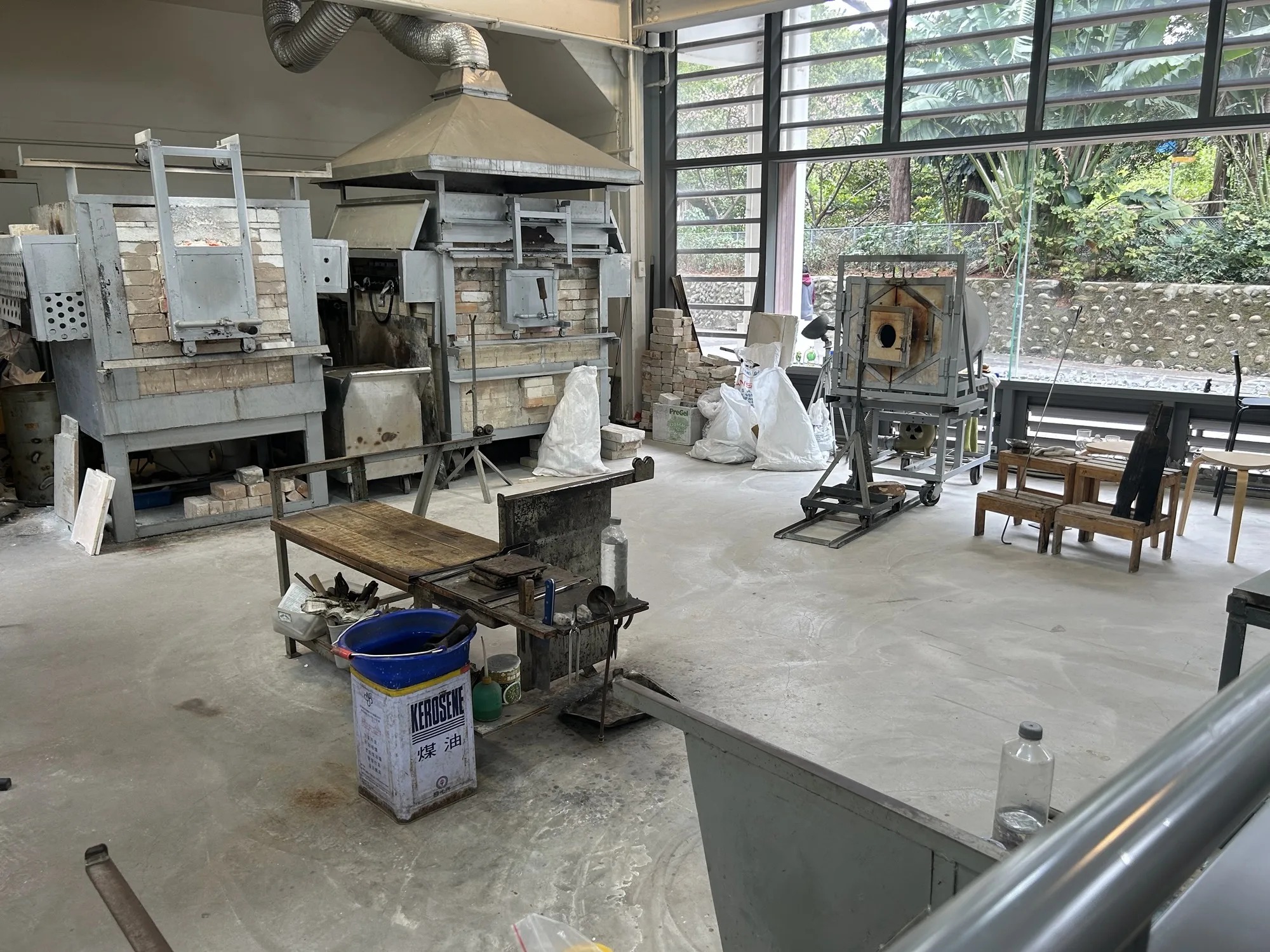
Glass making area.
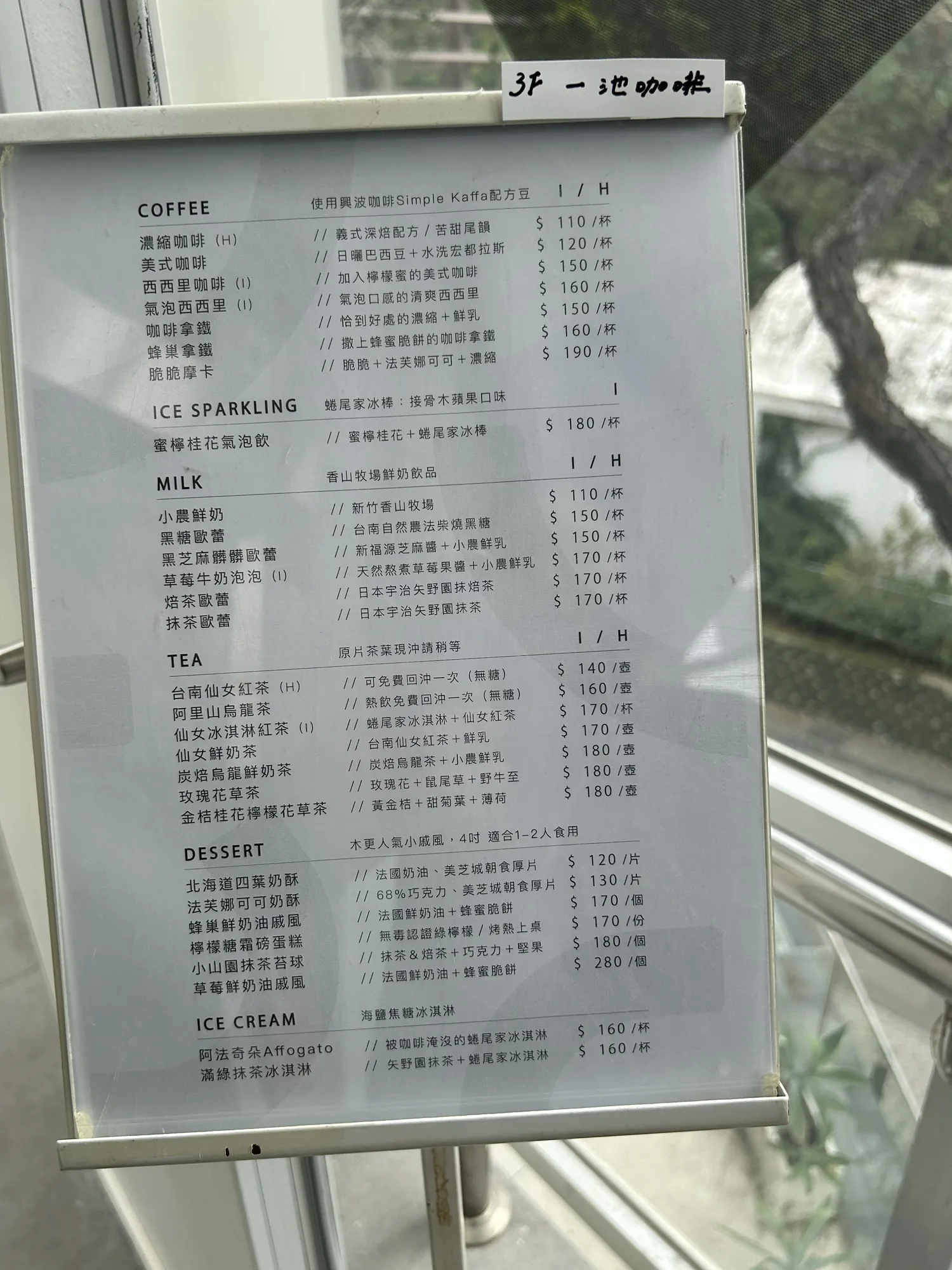
There was also a Coffee Shop above it.
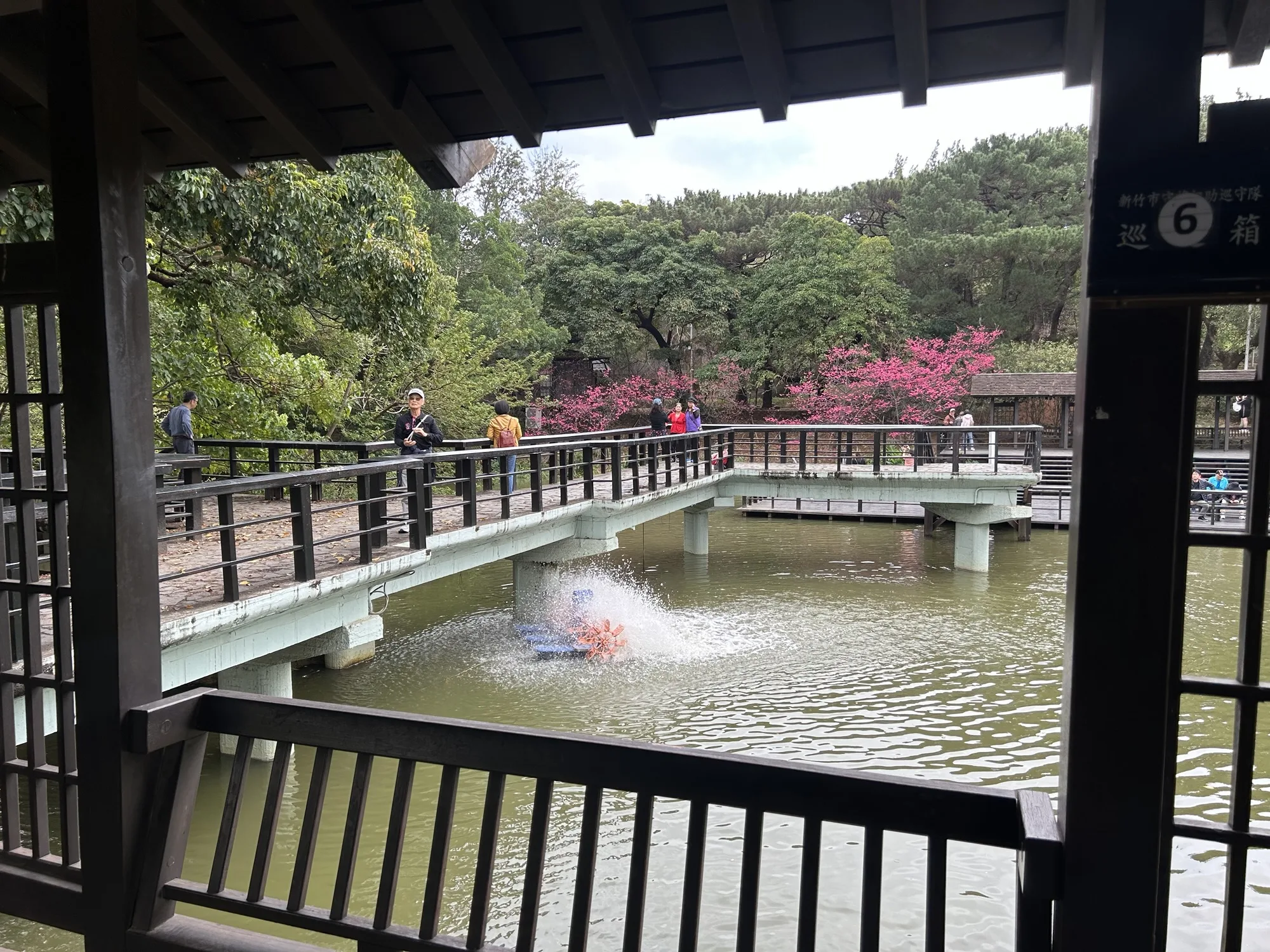
We also had a great time checking out Hsinchu Park.
Check out our guide to Hsinchu here.
You can also check out our full guide to Taiwan here.


