The Taishan Doll Museum (aka Taishan Barbie / Mattel Museum) is a small museum near the site of Mattel’s former factory in Taiwan, which was once home to the production of most of the world’s Barbie dolls. Here you can learn about the history of Mattel in Taiwan as well as its workers. You can also see hundreds of historical dolls on display here.
🏯 Planning your trip to Taipei? 🏮
Here are some top travel tips for you:
- Best time to visit: March-May, and October – November when the temperatures are nice and there is not as much rain
- You can buy tickets to Taipei’s Science Museum for a discount on Klook here
- How to get there: Taiwan High Speed Railway and Inter-City Bus
- Best places to stay: Yuanshan Grand Hotel or Fu Chang Hotel
- Book tours and activities in Taipei on Klook
- Stay connected with a local SIM
- Rent a car to explore distant sights
Historical Background:
The Mattel plant in Taishan began in the early 1960s as a joint venture between the U.S. toy maker and local Taiwanese investors. What started as a single workshop quickly expanded into a sprawling complex by the 1970s, employing thousands of workers and at its height producing well over one million dolls annually for export markets worldwide. The facility was organized into specialized departments—molding, painting, assembly, quality control, and packaging—where early automation technologies worked alongside skilled local craftspeople to achieve the company’s exacting standards. By transforming a once‐quiet rural district into a bustling manufacturing hub, the Taishan factory played a pivotal role in both the region’s economic development and Mattel’s rise as a global leader in the toy industry.
Hours:
9:30 AM to 5 PM, closed on Mondays
Price:
Free
Where to stay:
We recommend Fullon Hotel, which has locations in Tamsui and Fulong near the beach (book on Booking.com here, Tripadvisor here, Agoda here, or Hotels.com here).
We have stayed at and recommend Gold Mountain Ranch, which is a horse ranch and glamping destination in Jinshan. You can book a night at Gold Mountain Ranch on Klook here. You can also check out our full blog on the ranch here.
We have also stayed at and recommend Hai Xia Your Home, which is right in front of Fulong Beach (book on Booking.com here, Tripadvisor here, Agoda here, or Hotels.com here).
Activities in Taipei:
There are many activities available to enjoy in Taipei, such as kayaking, canoeing, snorkeling, SUP/paddle boarding, water biking, and more activities, which you can book on Klook here or KKday here.
How to get there:
By Car/Scooter: From Taipei, take Provincial Highway 1 southwest to Taishan and then turn onto Highway 106. Turn onto Lane 26, Fengjiang Road. There is paid parking under the museum location, which Taishan District Local Cultural Center.
Looking for scooter rental in Taipei? You can search on Klook here or KKday here to search for options. You can also check out our scooter rental guide here.
If you are looking for car rentals, you can also search Qeeq here, Klook here, or KKday here. You can also check out our car rental guide here.
By MRT/Bus: Take the airport line MRT to Xinzhuang Fuduxin. The museum is within walking distance. You can also book an MRT travel pass on Klook here.
By Bicycle:
Cycling is the best way to enjoy Taiwan’s landscapes if you have the time and energy. Looking for bicycle rentals in Taiwan? You can use Taiwan’s many Youbike sharing stations, or search for rentals on KKday here, and search for tours on Klook here. You can also check out our Taiwan cycling guide here. You can also book a Sunset Riverside Bike Ride and Historical Tour, 4 Hour Cycling in Taipei, Ultimate 8-Hour Cycling City Tour, or Taipei City Bike Tour with Night Market Experience on TripAdvisor here.
For more information, check out our Taiwan transportation guide here.
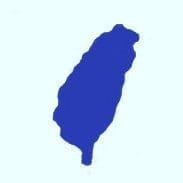
Map:
Please see below to see:
Our Journey:
I have been to the Taishan Barbie Museum once. I first heard about it from the Formosa Files Podcast, and my interest was piqued. I took my whole family there. Overall, it was an enjoyable experience, but I was sad that I was not allowed to take photos of the inside.
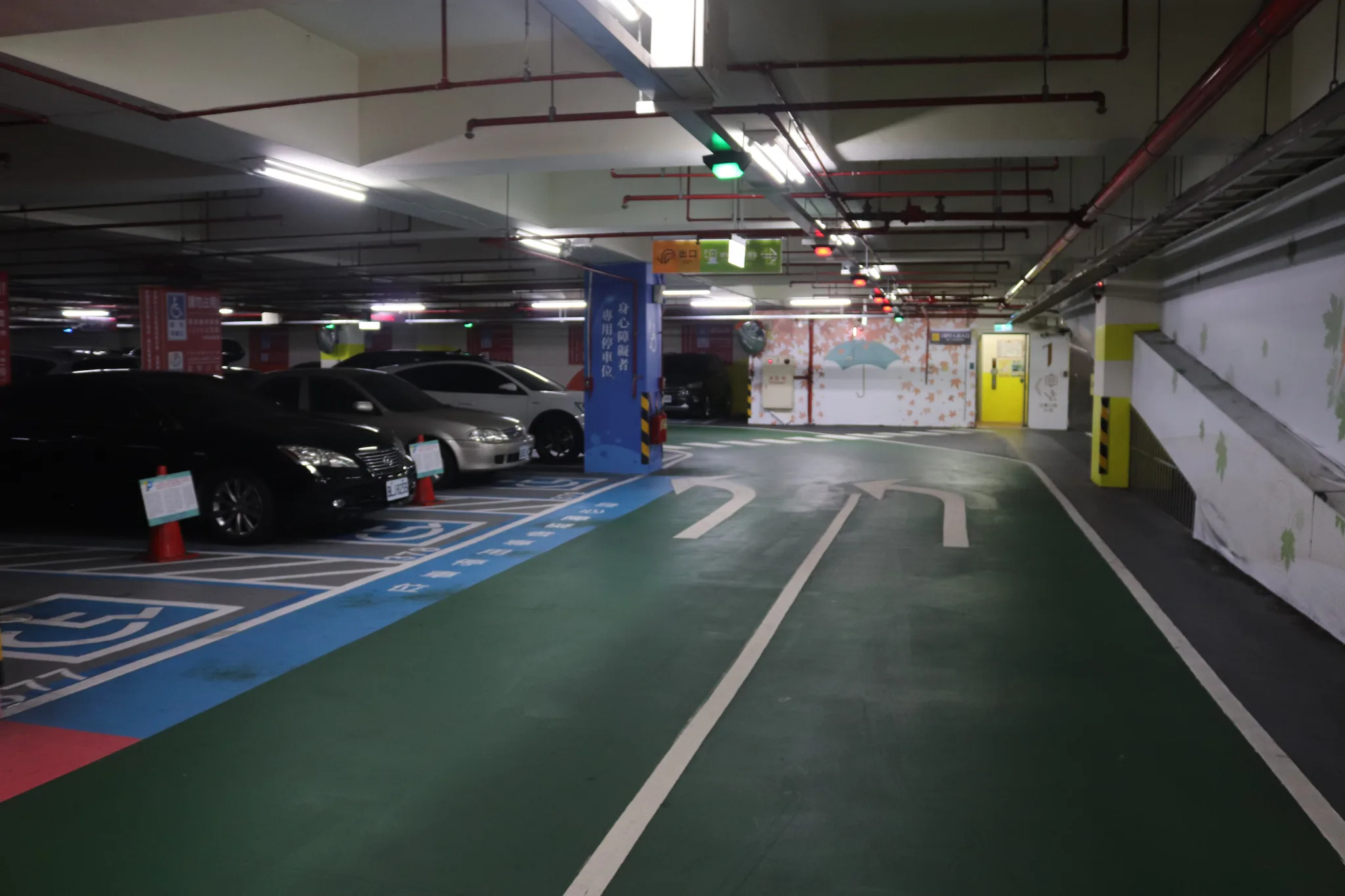
We drove a car, and parked here in the underground parking.
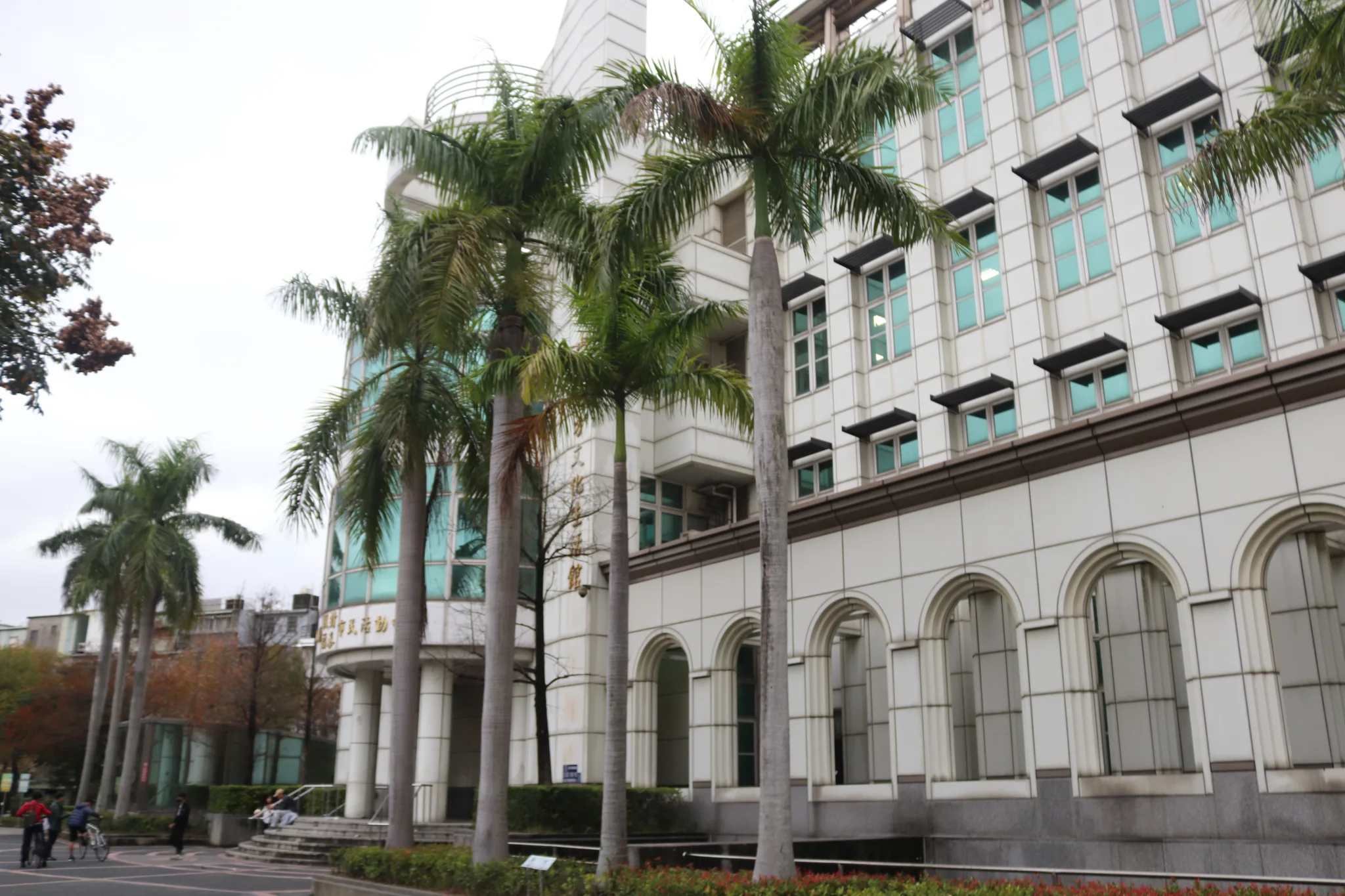
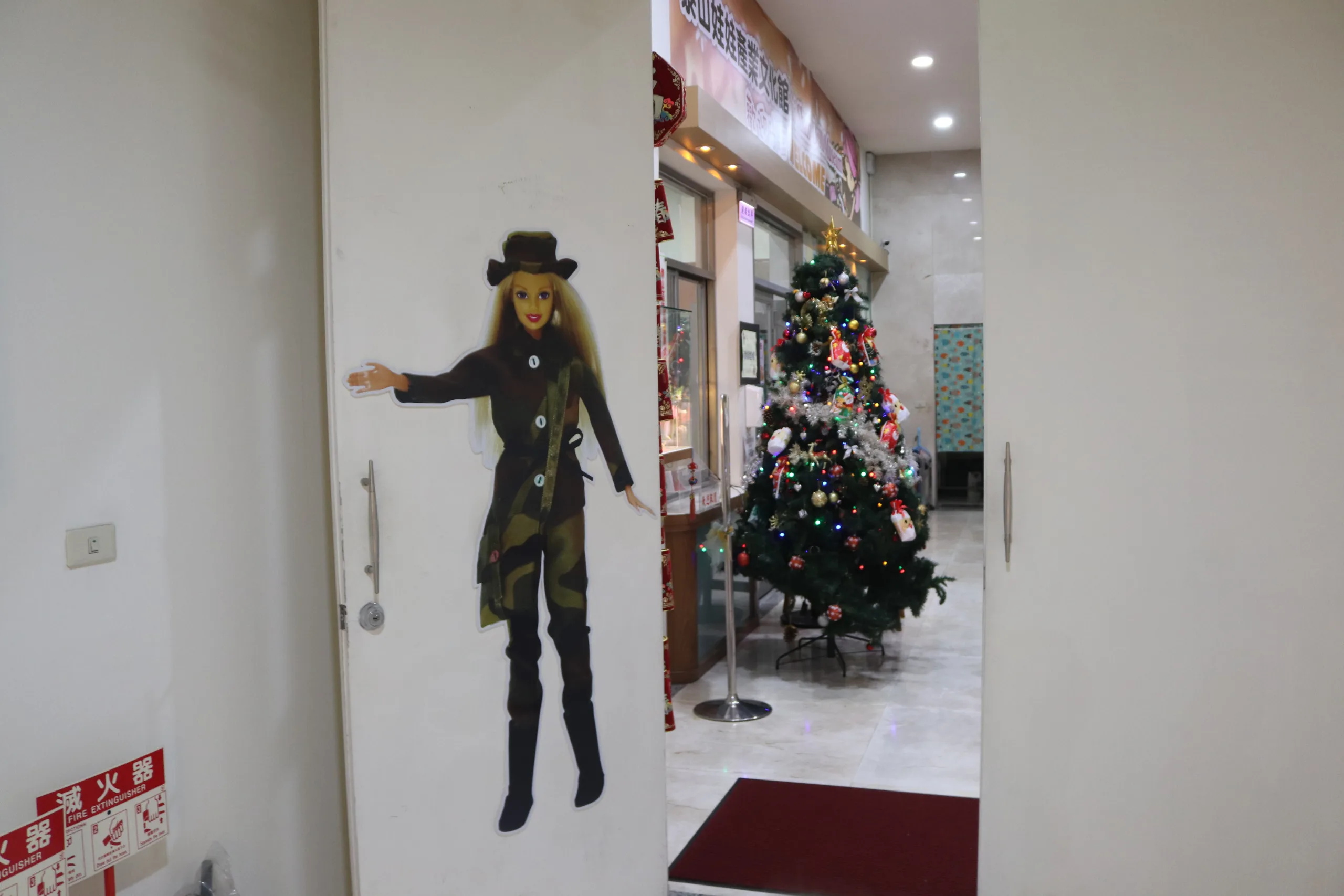
We made it to the outside of the Taishan Cultural Center.
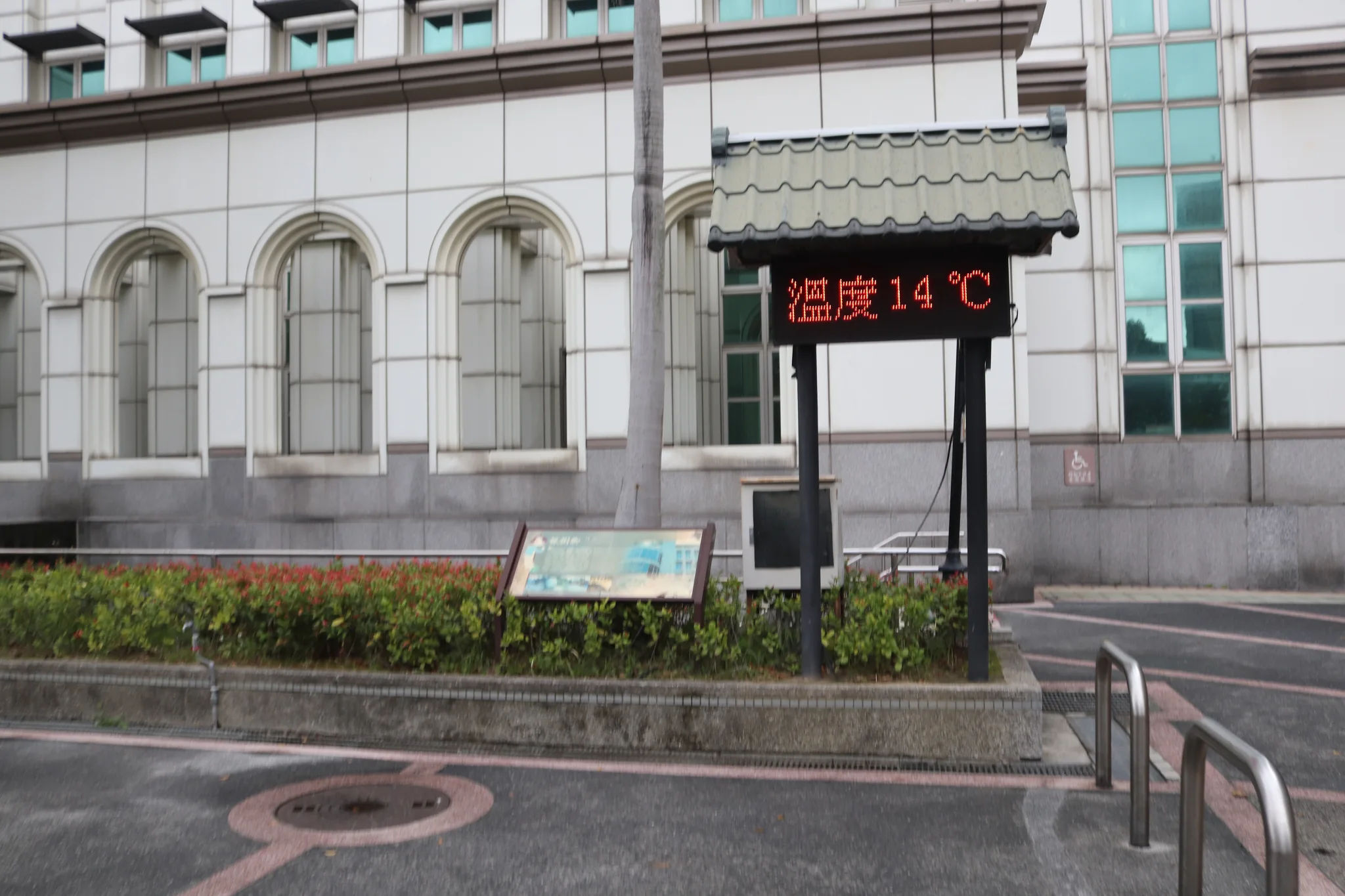
It was freezing outside at only 14 degrees. Burr!
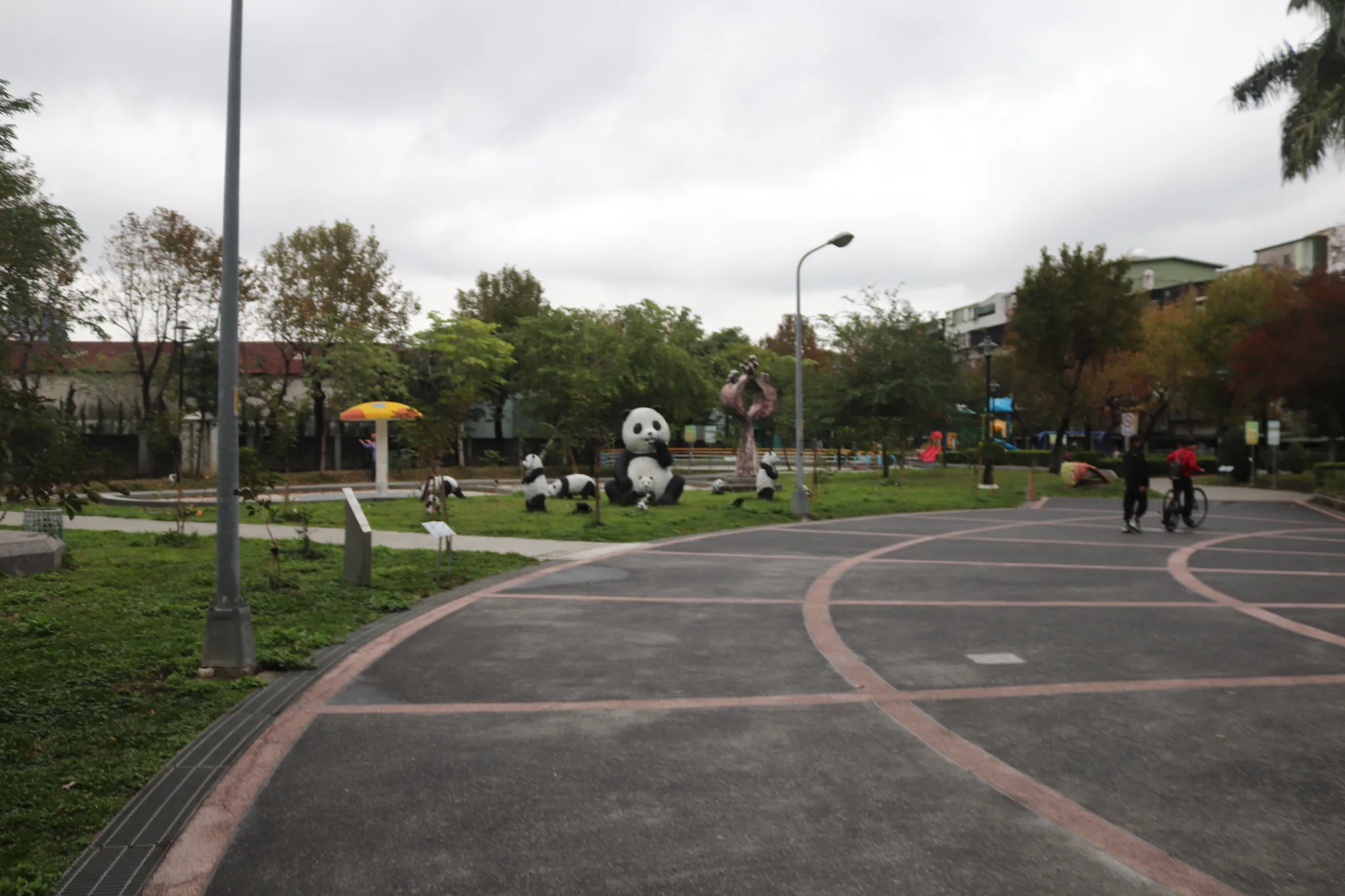
There was a small park and a panda display outside.
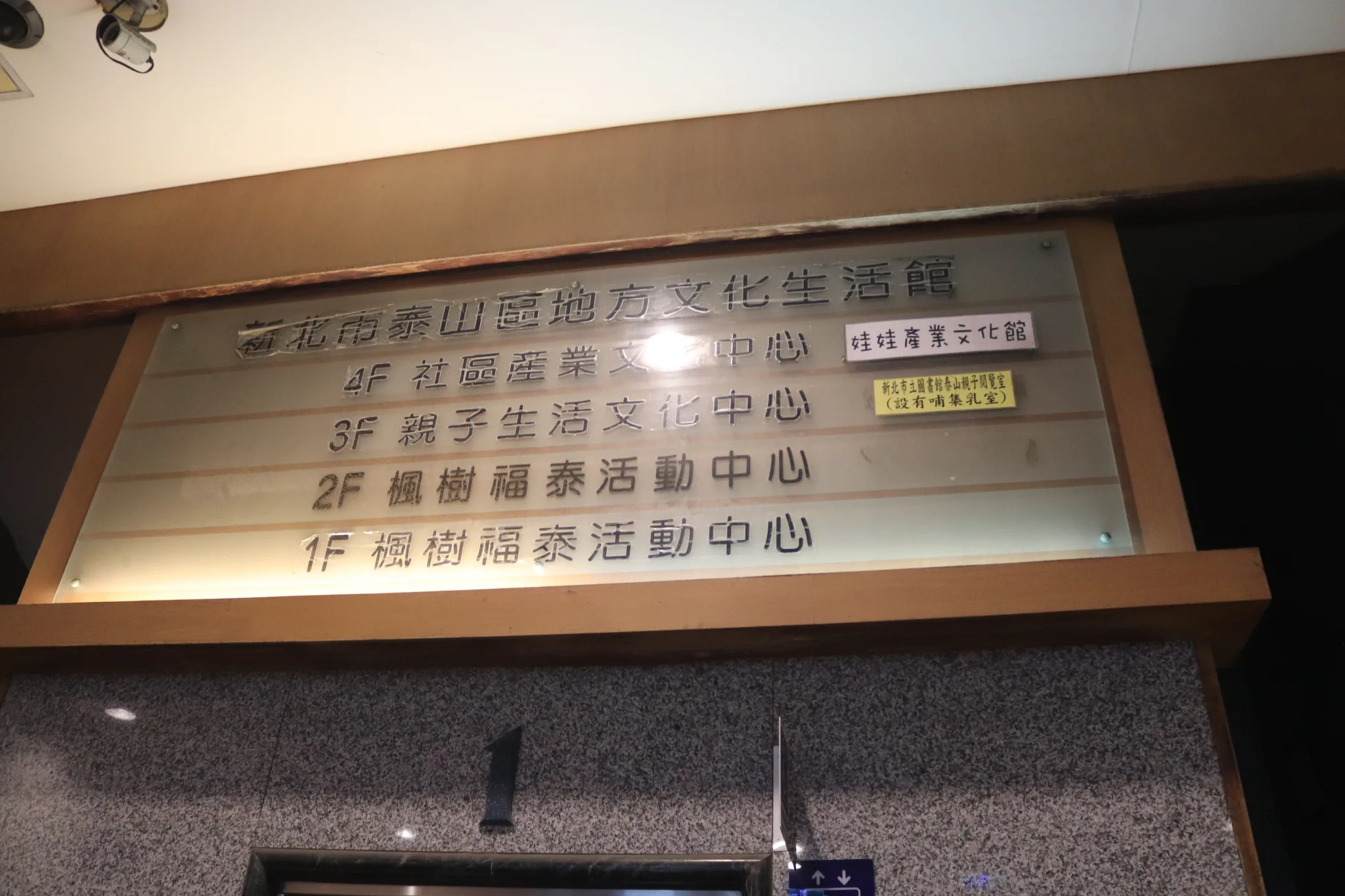
The doll museum is on the fourth floor.
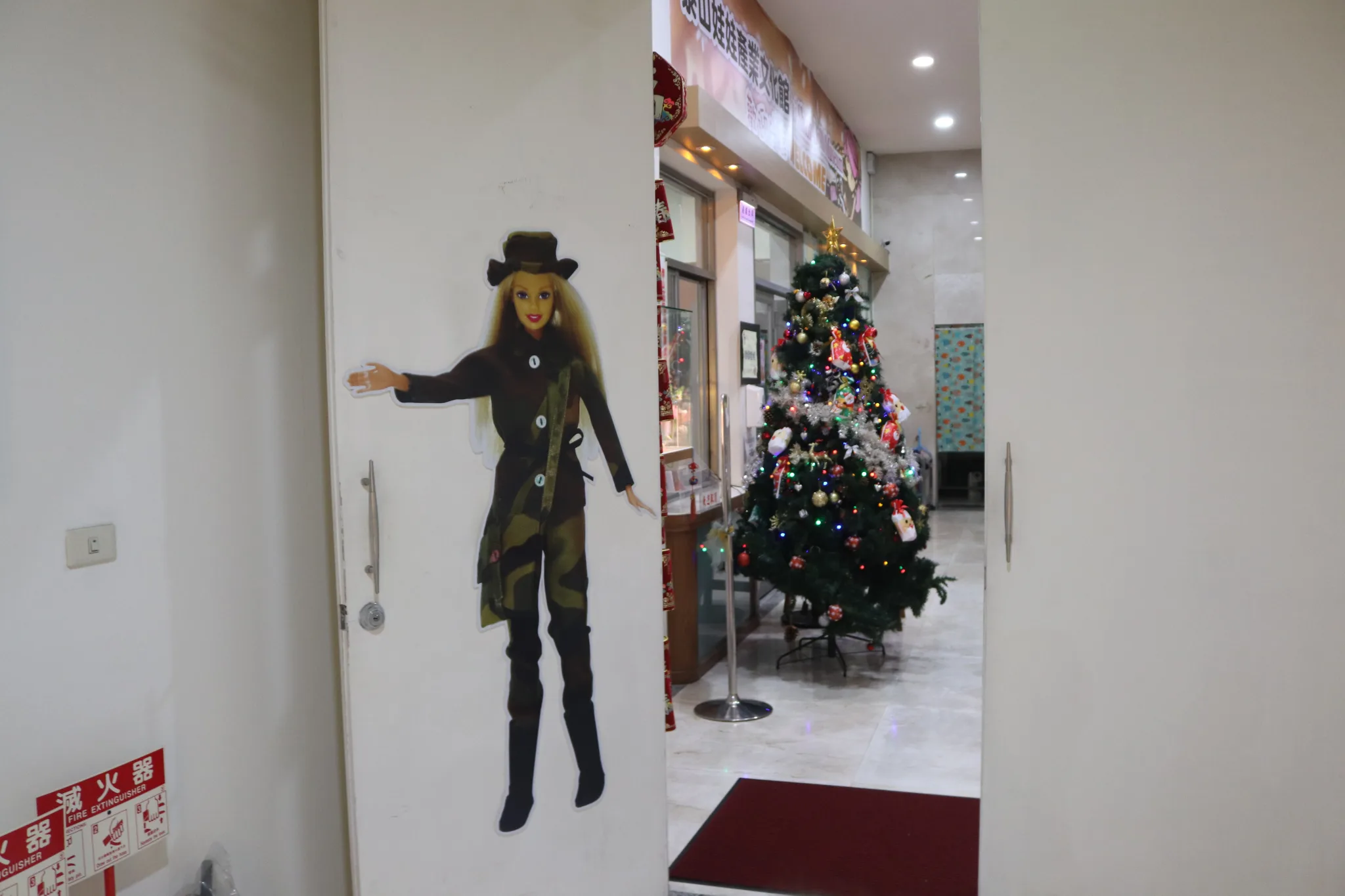
You have to sign in to enter the museum, and you cannot take photos inside.
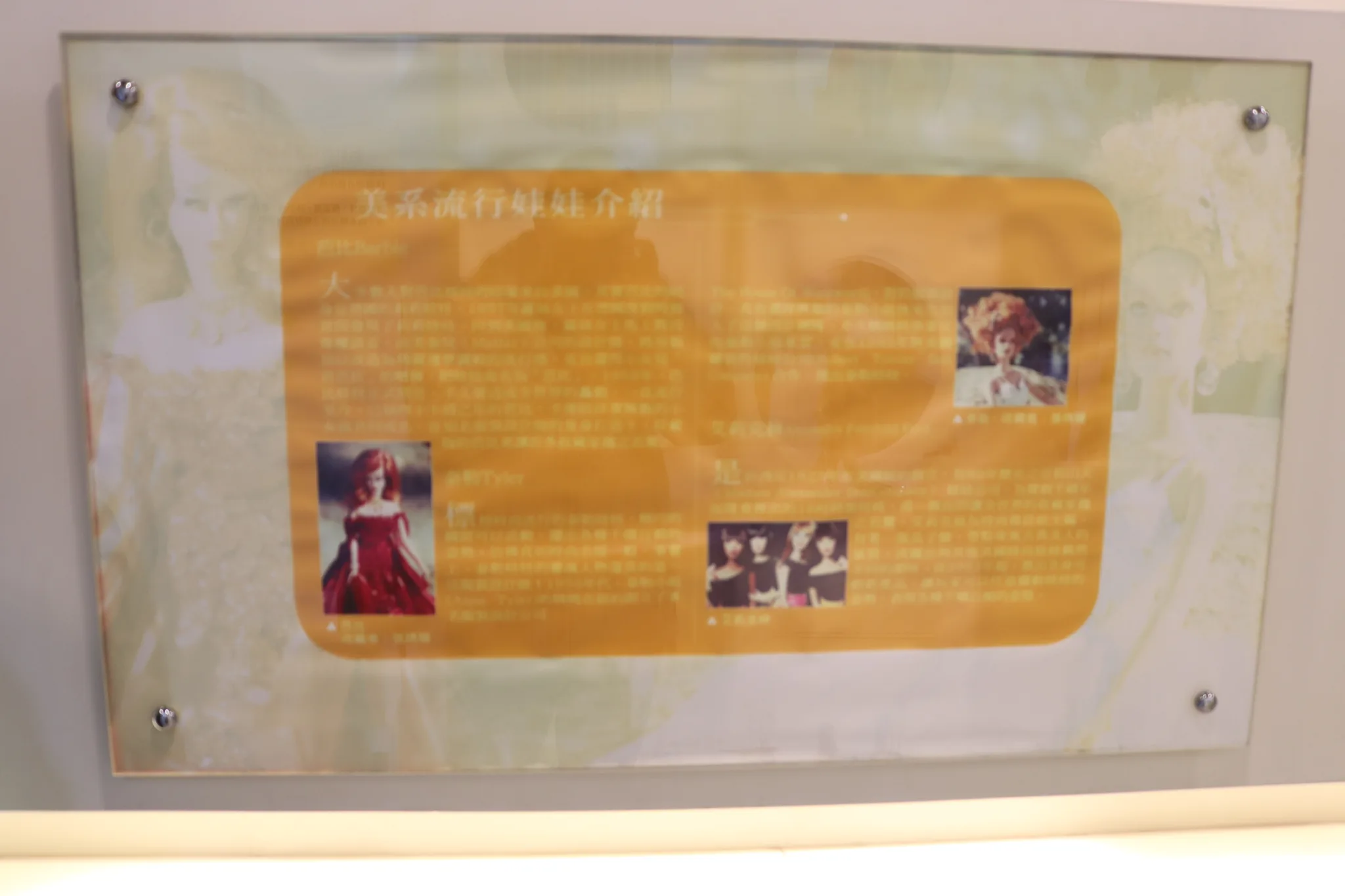
“美系流行娃娃介紹”
“Introduction to American Fashion Dolls”
• Barbie – Created in 1959 by Mattel, Barbie revolutionized the doll market. She was the first adult‐bodied fashion doll and has since appeared in hundreds of careers and hundreds of outfits.
• American Girl – Launched in the 1980s by Pleasant Company, these dolls each come with a historical back-story and companion book, aimed at teaching American history through imaginative play.
• Our Generation, Baby Alive, etc. – A short overview of later U.S. brands that targeted younger children with interactive features (feeding, talking, changing diapers), emphasizing lifelike play patterns
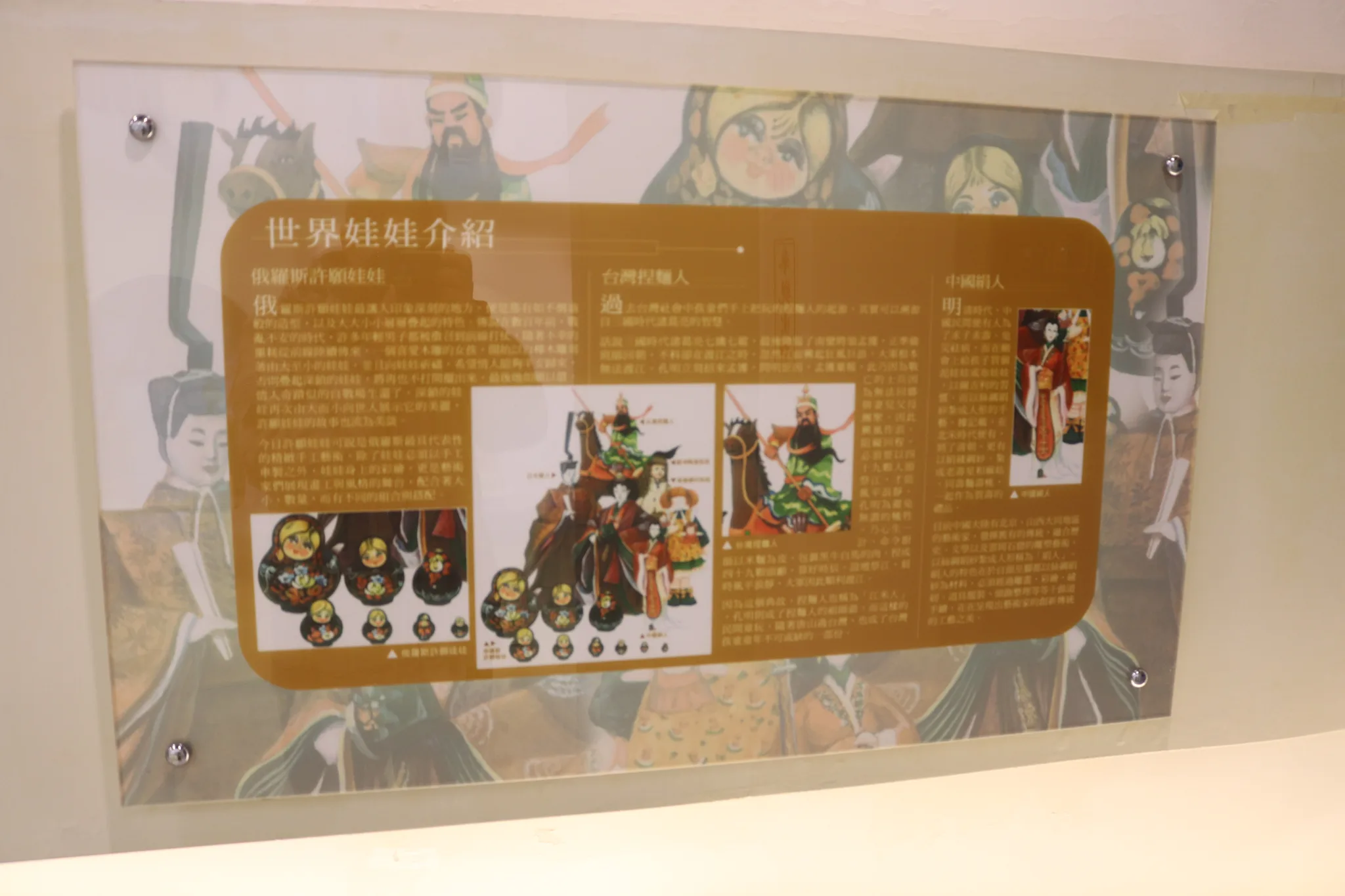
“世界娃娃介紹”
“Introduction to Dolls of the World”
- 俄羅斯套娃 “Russian Matryoshka Dolls”
Summary: Nested wooden dolls, each smaller doll fitting inside the next. Originating in late 19th-century Russia, they symbolize family unity and fertility. - 台灣原住民人偶 “Taiwan Aboriginal Dolls”
Summary: Hand-carved and woven dolls representing the island’s indigenous tribes. Used in ritual, festivals, and as teaching tools about each tribe’s dress, tools, and legends. - 中國明代陶娃 “Chinese Ming-Dynasty Clay Figurines.”
Summary: Glazed and unglazed pottery figures were once used as funerary objects or children’s toys. They depict court ladies, soldiers, animals, and mythic creatures, reflecting Ming-era aesthetics.
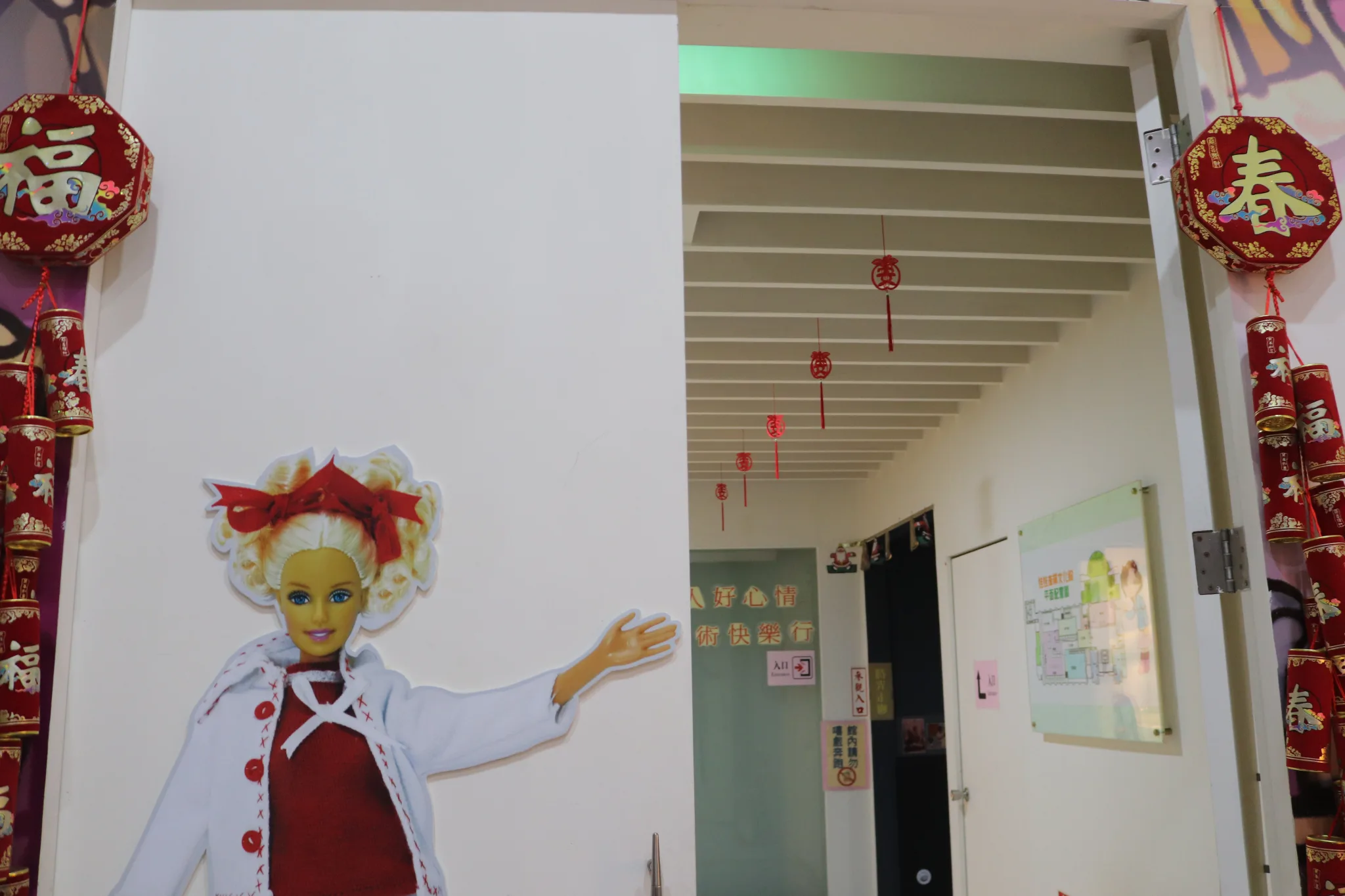
Exit to the museum.
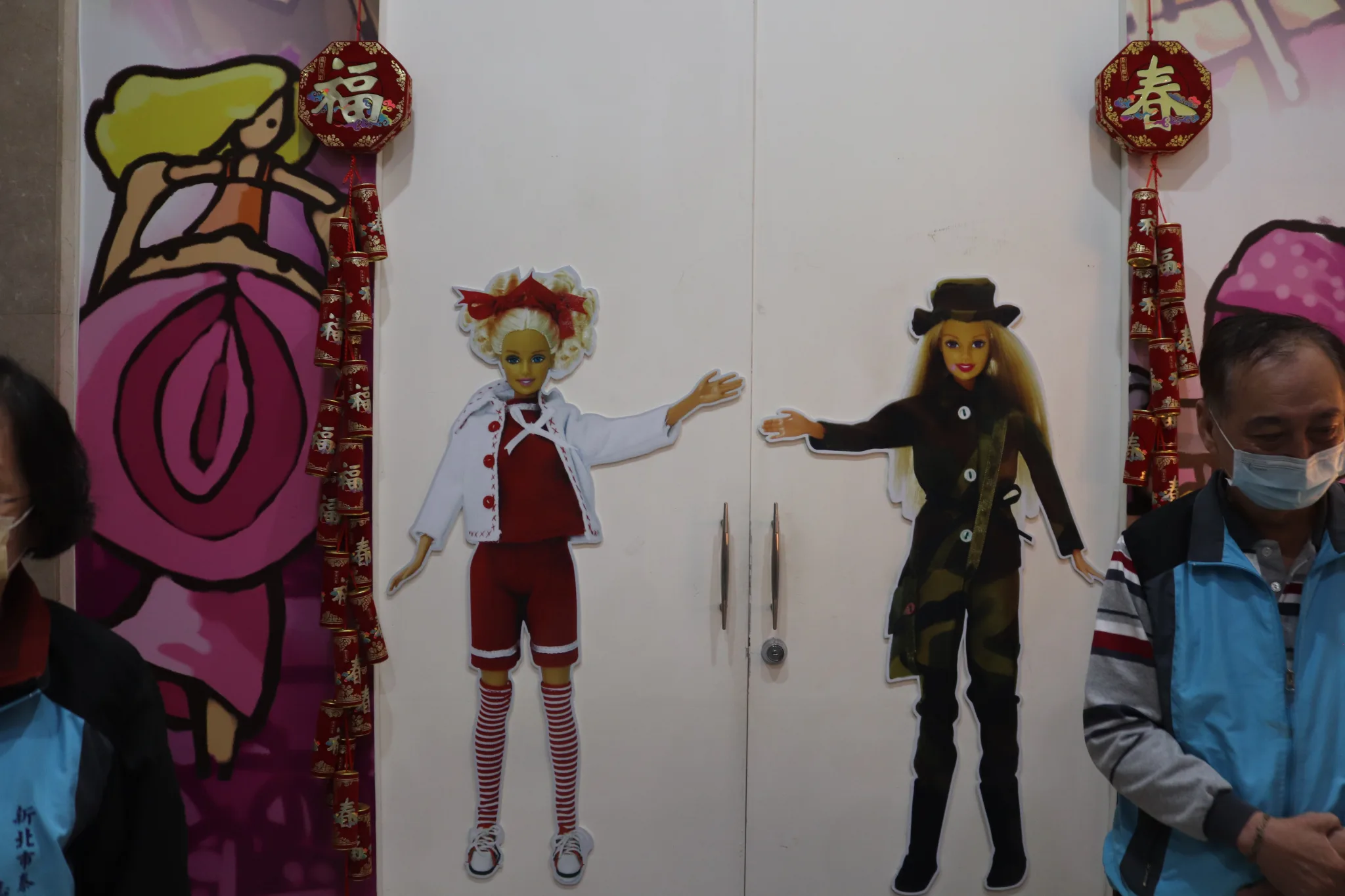
Closed doors as we were read the rules to the msuem.
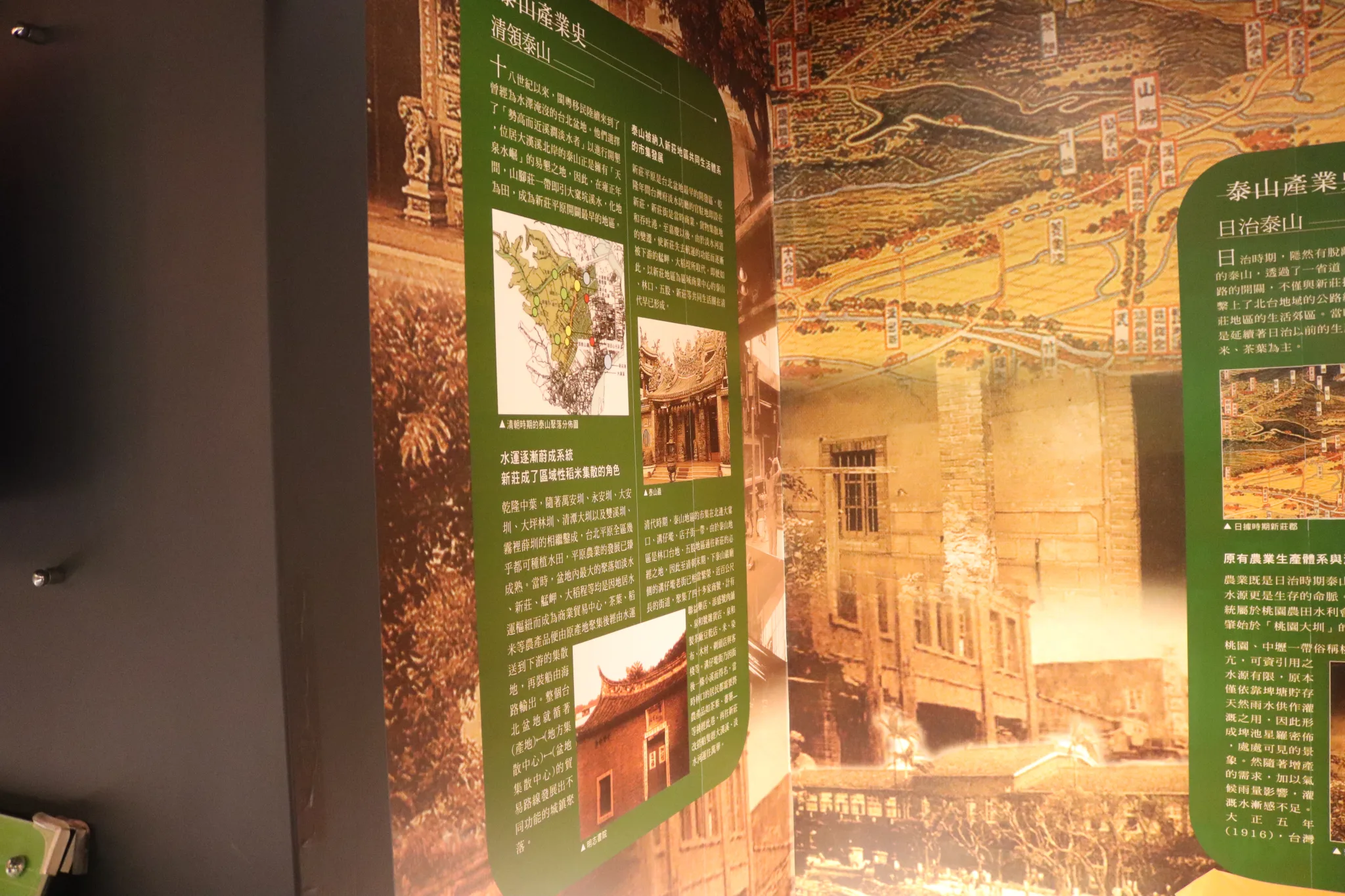
“泰山產業史” “Industrial History of Taishan”
“清領泰山” “Taishan under Qing Rule”
In the 18th and 19th centuries, Taishan was a rural hinterland supplying rice and tea to the lower basin. Water-control projects linked it to the Tamsui River, enabling small-scale mills and tea presses. Villages sprang up around ancestral shrines and river fords.
“日治泰山” “Taishan under Japanese Rule”
From 1895–1945, the colonial government paved roads and extended the railway. This turned Taishan into a hub for camphor, sugar, and camellia oil processing. Large distilleries and rice mills were built, and a modern administrative district took shape.
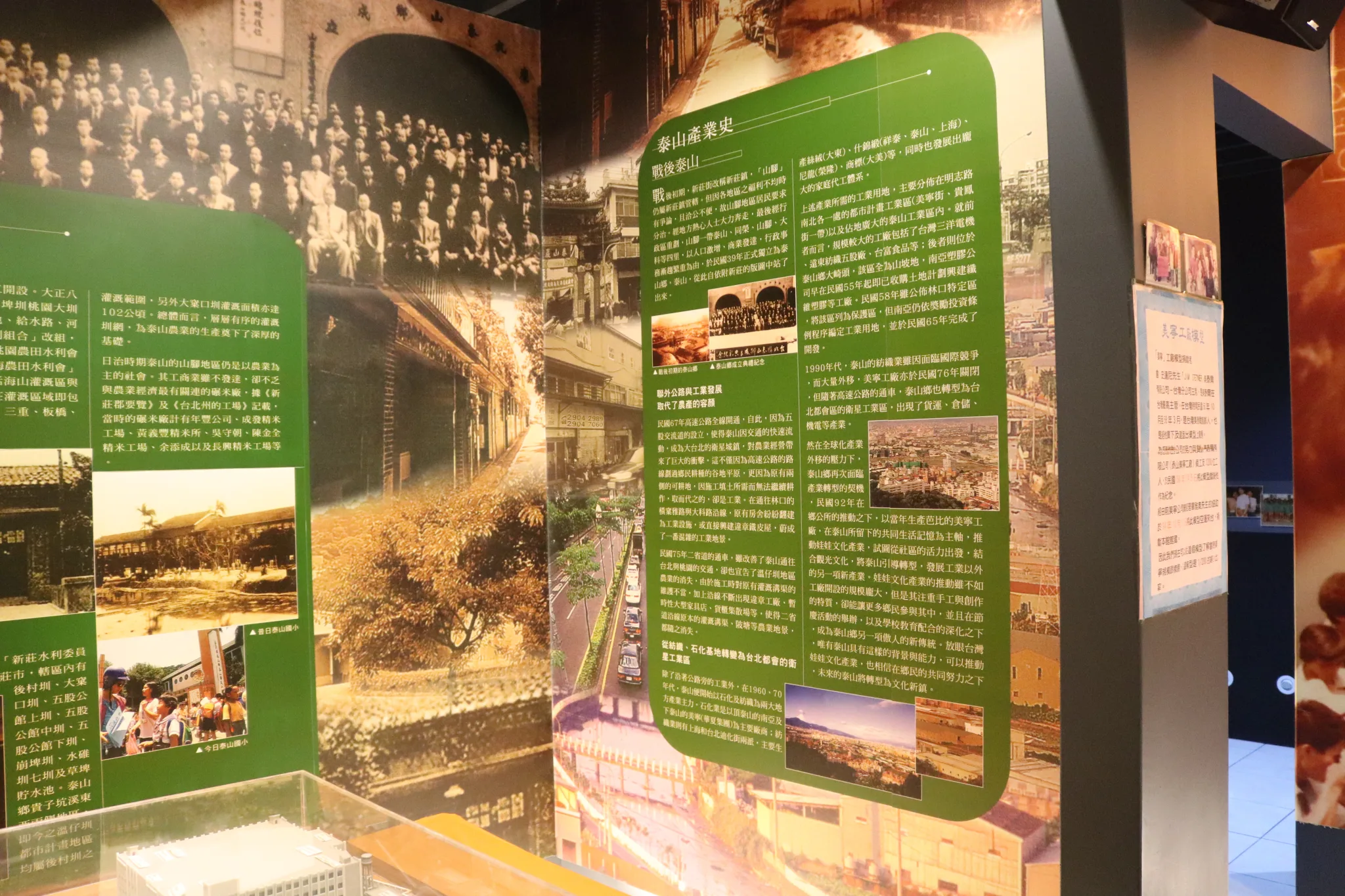
“戰後泰山” “Postwar Taishan”
Body summary: After 1945, industrial parks replaced old mills. Electronics, plastics, and textile factories arrived in the 1960s–70s, drawing migrant workers and creating urban sprawl. By the 1990s the old town’s factories had mostly closed or moved, giving way to commuter dormitories and light‐industry zones.
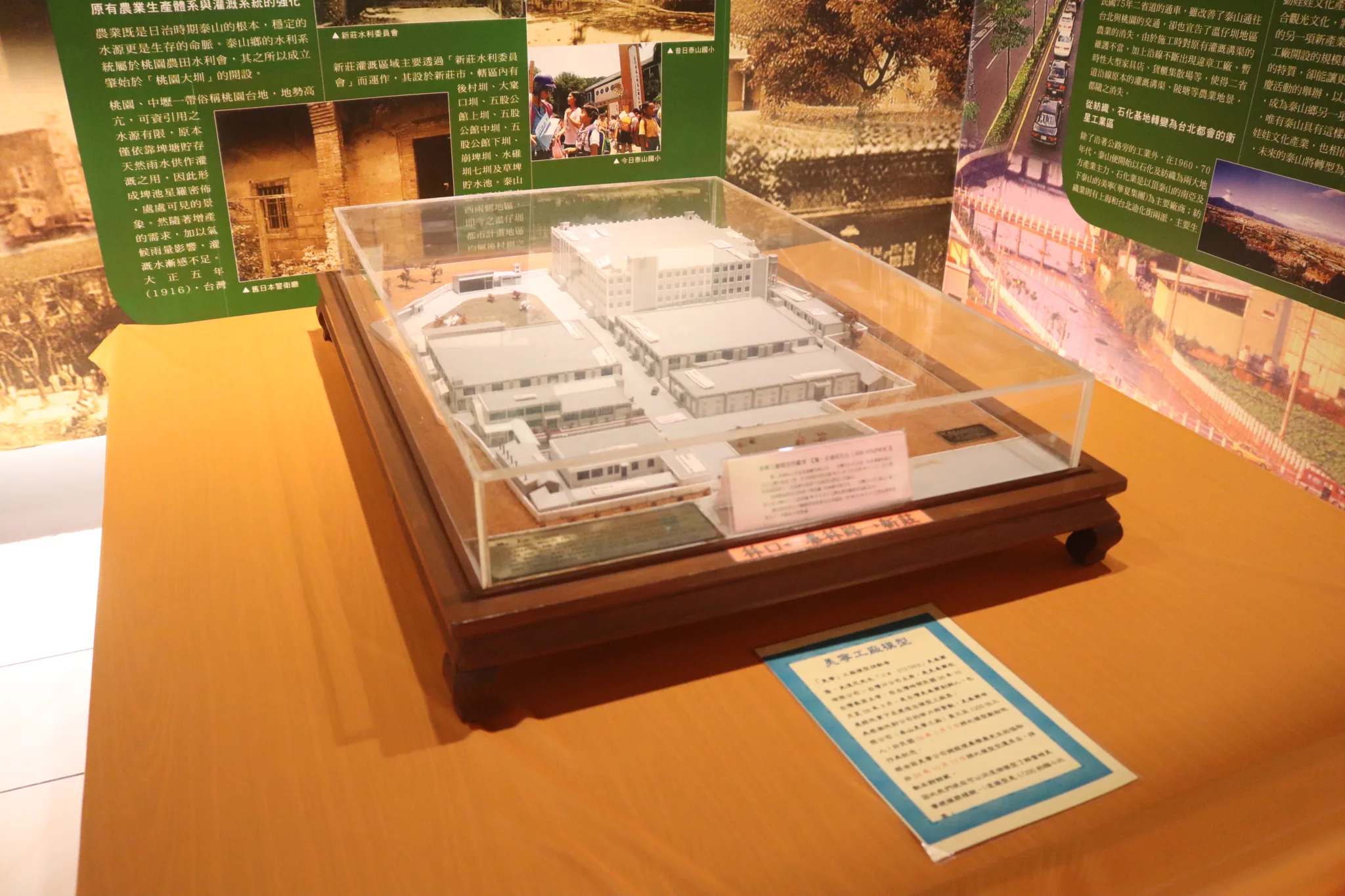
Model of the old Mattel Factory.
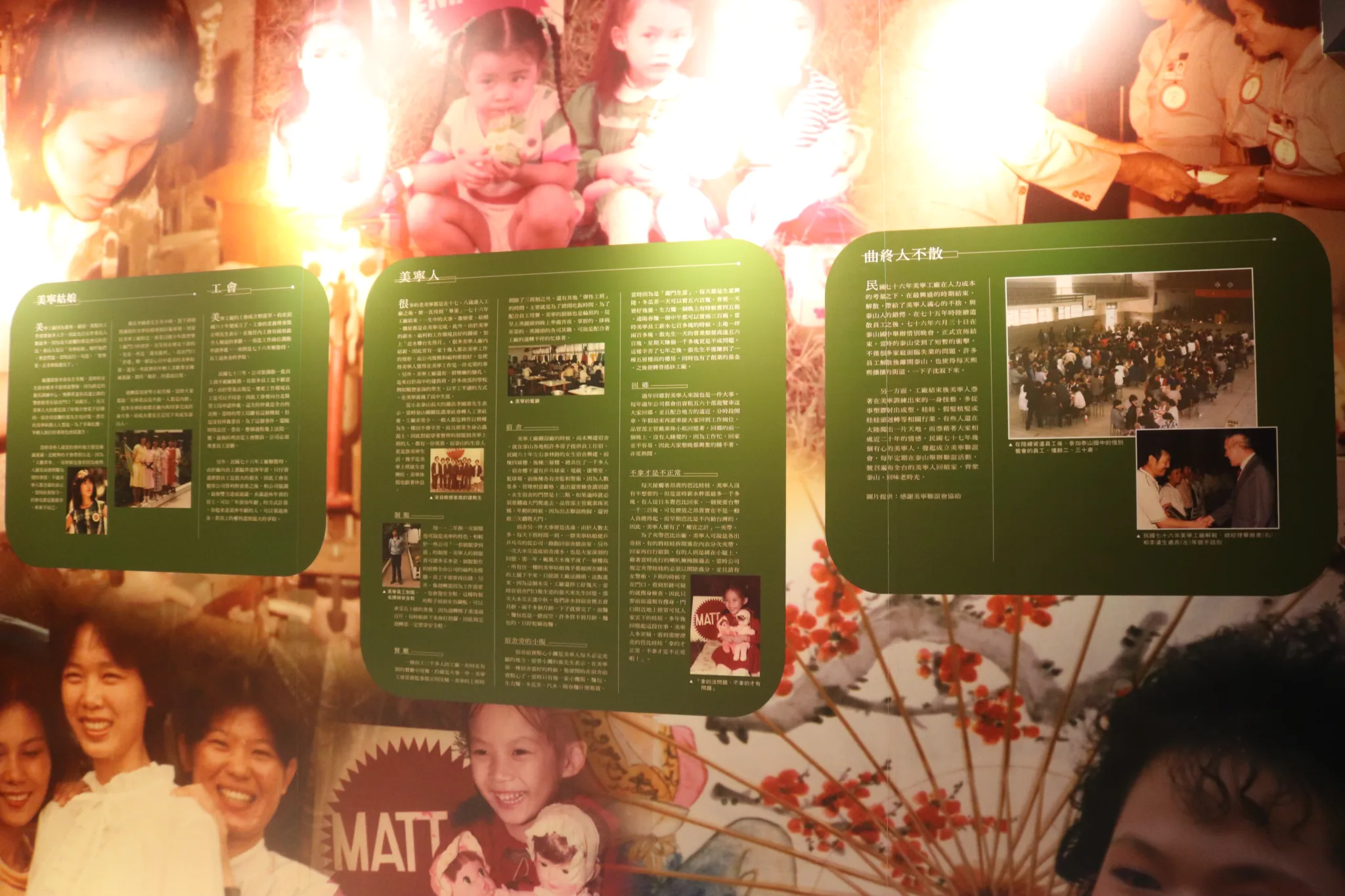
“娃娃社團” “Doll Clubs”
Local enthusiast groups first formed in the 1970s. Members swap outfits, trade accessories, and hold monthly meet-ups to display their collections. Some clubs even bring in overseas experts for guest lectures and styling workshops.
“娃娃人” “Doll Enthusiasts”
Profiles of four veteran collectors. Each shares how they discovered doll-collecting, their favorite rare pieces, and advice for newcomers on maintenance, repair, and ethical trading.
“曲終人不散—” “When the Music Ends, the People Stay Together”
Body summary: Describes an annual doll convention that has run unbroken since 1985. Despite the fanfare of contests and performances, the true highlight is the late-night swap sessions and camaraderie that keep members returning year after year.
“美華工廠” “The Mattel Factory”
Outlines the location and footprint of the original Xinzhuang plant. Built in 1960, it grew from a single workshop to a sprawling complex by the 1970s, employing thousands.
“美華工廠的成立與規模” “Establishment and Scale of the Mattel Factory”
Body summary: Traces the factory’s founding partnership between U.S. Mattel executives and Taiwanese investors. Details annual output, export destinations, and peak years when it produced over one million dolls annually.
“美華工廠的生產部門” “Production Departments of the Mattel Factory”
Describes major divisions—molding, painting, assembly, quality control, and packaging. Includes notes on how each department was organized, the use of early automation in the 1970s, and the role of local craftspeople in hand-finishing.
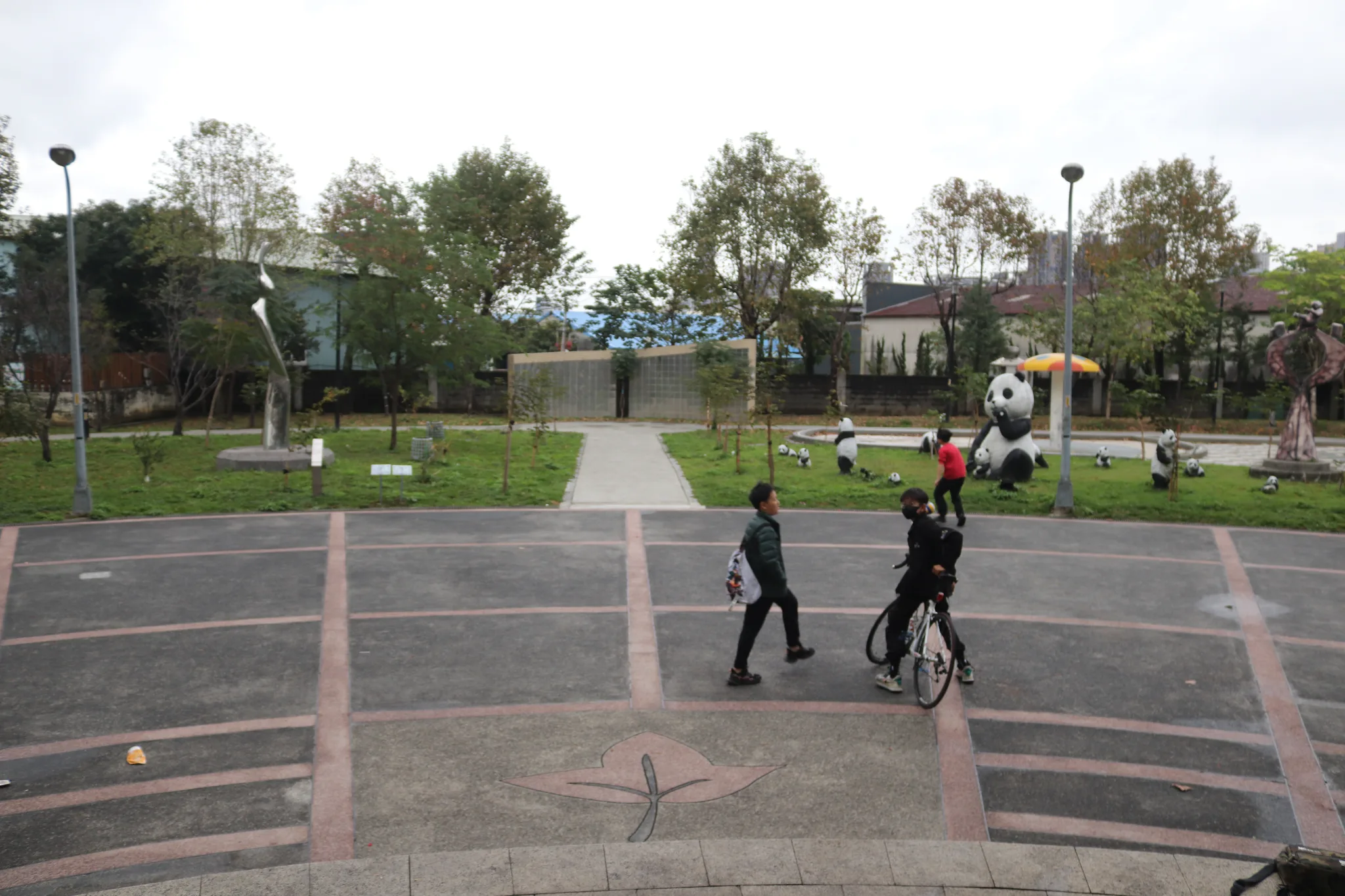
Sadly, I do not have photos of the hundreds of Barbie dolls in the museum. You can go discover them for yourself!
Taishan Gouzaiqian Old Street 泰山溝仔墘老街
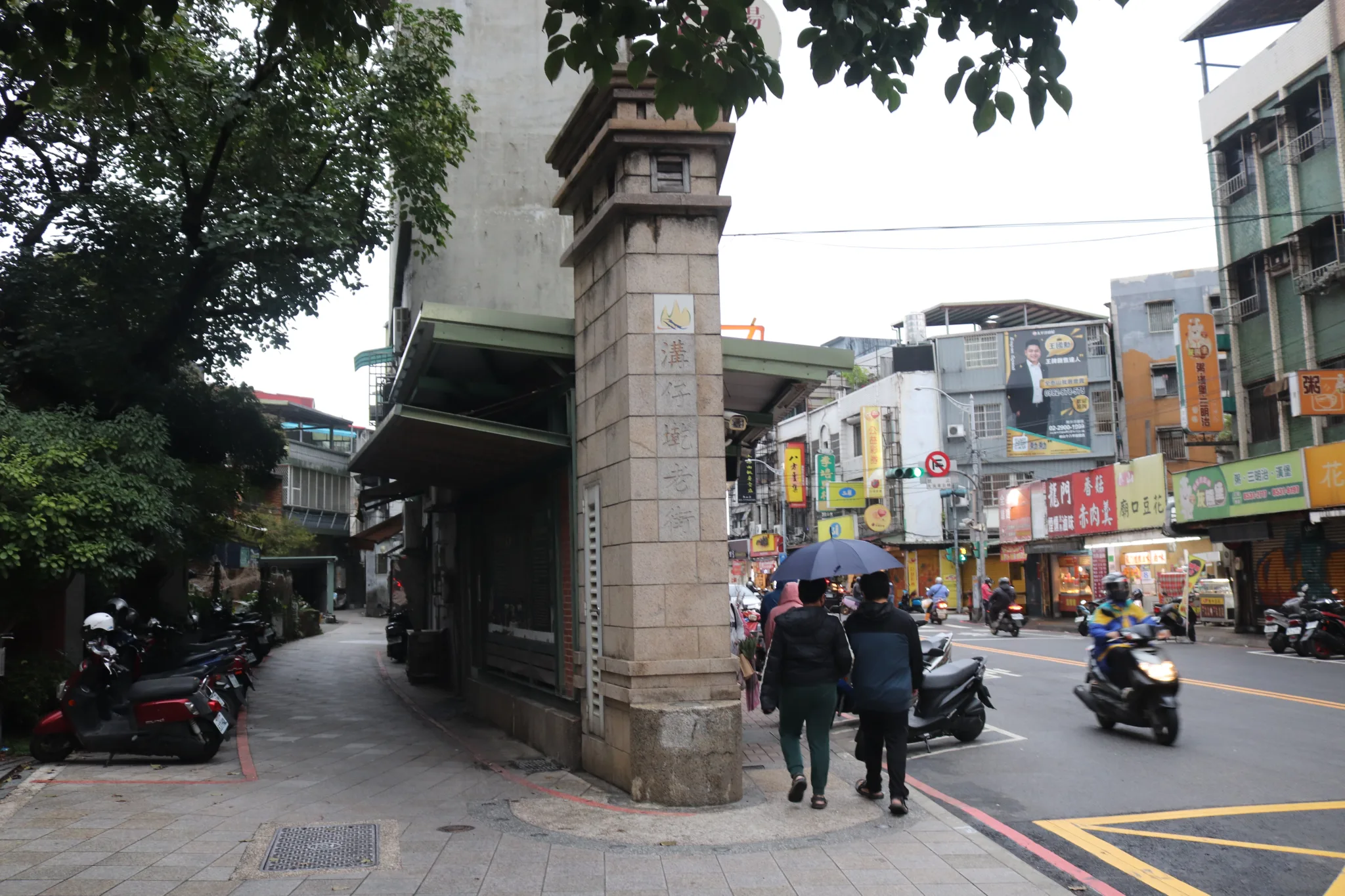
If you have time, you can also check out Taishan Old Street nearby.
Taishan Gouzaiqian Old Street is a small historic area of the Taishan District in New Taipei City. Here you can find old brick buildings, temples, and a century-old well, which were once the heart of a bustling commercial area in their time. This is not a touristy old street, but you can find lots of food options nearby on the main road…(read more)
Check out our Taipei Museum guide here.
Check out our guide to Taipei here.
Check out our full guide to Taiwan here.